
Is It Just a Senior Moment—or Something More?
Not all memory loss is dementia. Learn how to tell the difference between normal age-related forgetfulness and when it may be time to speak with a doctor. Includes checklist and…


Our lives are busy. Most Americans seem to be juggling a family, household chores, working out, eating healthy, full-time employment, and maybe, squeezing in some personal time. Our delicate spinning-plates act can come crashing down when mom suffers a stroke or dad has a bad fall. Adding primary caregiving to your responsibilities may seem almost insurmountable. However, you adjust your schedule, set up a room in your house, and address what needs to be done—often sacrificing your health, finances, and sleep in the process.
Being the primary caregiver for a parent or spouse places a lot of unexpected demands on maxed out caregivers. Caregivers are great at helping but are often the last person who asks for help. Family members and close friends can play a key role in supporting a caregiver. The first step is to offer help in a specific way. Don’t ask, “Do you need anything?” But rather, “I can take mom to her weekly physical therapy appointment and out to lunch every Tuesday.” Committing your time and following through will give the caregiver a much-needed break. Overwhelmed caregivers may not know what they need help with, so offer to help with a date, time, or task. Once they accept your help, they may be willing to ask for help more frequently.
Many siblings or family members, who are not in the same city as you and your loved one, may feel helpless. We suggest that if you can’t give of your time due to location, that perhaps you can help financially. According to a study by AARP, the average family caregiver for a senior spends $5,531 per year on out of pocket expenses. Moreover, if the primary caregiver is employed, they will often reduce their hours or quit to provide full-time care to a loved one. A MetLife study estimates of income-related losses sustained by family caregivers ages 50 and older, who leave the workforce to care for a parent, are $303,880, on average, in lost income and benefits over a caregiver’s lifetime.
Of course, everyone’s financial situation is different. Whatever your means, consider thoughtful ways that you can support a stressed-out caregiver. A gift card for a day at the spa or an hour massage could help melt away tension. Paying for a weekly meal delivery could benefit the entire family to eat healthier and remove the burden of shopping and menu planning. Arrange a time for the caregiver to pick-up prepaid groceries or arrange a grocery delivery. And if you are in the financial position, offer to help or pay for an hourly caregiver to come to their home, a temporary respite stay at an assisted living community, or a portion of the expense of assisted living. Many families are afraid to talk about expenses and how to handle care costs. However, financial assistance may be what a primary caregiver needs help with most.
Although caregiving can be fulfilling, and bring family closer together, it can also take an emotional toll. The caregiver may be riding a rolling tide of emotions between feeling alone, overwhelmed, sad, frustrated, and sometimes, even angry. Also, their parent can be feeling an array of emotions. They may be caring for a loved one whose health is in decline, or they may be in denial to protect themselves from the pain. Often the parent/child role has reversed—this strange, new dynamic shouldn’t be underestimated. Caregiving is not always a comfortable situation.
To help an emotionally taxed caregiver, we suggest that you create a safe place and an opportunity for them to vent, rant, cry, and take a deep breath. Give them uninterrupted time on the phone or take them on a walk and listen to their concerns. They need to share and work through their mix of emotions. Lending an ear may be all they need to release their frustration. Be kind to them and offer them your time to talk about how they feel, without judgment.
Watch for signs of depression or anxiety in the caregiver. A grueling schedule and a swarm of demands can lead to negative feelings. They may also be neglecting their health—skipping personal medical appointments, not exercising, eating fast food out of convenience, and experiencing high levels of stress. This emotional toll may not only affect the caregiver but all who live in the household. Perhaps you can offer to temporarily stay to watch your parent while your sibling takes a family vacation or arrange for respite care for them to get a break. Caregiver burnout is a concern. Every caregiver needs time for themselves to reconnect and recharge. Reassure your family caregiver it’s not selfish, but necessary for them to focus on their health too.
At Aegis Living, we offer temporary care for families who need someone to care for their loved one on a short-term basis. Your loved one will enjoy all the activities, amenities, and cuisine that the community offers while staying in a private, furnished apartment. Our Aegis Living care staff are experts in memory care, making our program a great option if your parent has Alzheimer’s’ or another form of dementia. Your family will have the peace of mind knowing they are in expert hands. Contact a community near you today to find out more about our respite care program.

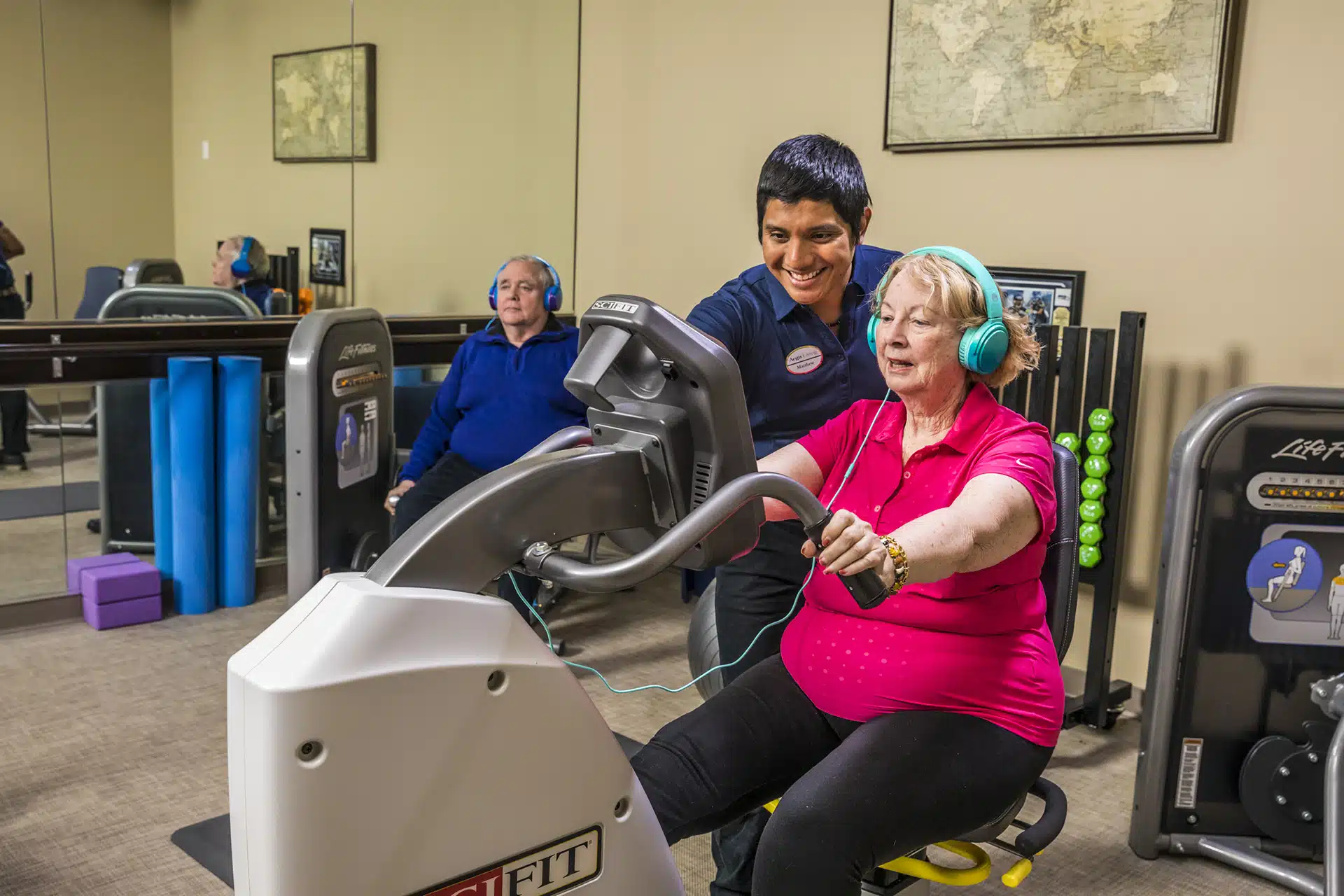



Respite Stays & Day Stays give family caregivers a real break—hours, days, or a few weeks—while your loved one enjoys a safe, enriching short‑term home at Aegis Living. Guests settle into a beautifully furnished private apartment and have 24/7 care staff and onsite nurses, medication management, and discreet safety technology (motion sensors, medical‑alert pendants, visitor check‑in) for peace of mind. Each day feels purposeful with chef‑prepared, all‑day dining and 200+ monthly activities—from book clubs and fitness classes to movie nights—plus full use of the community. We coordinate with your loved one’s physicians to mirror their routines and care, so the stay feels familiar. It’s also a smart trial run for senior living: meet neighbors, test services, and see what supported independence looks like—without a long‑term commitment. Choose a Respite Stay when you’re traveling or need time to recharge, when your loved one would benefit from structure, social connection, and great meals, or when you both want peace of mind while keeping options open.
Hospice & End‑of‑Life Care at Aegis Living is comfort‑first support for the final stage of life, delivered in your loved one’s private apartment by our 24/7 care team in coordination with a trusted local hospice provider you choose (or we can recommend). Together, we create a coordinated care plan that manages pain and other symptoms, oversees medications, and provides calm, dignified help with daily needs, while offering compassionate emotional support for both resident and family. Discreet safety measures and a reliable medical‑alert system bring help quickly; chef‑prepared, in‑apartment meals adapt to changing appetites. Families are guided through decisions and moments of closure so they can focus on being present in a peaceful, home‑like setting. If your loved one already lives at Aegis, they can remain in the comfort of their home, avoiding disruptive moves. Choose this level of care when curative treatment is no longer the goal and you want expert symptom control, hands‑on daily support, and a setting that protects dignity and prioritizes comfort, meaning, and time together.
Memory Care is specialized, secure support for people living with Alzheimer’s or other dementias who benefit from a calm, structured environment and round‑the‑clock expertise. At Aegis Living, that care happens in Life’s Neighborhood—an intimate, thoughtfully designed setting where 24/7 dementia‑trained caregivers and a nursing team on site seven days a week deliver personalized help with daily living, medication management, and mobility (including Hoyer lifts and two‑person transfers), while gently redirecting agitation and confusion. Days are purpose‑filled with science‑based cognitive programming, certified music therapy, and social activities; chef‑prepared meals are easy to enjoy and dining spaces and cues are designed for memory support. Discreet safety features like secured entrances, emergency pendants with fall detection, and optional motion sensors, prevent wandering and bring peace of mind, and visiting physicians and wellness professionals reduce trips off‑site. Families receive education and ongoing support. If your loved one is unsafe alone, missing medications, wandering, needs frequent cueing or hands‑on help with bathing or dressing, or thrives with a predictable routine, Memory Care offers the right level of care. For milder needs, our transitional Assisted Living can be a first step; for advancing symptoms, secured Memory Care provides the specialized, heartfelt support to help them feel calm, connected, and at home.