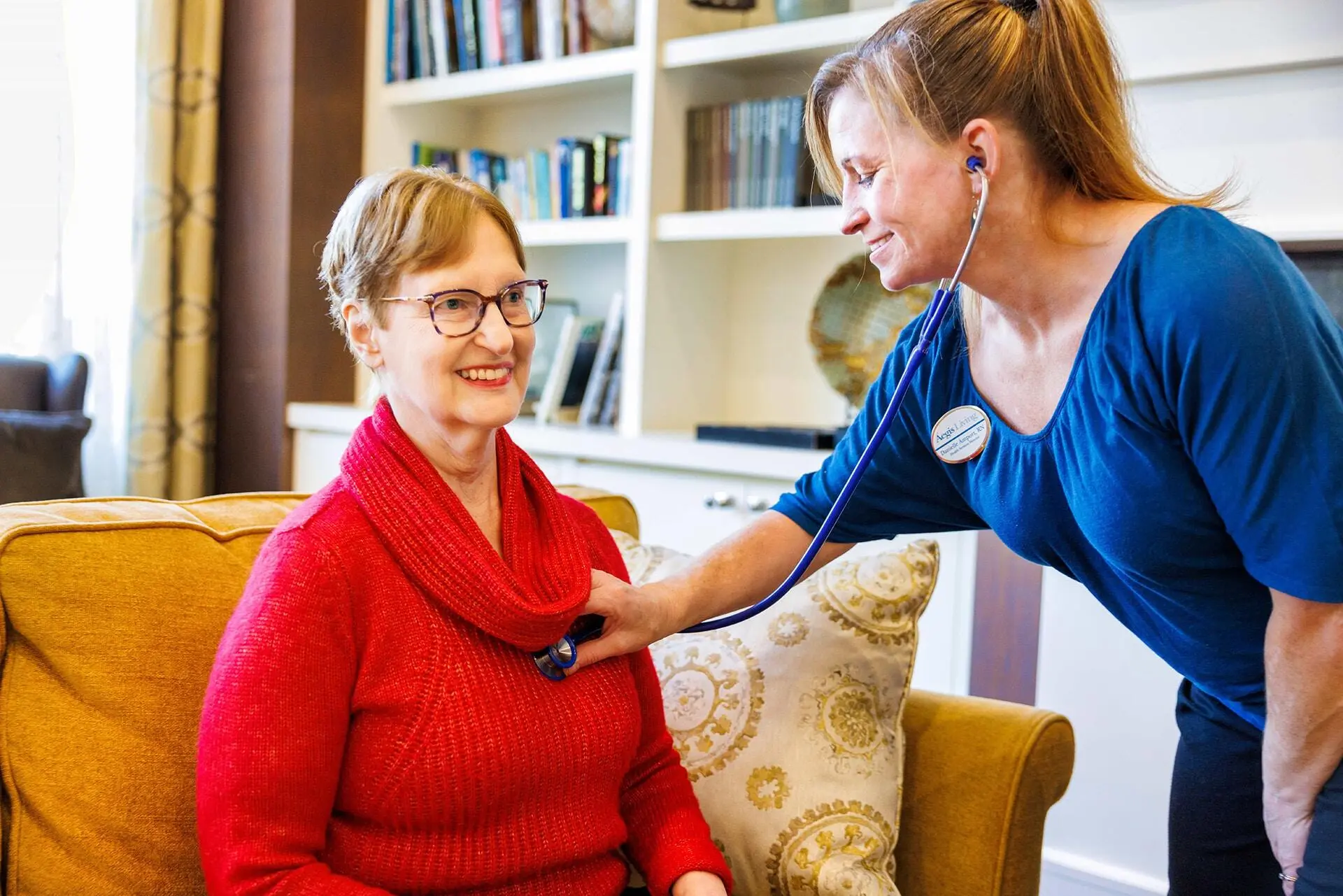
Beyond the Diagnosis: How Medications Can Help with Dementia Care
Learn how medications can support dementia care when non-drug therapies aren’t enough. Explore options, benefits, risks, and coordinated care approaches.


It can be troubling for a caregiver to watch their loved one with dementia walk aimlessly. They may walk around the house repeatedly or wander off day or night from the house. Because of their memory loss, they may think that they need to get to work when they have long since stopped working. They may ask to go “home” when they are home, but in a different house. Or they may be fixated to see someone, sometimes a deceased spouse, and leave the house to go find them.
People living with Alzheimer’s and other forms of dementia can be disoriented and easily become lost and unable to find their way back home. Dementia wandering can cause caregivers to be anxious and concerned about the safety of their loved one. It is important to find solutions to wandering that keep them safe and still maintain their dignity.
Motion detectors can be a great way to notify you, so your loved one does not leave the house through an outer door. A low tech solution is to hang bells from the door handles throughout the house so you know where they are or where they are heading within the home.
If you have a garden, secure it with a fence and difficult to reach locks so that your loved one can enjoy exercise and fresh air outside. A circular path with points of interest like bird feeders, flowers, a water feature, or a bench can help make their time outside more enjoyable.
Reassure your loved one if they feel lost, agitated or abandoned. Refrain from correcting them but try to redirect their focus. Check to make sure that their basic needs are met: are they thirsty? hungry? or need to use the bathroom? Sometimes these simple needs can trigger anxiety and a need to wander.
If they are determined to leave, have them dress appropriately for the temperature. Make sure they have on shoes. Take an umbrella, hat, gloves or sunglasses depending on the weather. Accompany them, reassure them, and direct their attention, so you can bring them back safely. A stroll around the block may be enough to divert their attention.
Make sure your loved one has proper identification on them at all times. Sew their name and a contact phone number into their jackets or handbags. Medical identification, like a bracelet or pendant, are helpful and less likely to be removed. Consider dressing your loved one in bright outwear that is easy to spot in a crowd.
Location and elderly GPS tracking devices may help you find them quickly if lost. These are becoming more frequent options for families and caregivers. Some devices can be worn around the wrist, ankle or even a tennis shoe. There are short-range options designed so the caregiver can monitor a person themselves. Some sound an alarm when the bracelet and base unit get too far away. Other services charge a monthly fee and can pinpoint your loved ones location. You can even use your cell phone to track the location of a loved one.
These devices are useful but you still need to be vigilant. They can be removed, left behind, lost, or fail. Look for local services in your area for the best solution.
Notify your neighbors and local shops that your loved one has dementia. They can act like a second set of eyes in your local neighborhood.
To ease your anxiety, make a crisis plan. Have an updated list of contacts and phone numbers to quickly notify friends, family, and neighbors if a loved one goes missing. Write a list of possible places that your loved one might wander to – former employer, previous house, family, friend’s houses, place of worship, or a favorite restaurant.
If a loved one does wander off alone, call 911 immediately. Have a recent, close-up photograph and up-to-date medical information to provide to the police when they arrive.
Wandering is a big concern for many caregivers. If your loved one cannot stay safely within your home, it may be time to consider moving them to a memory care community that can care for their unique needs.
Aegis Living had created innovative memory care communities that engage and stimulate memories for our residents in a secured environment. If you are fearful that your loved one may wander off, contact one of our memory care communities. We are happy to give you a tour of our innovative memory care features focused on safety and living a fulfilling life.





Respite Stays & Day Stays give family caregivers a real break—hours, days, or a few weeks—while your loved one enjoys a safe, enriching short‑term home at Aegis Living. Guests settle into a beautifully furnished private apartment and have 24/7 care staff and onsite nurses, medication management, and discreet safety technology (motion sensors, medical‑alert pendants, visitor check‑in) for peace of mind. Each day feels purposeful with chef‑prepared, all‑day dining and 200+ monthly activities—from book clubs and fitness classes to movie nights—plus full use of the community. We coordinate with your loved one’s physicians to mirror their routines and care, so the stay feels familiar. It’s also a smart trial run for senior living: meet neighbors, test services, and see what supported independence looks like—without a long‑term commitment. Choose a Respite Stay when you’re traveling or need time to recharge, when your loved one would benefit from structure, social connection, and great meals, or when you both want peace of mind while keeping options open.
Hospice & End‑of‑Life Care at Aegis Living is comfort‑first support for the final stage of life, delivered in your loved one’s private apartment by our 24/7 care team in coordination with a trusted local hospice provider you choose (or we can recommend). Together, we create a coordinated care plan that manages pain and other symptoms, oversees medications, and provides calm, dignified help with daily needs, while offering compassionate emotional support for both resident and family. Discreet safety measures and a reliable medical‑alert system bring help quickly; chef‑prepared, in‑apartment meals adapt to changing appetites. Families are guided through decisions and moments of closure so they can focus on being present in a peaceful, home‑like setting. If your loved one already lives at Aegis, they can remain in the comfort of their home, avoiding disruptive moves. Choose this level of care when curative treatment is no longer the goal and you want expert symptom control, hands‑on daily support, and a setting that protects dignity and prioritizes comfort, meaning, and time together.
Memory Care is specialized, secure support for people living with Alzheimer’s or other dementias who benefit from a calm, structured environment and round‑the‑clock expertise. At Aegis Living, that care happens in Life’s Neighborhood—an intimate, thoughtfully designed setting where 24/7 dementia‑trained caregivers and a nursing team on site seven days a week deliver personalized help with daily living, medication management, and mobility (including Hoyer lifts and two‑person transfers), while gently redirecting agitation and confusion. Days are purpose‑filled with science‑based cognitive programming, certified music therapy, and social activities; chef‑prepared meals are easy to enjoy and dining spaces and cues are designed for memory support. Discreet safety features like secured entrances, emergency pendants with fall detection, and optional motion sensors, prevent wandering and bring peace of mind, and visiting physicians and wellness professionals reduce trips off‑site. Families receive education and ongoing support. If your loved one is unsafe alone, missing medications, wandering, needs frequent cueing or hands‑on help with bathing or dressing, or thrives with a predictable routine, Memory Care offers the right level of care. For milder needs, our transitional Assisted Living can be a first step; for advancing symptoms, secured Memory Care provides the specialized, heartfelt support to help them feel calm, connected, and at home.