Beyond the Diagnosis: How Medications Can Help with Dementia Care
Learn how medications can support dementia care when non-drug therapies aren’t enough. Explore options, benefits, risks, and coordinated care approaches.


One of the many things that a new parent prepares for, before the arrival of their bouncing baby, is selecting a pediatrician–a doctor who specializes in the physical, behavioral, and mental health of a growing child. They are particularly knowledgeable in the symptoms and treatment of childhood diseases. Just as a parent brings their child to an expert pediatrician, an adult child should bring their aging parent to an expert geriatrician. Geriatricians focus on senior health, disabilities, and diseases related to aging. Your aging loved one can greatly benefit from the experts in geriatric medicine.
As adults, most of us seek the care of a general practitioner. A general practitioner is a doctor who treats a wide range of medical problems for all ages. But a geriatrician specializes in the care of older adults. They are trained in family practice or internal medicine but have additional training in the care of older patients. They understand the impact of a disability on independence and are experts in illnesses associated with age. They can address health concerns, such as the struggle with frailty, incontinence, frequent falls, memory loss, and the side effects of medication.
Geriatric practitioners can distinguish between disease and the effects of normal aging. Older patients present symptoms differently. They absorb medications more slowly and often respond differently to normal protocols. Multiple chronic conditions can overlap in older individuals. Geriatricians are trained to identify and manage these differences.
Most elderly patients require more regular visits and a higher level of care. A key skill is being able to properly assess and prioritize the issues in an older patient. Here are some of the complex issues that geriatric practitioners manage:
The biggest difference between a general practitioner and a geriatrician is their philosophy and approach to managing an elderly patient’s care. Geriatricians practice a “whole person” approach. They consider the psychological, social, and spiritual dimensions of an individual, along with the functional, physical and environmental assessment. Independence, function, and quality of life are a great concern to an older patient and of equal concern for their geriatric physician.
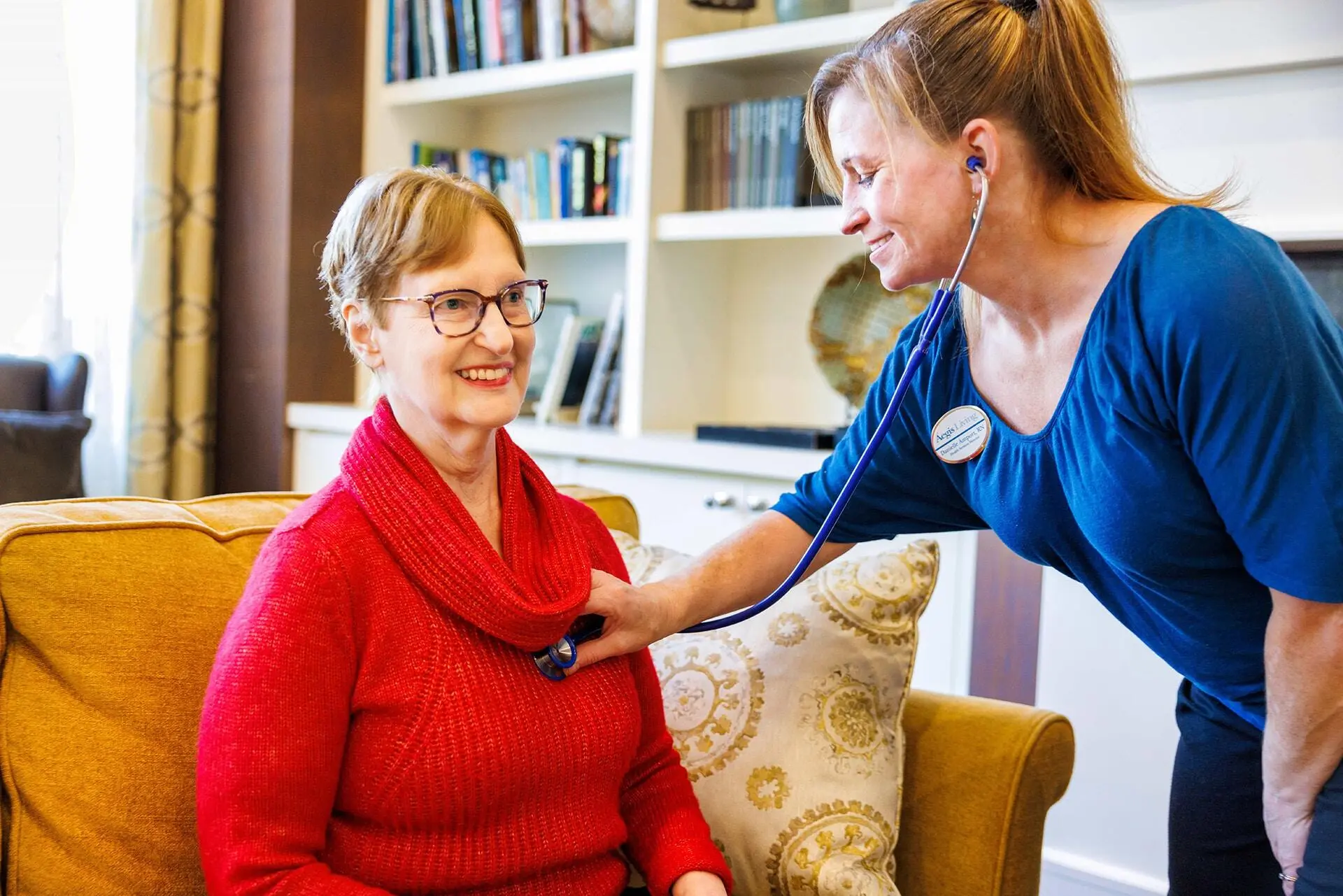
At Aegis Living, we understand the impact that specialized care can have on a resident. We have partnered with the University of California San Francisco to provide primary and palliative care to our residents through regularly scheduled appointments within our communities. The benefits and convenience of utilizing an in-house medical care provider allows our residents to receive compassionate medical care within the comfort of their apartment.





Respite Stays & Day Stays give family caregivers a real break—hours, days, or a few weeks—while your loved one enjoys a safe, enriching short‑term home at Aegis Living. Guests settle into a beautifully furnished private apartment and have 24/7 care staff and onsite nurses, medication management, and discreet safety technology (motion sensors, medical‑alert pendants, visitor check‑in) for peace of mind. Each day feels purposeful with chef‑prepared, all‑day dining and 200+ monthly activities—from book clubs and fitness classes to movie nights—plus full use of the community. We coordinate with your loved one’s physicians to mirror their routines and care, so the stay feels familiar. It’s also a smart trial run for senior living: meet neighbors, test services, and see what supported independence looks like—without a long‑term commitment. Choose a Respite Stay when you’re traveling or need time to recharge, when your loved one would benefit from structure, social connection, and great meals, or when you both want peace of mind while keeping options open.
Hospice & End‑of‑Life Care at Aegis Living is comfort‑first support for the final stage of life, delivered in your loved one’s private apartment by our 24/7 care team in coordination with a trusted local hospice provider you choose (or we can recommend). Together, we create a coordinated care plan that manages pain and other symptoms, oversees medications, and provides calm, dignified help with daily needs, while offering compassionate emotional support for both resident and family. Discreet safety measures and a reliable medical‑alert system bring help quickly; chef‑prepared, in‑apartment meals adapt to changing appetites. Families are guided through decisions and moments of closure so they can focus on being present in a peaceful, home‑like setting. If your loved one already lives at Aegis, they can remain in the comfort of their home, avoiding disruptive moves. Choose this level of care when curative treatment is no longer the goal and you want expert symptom control, hands‑on daily support, and a setting that protects dignity and prioritizes comfort, meaning, and time together.
Memory Care is specialized, secure support for people living with Alzheimer’s or other dementias who benefit from a calm, structured environment and round‑the‑clock expertise. At Aegis Living, that care happens in Life’s Neighborhood—an intimate, thoughtfully designed setting where 24/7 dementia‑trained caregivers and a nursing team on site seven days a week deliver personalized help with daily living, medication management, and mobility (including Hoyer lifts and two‑person transfers), while gently redirecting agitation and confusion. Days are purpose‑filled with science‑based cognitive programming, certified music therapy, and social activities; chef‑prepared meals are easy to enjoy and dining spaces and cues are designed for memory support. Discreet safety features like secured entrances, emergency pendants with fall detection, and optional motion sensors, prevent wandering and bring peace of mind, and visiting physicians and wellness professionals reduce trips off‑site. Families receive education and ongoing support. If your loved one is unsafe alone, missing medications, wandering, needs frequent cueing or hands‑on help with bathing or dressing, or thrives with a predictable routine, Memory Care offers the right level of care. For milder needs, our transitional Assisted Living can be a first step; for advancing symptoms, secured Memory Care provides the specialized, heartfelt support to help them feel calm, connected, and at home.