
Meaningful Care Without Medication: Holistic Approaches to Dementia
Learn how therapies like music, movement, reminiscence, and cognitive stimulation can help manage dementia symptoms and improve daily life—no prescription required.


My mom has begun to slow down. She can no longer drive a car, and simple tasks seem to wear her out quickly. She has been losing weight because I don’t think she is eating enough or cooking for herself. I try to visit her and bring her groceries, but with a full-time job and a growing family, there are not enough hours in the day. I worry about her all the time.
This is a common scenario for many families who don’t know where to turn for help. If your senior parent can no longer live on their own, what are your options? How much or how little care does an assisted living community offer? And if your mom is showing signs of dementia, can they handle someone with Alzheimer’s or memory loss? These are often common questions, and we can help explain the type of care your parent or spouse can find in an assisted living or memory care community.
What kind of care does an assisted living community provide?
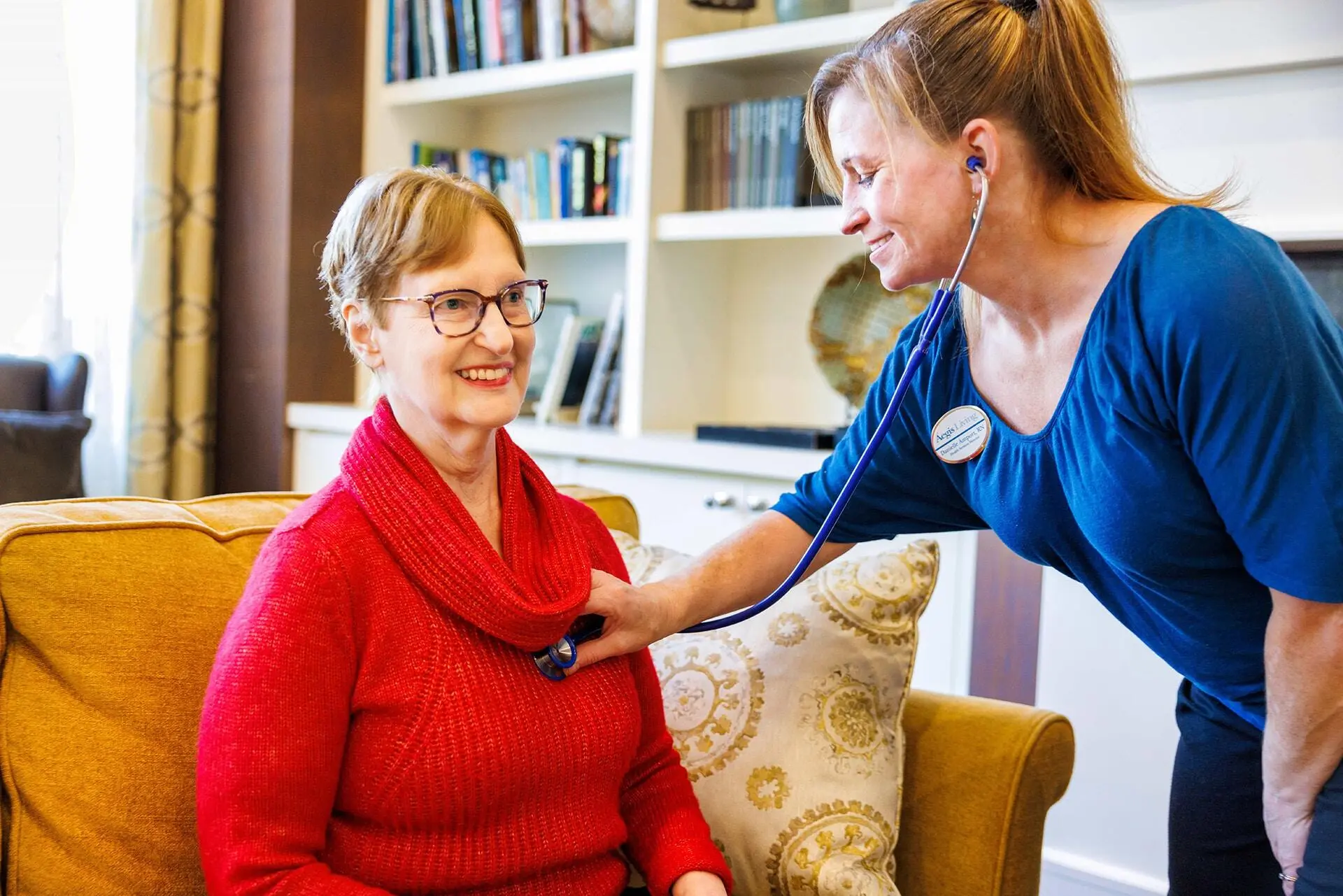
Assisted living is a long-term care solution if your parent needs assistance and is no longer safe or healthy living on their own. An assisted living community provides around-the-clock care services by trained caregivers in a home-like environment. The care staff can assist the resident with ADLs (activities of daily living) like dressing, toileting, personal hygiene, bathing, eating, and transferring. Most assisted living communities employ an on-staff nurse who oversees the medical care plans of each resident and assists with changes in care. They work with the care staff who typically are not RN’s but are trained to administer medications and fulfill the daily care needs of the residents. Besides basic rent, residents pay for the care that they need or as their needs increase.
Besides getting expert care and support, assisted living communities are built on a social model. Residents are encouraged to engage and interact with their neighbors and staff members throughout the day. The community offers a variety of entertainment options, daily activities, exercise classes, excursions, and events to promote friendships and comradery. In our Aegis Living communities, we have a staff of Life Enrichment directors who schedule a full calendar of rotating activities based on the interests, hobbies, and make-up of the residents within each community.
Residents in an assisted living community often live in a private apartment. But most residents will spend their waking hours in the communal areas, like the living room or coffee nook, with their new neighbors and friends. An assisted living community will handle everyday chores like cooking three meals per day, providing snacks and beverages throughout the day, and including house cleaning, laundry, and transportation to appointments.
As your parent’s needs progress with age, illness, or frailty, our care staff can assist them with more care and support. We understand that their needs will change and we can adapt to meet those changing needs. Our goal is to keep them as comfortable and healthy as possible, while giving them the opportunity to continue living a vibrant life. If they require around-the-clock medical attention and monitoring, they may need to move to a hospital or skilled nursing facility until their condition improves.
Transitional Care Option
A transitional care option provides a gradual transition and progressive assistance for those with early-to-mild memory loss. Not all assisted living communities offer a formal transitional care program, or they may be created a little different from each other.
This intermediate program may offer smaller group activities that are less challenging, yet still stimulate and maintain brain activity. They may provide an environment of close interaction and constant supervision from a staff member. They should also encourage participation and socializing to avoid isolation. Residents in transitional care benefit from the extensive memory care training that staff complete.
Transitional Care may provide:
The goal of transitional care is to allow residents to cope more successfully with their Alzheimer’s or dementia and to maintain their independent lifestyle for as long as possible. A successful transitional care program should strive to slow the symptoms of memory loss with a structured environment that socially engages our residents, reduces their anxiety, and increases their self-esteem.
A transitional care program enables residents to cope more successfully with their challenges and to maintain their assisted living lifestyle for as long as possible.
How are residents cared for in a memory care community?
Although some assisted living communities offer memory care wings within their facility or on their campus, these are distinct care options for a parent with Alzheimer’s or another form of dementia. Memory care communities can meet the specific needs of residents who have memory loss, and the challenges and behaviors that can accompany those issues. Either as part of an assisted living building or a stand-alone community, a memory care community will provide personalized care to meet the resident wherever they are in the progression of their memory loss. Also, activities, meals, and décor cater to the unique care needs of people living with memory loss.
These secured facilities offer 24-hour care by trained caregivers who assist the residents. Apartments are modified to meet their needs and keep them safe. Most communities provide additional security measures such as locked exterior doors, motion sensors, emergency call buttons, and camouflaged exits for those who try to wander. The goal is to offer a safe environment that is calm, healthy, and comfortable while encouraging the resident to be as independent as they can throughout the day.
What is short-term care?
Most assisted living communities offer short-term care as an option for your senior parent or spouse. It allows them to stay in an assisted living community for a short period of time while you travel or take a break from caregiving to care for yourself. Your parent will be cared for by trained professionals who can assist them with 24/7 care, including medication management and help with the tasks of daily living.
In short-term care, your parent will be part of the community and able to participate in activities and engage with residents. They will be able to dine with other residents for three meals per day. They can relish in all the amenities including attending activities, participating in exercise classes, go to the movies, use the beauty salon, or utilize transportation to an appointment, to name a few. They can enjoy their own staycation while you enjoy a vacation. It is also an excellent option for a parent to try living in an assisted living community and ease their transition into being a full-time resident.
Overall, an assisted living community is an excellent option for your parent if they need more assistance due to frailty, immobility, or age. It is not suited for a parent who needs a high level of medical care that requires 24-hour availability to medical personnel. Any qualified assisted living community will know their care limitations and should be able to guide you to a better option. And consult with your parent’s physician if you have any concerns about their living situation.
Visit any one of our Aegis Living communities to get a tour and see the levels of care we provide to our parent. Everyone is unique and meeting in person is the best way to assess how we can help.




Respite Stays & Day Stays give family caregivers a real break—hours, days, or a few weeks—while your loved one enjoys a safe, enriching short‑term home at Aegis Living. Guests settle into a beautifully furnished private apartment and have 24/7 care staff and onsite nurses, medication management, and discreet safety technology (motion sensors, medical‑alert pendants, visitor check‑in) for peace of mind. Each day feels purposeful with chef‑prepared, all‑day dining and 200+ monthly activities—from book clubs and fitness classes to movie nights—plus full use of the community. We coordinate with your loved one’s physicians to mirror their routines and care, so the stay feels familiar. It’s also a smart trial run for senior living: meet neighbors, test services, and see what supported independence looks like—without a long‑term commitment. Choose a Respite Stay when you’re traveling or need time to recharge, when your loved one would benefit from structure, social connection, and great meals, or when you both want peace of mind while keeping options open.
Hospice & End‑of‑Life Care at Aegis Living is comfort‑first support for the final stage of life, delivered in your loved one’s private apartment by our 24/7 care team in coordination with a trusted local hospice provider you choose (or we can recommend). Together, we create a coordinated care plan that manages pain and other symptoms, oversees medications, and provides calm, dignified help with daily needs, while offering compassionate emotional support for both resident and family. Discreet safety measures and a reliable medical‑alert system bring help quickly; chef‑prepared, in‑apartment meals adapt to changing appetites. Families are guided through decisions and moments of closure so they can focus on being present in a peaceful, home‑like setting. If your loved one already lives at Aegis, they can remain in the comfort of their home, avoiding disruptive moves. Choose this level of care when curative treatment is no longer the goal and you want expert symptom control, hands‑on daily support, and a setting that protects dignity and prioritizes comfort, meaning, and time together.
Memory Care is specialized, secure support for people living with Alzheimer’s or other dementias who benefit from a calm, structured environment and round‑the‑clock expertise. At Aegis Living, that care happens in Life’s Neighborhood—an intimate, thoughtfully designed setting where 24/7 dementia‑trained caregivers and a nursing team on site seven days a week deliver personalized help with daily living, medication management, and mobility (including Hoyer lifts and two‑person transfers), while gently redirecting agitation and confusion. Days are purpose‑filled with science‑based cognitive programming, certified music therapy, and social activities; chef‑prepared meals are easy to enjoy and dining spaces and cues are designed for memory support. Discreet safety features like secured entrances, emergency pendants with fall detection, and optional motion sensors, prevent wandering and bring peace of mind, and visiting physicians and wellness professionals reduce trips off‑site. Families receive education and ongoing support. If your loved one is unsafe alone, missing medications, wandering, needs frequent cueing or hands‑on help with bathing or dressing, or thrives with a predictable routine, Memory Care offers the right level of care. For milder needs, our transitional Assisted Living can be a first step; for advancing symptoms, secured Memory Care provides the specialized, heartfelt support to help them feel calm, connected, and at home.