Understanding Alzheimer’s: Signs, Progression, and Comfort Through Care
Learn what Alzheimer’s disease is, how it differs from other forms of dementia, what symptoms to watch for, and how treatments and supportive care can help at every stage.


Dementia can be a cruel thief, stealing short-term memories from your loved ones. They may forget to eat or drink during the day. They may no longer be able to recognize their home or apartment. And cruelest, they may forget the name of their spouse or children. Where these memories may now be gone, many memories of long past may still be intact. One way to connect with your loved one is to tap into these memories of long ago through their five senses.
Of the five senses, smell has been researched to be the most direct link to memory. The smell of fresh cut grass might remind you of your younger years mowing the neighbor’s lawn or riding bikes with your friends. There are simple ways to spark memories through smell – bake fresh bread or cookies, fold laundry together, take a walk in the rain, dab on their favorite perfume or cologne, or build a campfire to unlock a memory. These warm thoughts and associated emotions can bring great comfort to your loved one, as well as to you and your family members.
We use food to celebrate so many great occasions and milestones in our lives. Make a traditional family meal together and steal bites as you go. Bake a cake and let your loved one lick the frosting spoon, like they did as a child. Or go shopping for some traditional treats like a Twinkie or a favorite ice cream bar. It is not about the food or being a great cook, but it’s about sharing stories and memories that come with the food.
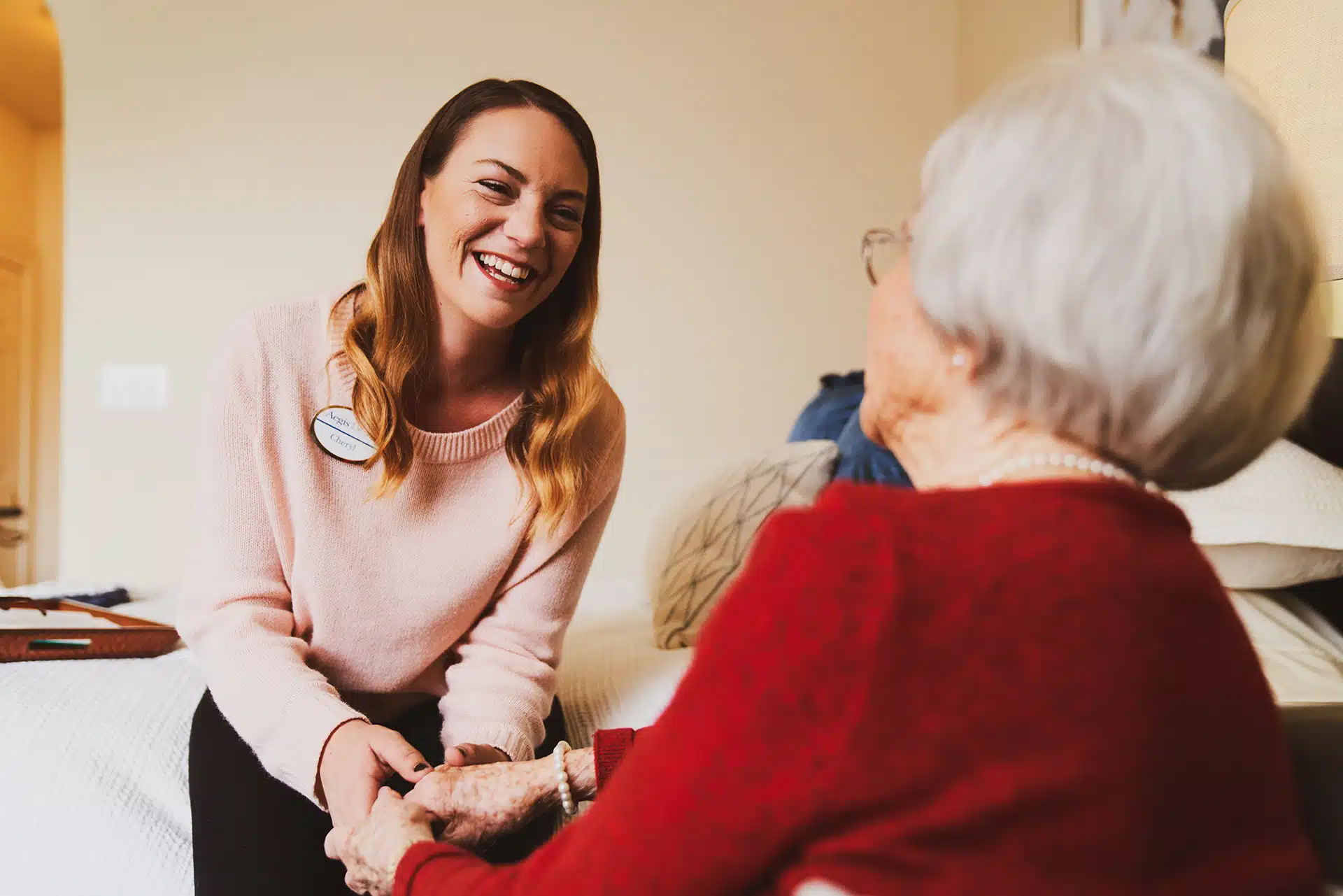
After a loved one’s spouse passes away, they crave holding someone’s hand. They may be less mobile and unable to give a bear hug. But a warm hug, holding their hand, or giving them a massage, may be especially soothing. Try an activity that uses their sense of touch, like kneading bread, cutting out cookies, or weeding the garden. Use this time to chat about their lives as a child or young adult.
Even in the advanced stages of dementia, visual dissimulation can be an easy way to share some time together. Bring in an album of old photographs or home videos. Watch a classic movie together. Try an activity like painting, collecting autumn leaves, knitting, flower arranging, or even clipping coupons. Again, it doesn’t have to be an elaborate event but moments of recognition and sharing of memories.
Do you remember twirling on the dance floor in your prom gown? Or taking your wife’s hand during the first dance at your wedding? Music is a wonderful way to awaken distant memories. Was your loved one a Beatles, Sinatra, or Elvis fan? Playing the favorite tune of someone with dementia can have surprising results. Music can transport them to another place and time of joyful memories.
At Aegis Living, we know how very important these long term memories are to our residents. We have created innovative ways in our memory care communities to connect the 5 senses and memory. For example, at Aegis at Marymoor, we have created a camping memory complete with a vintage car, airstream trailer filled with vintage decor, and campsite in our memory care garden. Residents can make s’mores and re-live the camping trips of their youth. To see one of our unique memory care communities, contact an Aegis Living in your area to take a tour.





Respite Stays & Day Stays give family caregivers a real break—hours, days, or a few weeks—while your loved one enjoys a safe, enriching short‑term home at Aegis Living. Guests settle into a beautifully furnished private apartment and have 24/7 care staff and onsite nurses, medication management, and discreet safety technology (motion sensors, medical‑alert pendants, visitor check‑in) for peace of mind. Each day feels purposeful with chef‑prepared, all‑day dining and 200+ monthly activities—from book clubs and fitness classes to movie nights—plus full use of the community. We coordinate with your loved one’s physicians to mirror their routines and care, so the stay feels familiar. It’s also a smart trial run for senior living: meet neighbors, test services, and see what supported independence looks like—without a long‑term commitment. Choose a Respite Stay when you’re traveling or need time to recharge, when your loved one would benefit from structure, social connection, and great meals, or when you both want peace of mind while keeping options open.
Hospice & End‑of‑Life Care at Aegis Living is comfort‑first support for the final stage of life, delivered in your loved one’s private apartment by our 24/7 care team in coordination with a trusted local hospice provider you choose (or we can recommend). Together, we create a coordinated care plan that manages pain and other symptoms, oversees medications, and provides calm, dignified help with daily needs, while offering compassionate emotional support for both resident and family. Discreet safety measures and a reliable medical‑alert system bring help quickly; chef‑prepared, in‑apartment meals adapt to changing appetites. Families are guided through decisions and moments of closure so they can focus on being present in a peaceful, home‑like setting. If your loved one already lives at Aegis, they can remain in the comfort of their home, avoiding disruptive moves. Choose this level of care when curative treatment is no longer the goal and you want expert symptom control, hands‑on daily support, and a setting that protects dignity and prioritizes comfort, meaning, and time together.
Memory Care is specialized, secure support for people living with Alzheimer’s or other dementias who benefit from a calm, structured environment and round‑the‑clock expertise. At Aegis Living, that care happens in Life’s Neighborhood—an intimate, thoughtfully designed setting where 24/7 dementia‑trained caregivers and a nursing team on site seven days a week deliver personalized help with daily living, medication management, and mobility (including Hoyer lifts and two‑person transfers), while gently redirecting agitation and confusion. Days are purpose‑filled with science‑based cognitive programming, certified music therapy, and social activities; chef‑prepared meals are easy to enjoy and dining spaces and cues are designed for memory support. Discreet safety features like secured entrances, emergency pendants with fall detection, and optional motion sensors, prevent wandering and bring peace of mind, and visiting physicians and wellness professionals reduce trips off‑site. Families receive education and ongoing support. If your loved one is unsafe alone, missing medications, wandering, needs frequent cueing or hands‑on help with bathing or dressing, or thrives with a predictable routine, Memory Care offers the right level of care. For milder needs, our transitional Assisted Living can be a first step; for advancing symptoms, secured Memory Care provides the specialized, heartfelt support to help them feel calm, connected, and at home.