Protecting Your Brain: Lifestyle Changes That May Prevent Dementia
Discover 12 proven strategies to reduce your risk of Alzheimer’s and dementia, from exercise and sleep to social connection and mental health.


As baby boomers gracefully age into retirement and their next phase of life, we want to dispel some of the common myths about aging. Myths that may keep you up at night worrying needlessly. Your age is a number, just candles on a cake. This number doesn’t take into consideration your activity levels, healthy eating, and genetics. These myths are not predictions of your future.
If you have taken precautions throughout your life to live healthy and fit, you can feel free to ignore some of these bothersome myths and continue your healthy lifestyle. And if you may not have been as disciplined as you would have liked, the aging process is as unique as the individual. Let’s take a realistic look at common myths about aging.
As you search for your reading glasses to read this article, I am sure you have noticed your eyesight has changed with age. Weaker vision doesn’t mean that you will go blind in your advanced years. Your best prevention from eye issues is a healthy lifestyle, like avoiding direct sunlight and smoking. Many are surprised that a healthy diet also plays a crucial role in eye health. A diet rich in vitamin C and E, zinc, and omega-3 fatty acids can help prevent cataracts and age-related macular degeneration (AMD). It’s important to visit your optometrist regularly to discuss any changes in your vision, issues in your family history, and what medications you are taking. An eye doctor can be instrumental in helping you to maintain your good eye health and function.
Do you fear that your health is fated by your parents, and the genes passed along to you? Your genetics may be in place, but your health is equally influenced by your lifestyle and healthy choices. If your parents lived a long life, you shouldn’t take this for granted. And if your parents were in poor health, making healthy changes can influence your longevity. Take control of what you can impact—sleep, nutrition, stress levels, exercise, and attitude—to live a longer, healthier life. Your health is not written in the stars but yours to improve upon and maintain.
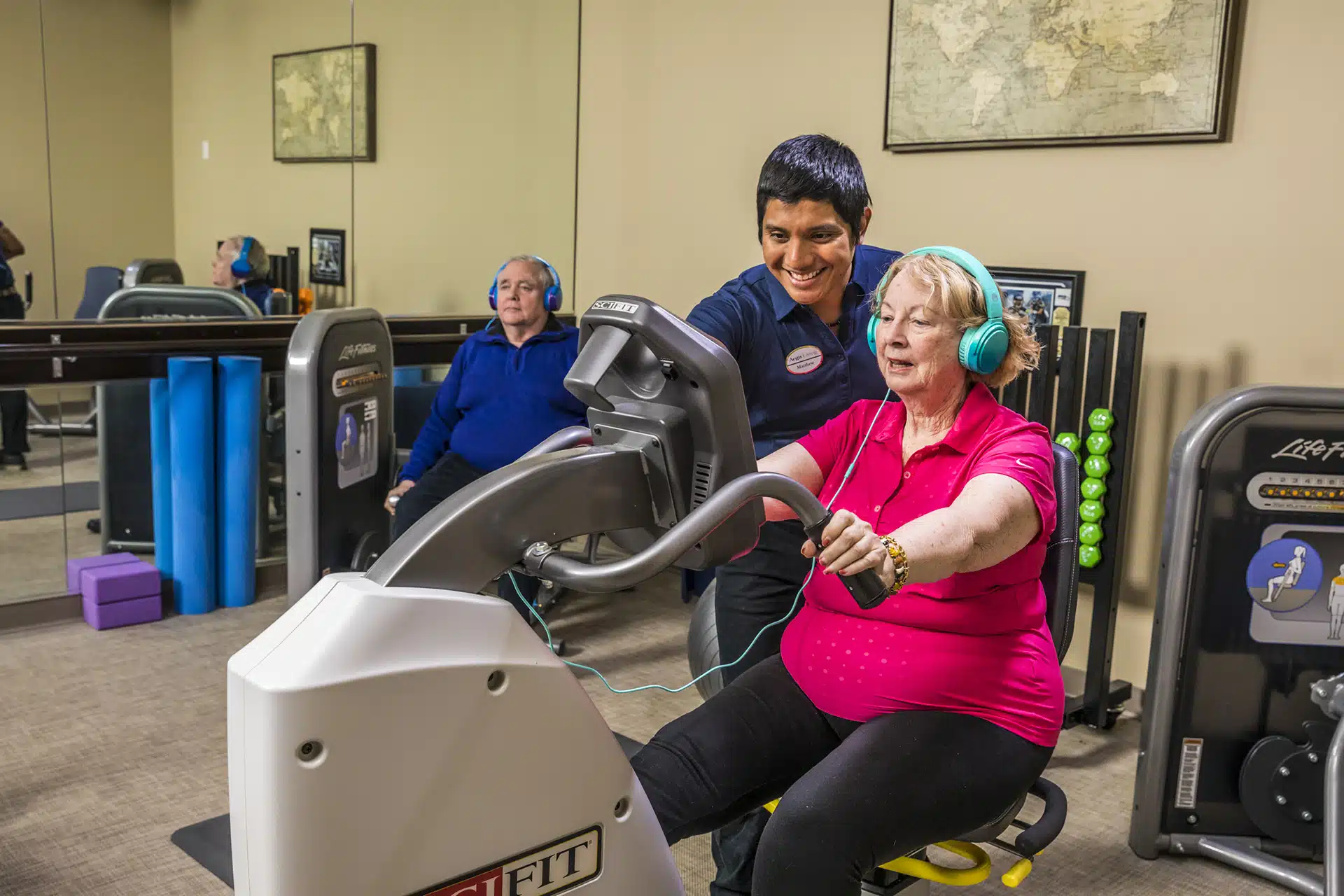
Frailty is not a requirement of old age, but exercise is! Staying active into your golden years will keep you fit. Lifting light weights, walking five times per week, stretching, gardening, and even playing with the grandkids can help you build muscle mass, stay flexible, improve your bone density, and boost your stamina. Before starting any exercise routine, we strongly encourage you to consult your physician. They can help direct you on what is safe for your body and fitness level. A few small active changes can positively impact your strength, stamina, and balance.
You may experience moments of forgetfulness or times when you are unable to recall a person’s name. This is normal. With prevention, some age-related mental decline can be avoided. More scientists are finding vitamin deficiencies can cause the symptoms of senility. Often, these nutrient deficiencies can go undetected for years. And while some seniors may be deficient in a single vitamin, most often they are lacking in multiple vitamins. Even mild vitamin deficiencies in the elderly can cause cognitive impairment and other issues such as poor wound healing, anemia, and propensity to infections. Eating a balanced diet can also help with keeping one mentally sharp and focused. Consult with your doctor before making changes to your diet or increasing your vitamin supplements.
With a less active lifestyle, you will want to be aware of the calories that you consume. This doesn’t mean you can no longer indulge in the foods that you love. But it may mean cutting back or adjusting your eating habits. We suggest you eat throughout the day, so your blood sugar levels don’t drop, which can lead to feeling shaky, weak, or a headache. Focus on making healthy choices and having a balanced diet. Some seniors find their sense of taste and smell will change, or they may experience oral health issues that can affect their ability to chew. If this is the case, we suggest that you consult with your physician or dentist.
The truth is there are unpleasant, cranky younger people in this world too. A bad attitude isn’t reserved for the elderly. You can control your viewpoint on aging, and an optimistic attitude can lead to a better quality of life. But that’s only half of the equation. A good outlook can’t overcome the discomfort of pain, lack of sleep, or feelings of chronic depression, which may make you feel irritable and uncomfortable. Consult with your physician to address your concerns and get to the root of your physical pain. It will be easier to address your outlook when you feel more like yourself again.
If you live alone or have been widowed, isolation can be a real problem for many seniors. You need to be aware of this fact and make an effort to stay socially engaged in your community and with friends and family. If you can’t get to them, invite others to visit you. Participate in activities at the local senior center, your place of worship, or volunteer at a local charity. Staying active and social is good for your health, both physically and mentally. At Aegis Living, we understand the importance of a full social life for our residents. We encourage time together during activities, at meals, and making new friendships. Senior living is an excellent option for seniors to stay engaged with others while receiving assistance with their daily needs.
If you or your parent needs assistance and can no longer live on their own, visit an Aegis Living community near you. Discover what it is like to age gracefully with compassionate care in a welcoming community of new friends. Schedule a tour today and see what we have to offer.

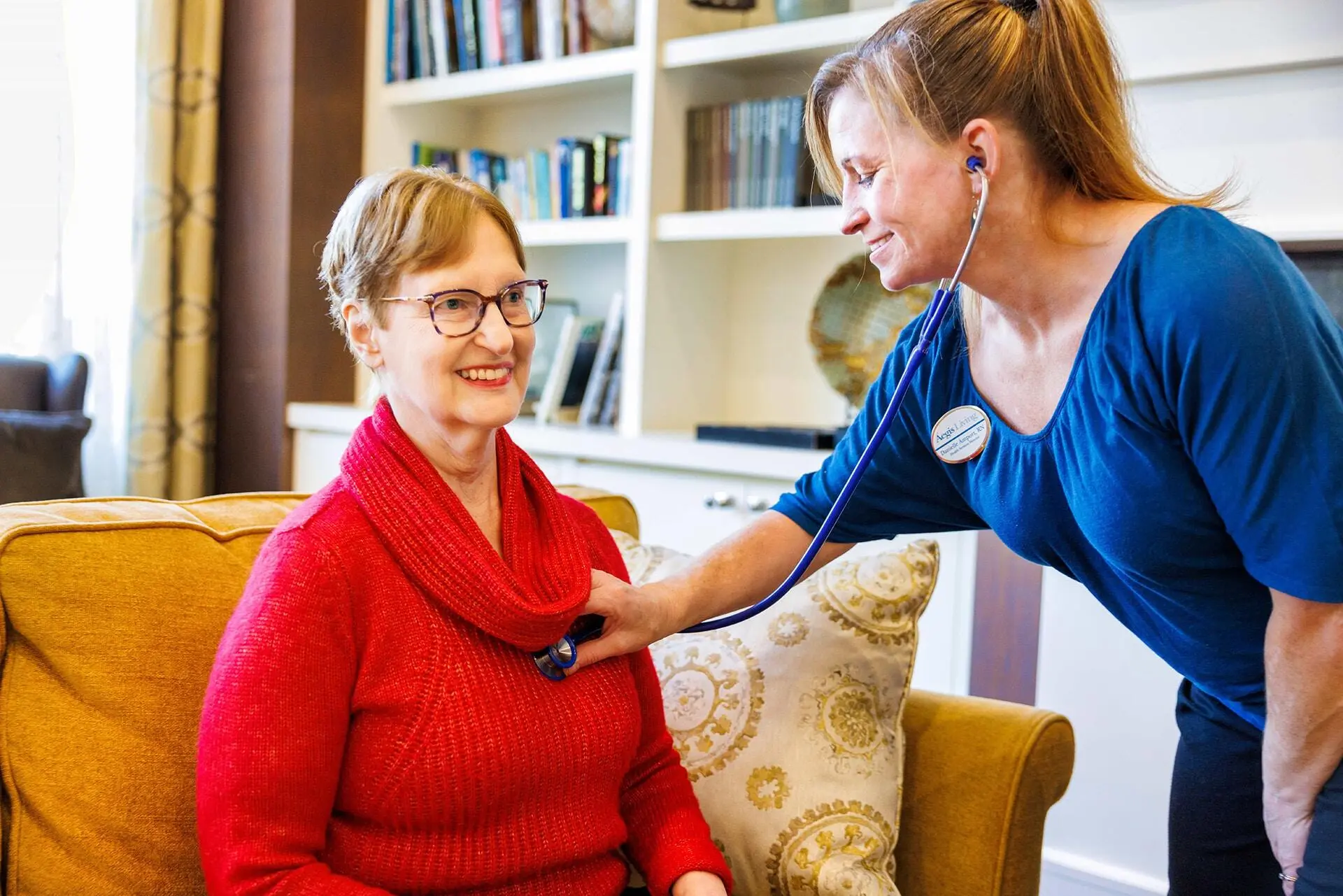

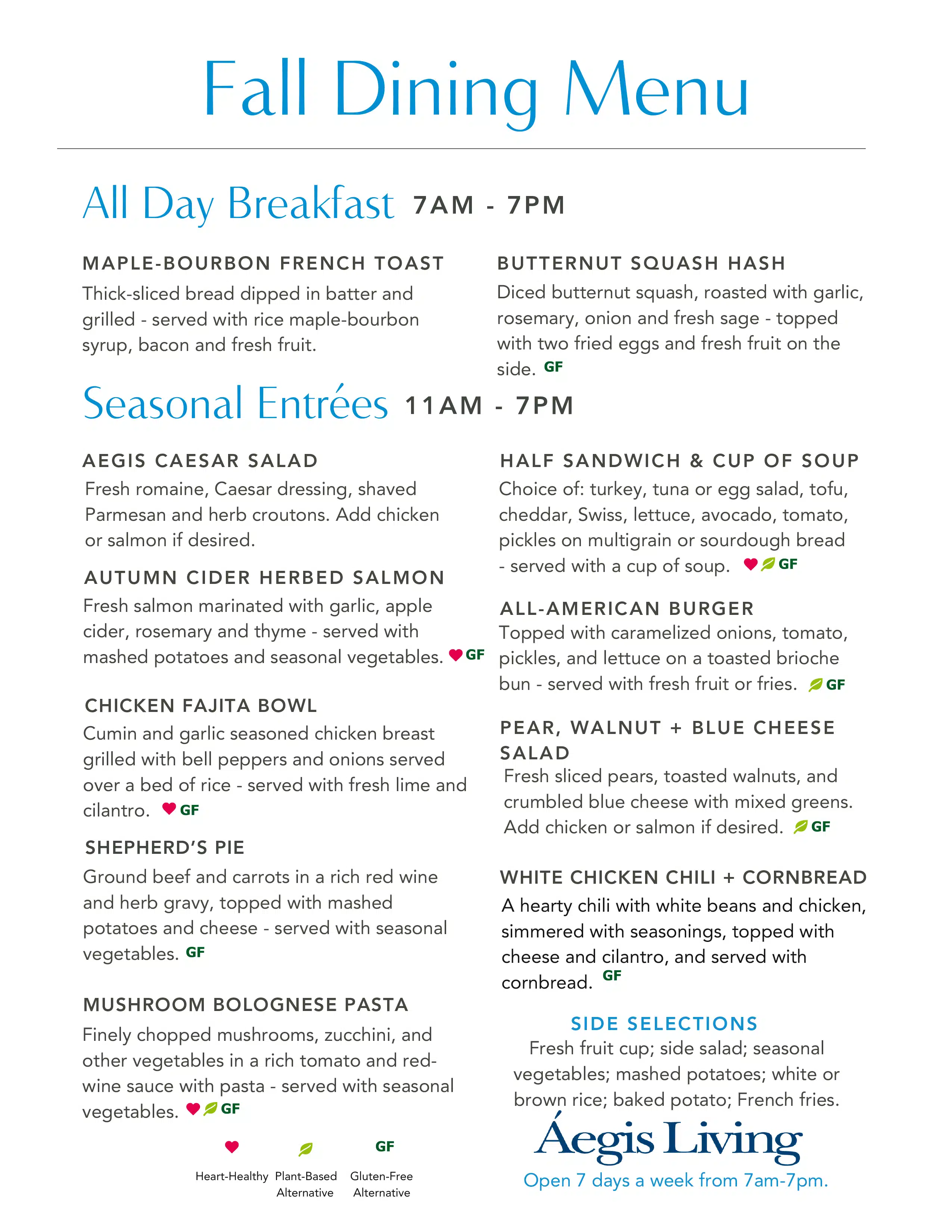
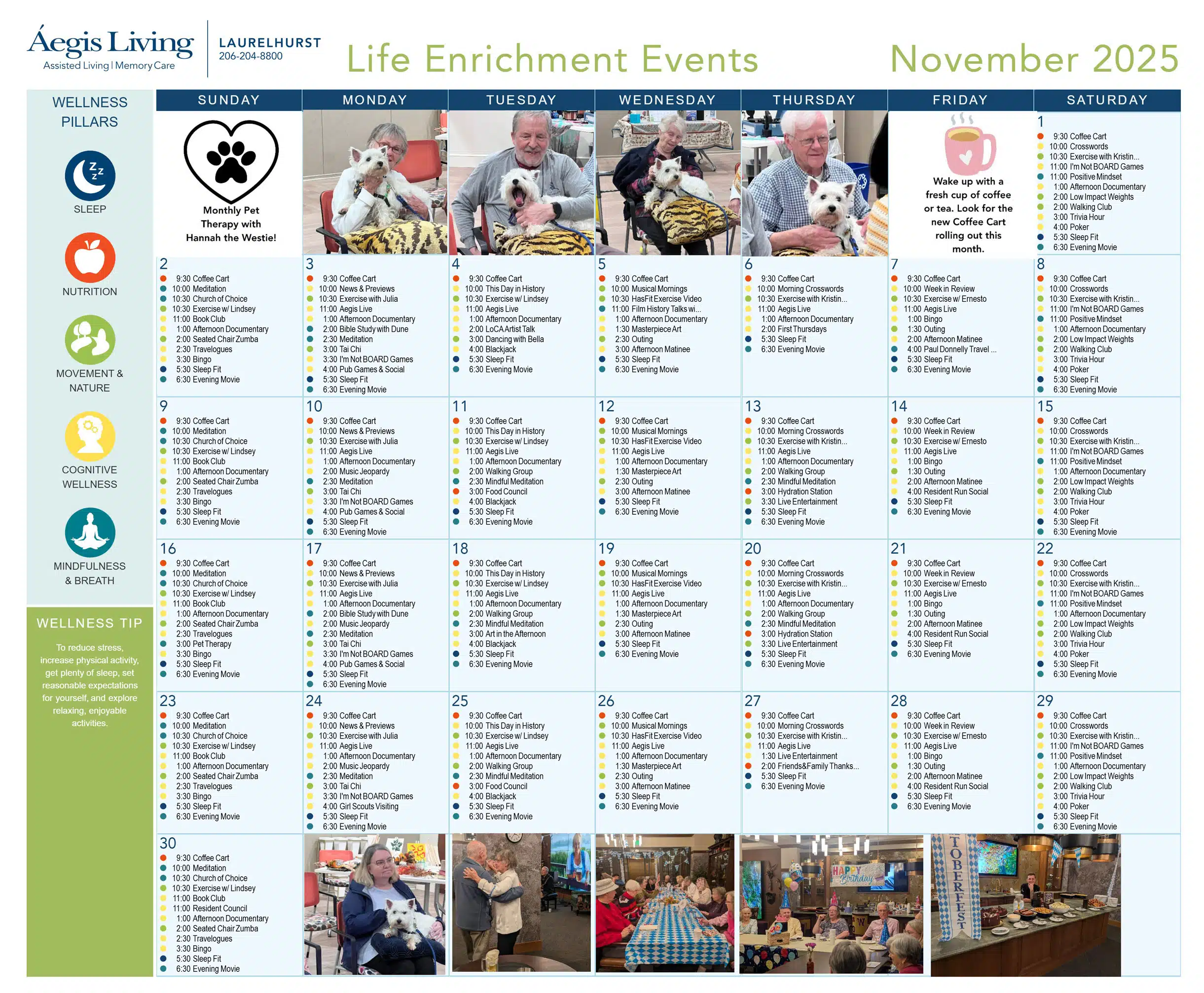
Respite Stays & Day Stays give family caregivers a real break—hours, days, or a few weeks—while your loved one enjoys a safe, enriching short‑term home at Aegis Living. Guests settle into a beautifully furnished private apartment and have 24/7 care staff and onsite nurses, medication management, and discreet safety technology (motion sensors, medical‑alert pendants, visitor check‑in) for peace of mind. Each day feels purposeful with chef‑prepared, all‑day dining and 200+ monthly activities—from book clubs and fitness classes to movie nights—plus full use of the community. We coordinate with your loved one’s physicians to mirror their routines and care, so the stay feels familiar. It’s also a smart trial run for senior living: meet neighbors, test services, and see what supported independence looks like—without a long‑term commitment. Choose a Respite Stay when you’re traveling or need time to recharge, when your loved one would benefit from structure, social connection, and great meals, or when you both want peace of mind while keeping options open.
Hospice & End‑of‑Life Care at Aegis Living is comfort‑first support for the final stage of life, delivered in your loved one’s private apartment by our 24/7 care team in coordination with a trusted local hospice provider you choose (or we can recommend). Together, we create a coordinated care plan that manages pain and other symptoms, oversees medications, and provides calm, dignified help with daily needs, while offering compassionate emotional support for both resident and family. Discreet safety measures and a reliable medical‑alert system bring help quickly; chef‑prepared, in‑apartment meals adapt to changing appetites. Families are guided through decisions and moments of closure so they can focus on being present in a peaceful, home‑like setting. If your loved one already lives at Aegis, they can remain in the comfort of their home, avoiding disruptive moves. Choose this level of care when curative treatment is no longer the goal and you want expert symptom control, hands‑on daily support, and a setting that protects dignity and prioritizes comfort, meaning, and time together.
Memory Care is specialized, secure support for people living with Alzheimer’s or other dementias who benefit from a calm, structured environment and round‑the‑clock expertise. At Aegis Living, that care happens in Life’s Neighborhood—an intimate, thoughtfully designed setting where 24/7 dementia‑trained caregivers and a nursing team on site seven days a week deliver personalized help with daily living, medication management, and mobility (including Hoyer lifts and two‑person transfers), while gently redirecting agitation and confusion. Days are purpose‑filled with science‑based cognitive programming, certified music therapy, and social activities; chef‑prepared meals are easy to enjoy and dining spaces and cues are designed for memory support. Discreet safety features like secured entrances, emergency pendants with fall detection, and optional motion sensors, prevent wandering and bring peace of mind, and visiting physicians and wellness professionals reduce trips off‑site. Families receive education and ongoing support. If your loved one is unsafe alone, missing medications, wandering, needs frequent cueing or hands‑on help with bathing or dressing, or thrives with a predictable routine, Memory Care offers the right level of care. For milder needs, our transitional Assisted Living can be a first step; for advancing symptoms, secured Memory Care provides the specialized, heartfelt support to help them feel calm, connected, and at home.