Aegis Living - Senior Care

Benefits of positive relationships between caregivers and patients

Wooden desk and shelves with old fashioned apothecary tools

As the child of a person with Alzheimer’s disease, your biggest concern is providing your parent with the best care possible. It can be overwhelming – for example, the intense worry over how well your mother is communicating with her nurse or if she is happy with her living conditions. In today’s increasingly depersonalized health care system, getting such answers can be a troublesome task. Many people in your situation must rely on the professionals that care for your parent to provide not only medical care but also emotional and social needs.

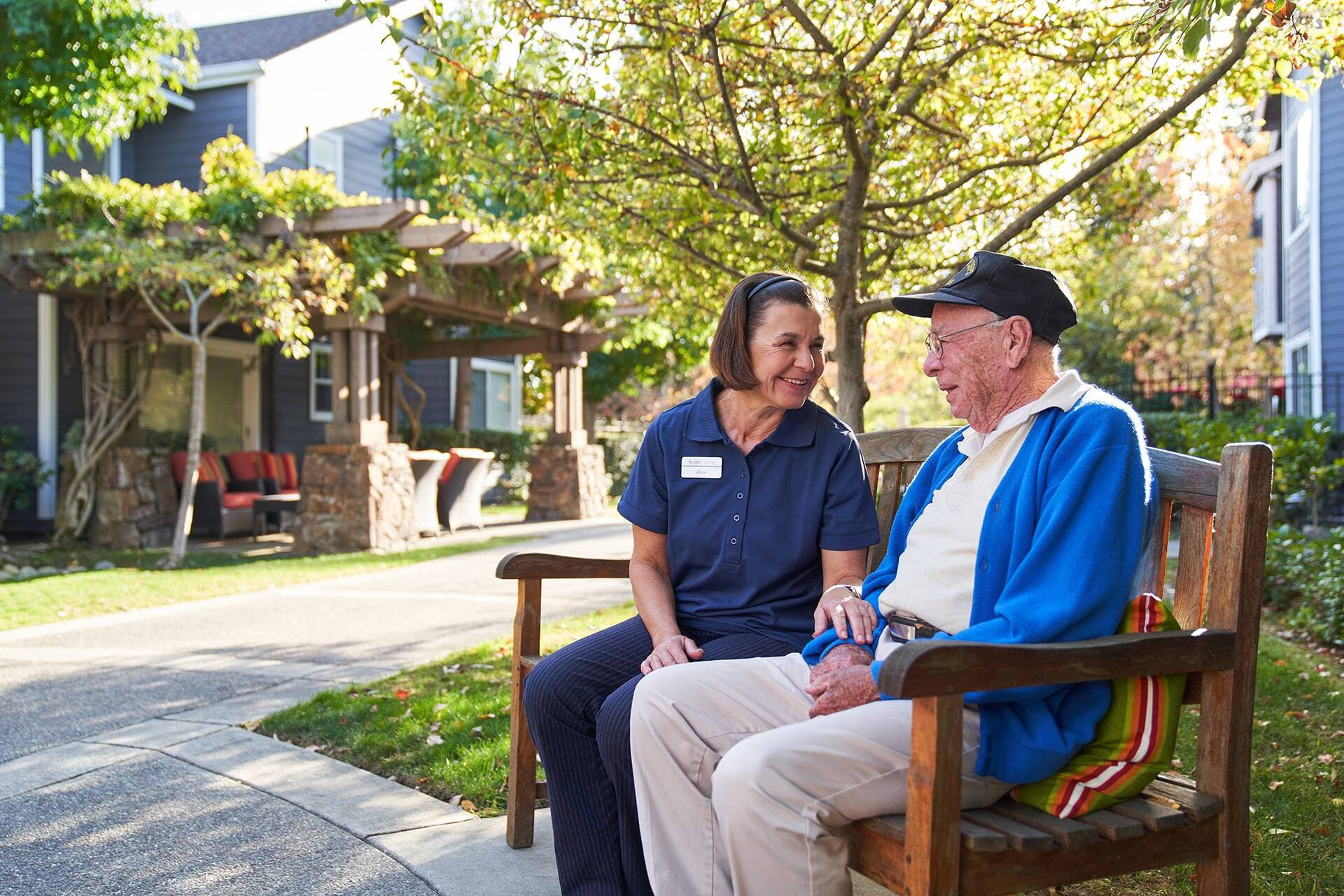
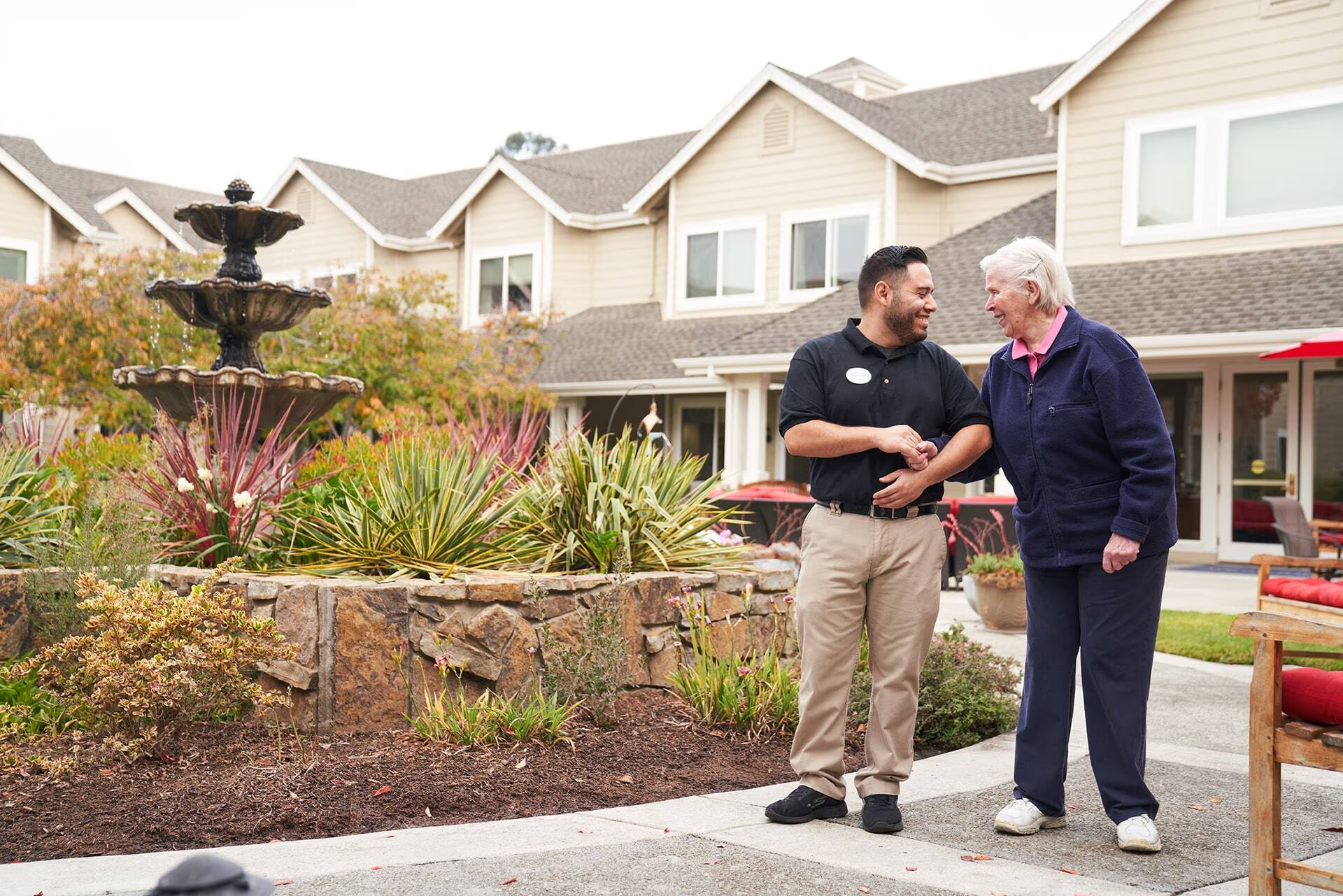
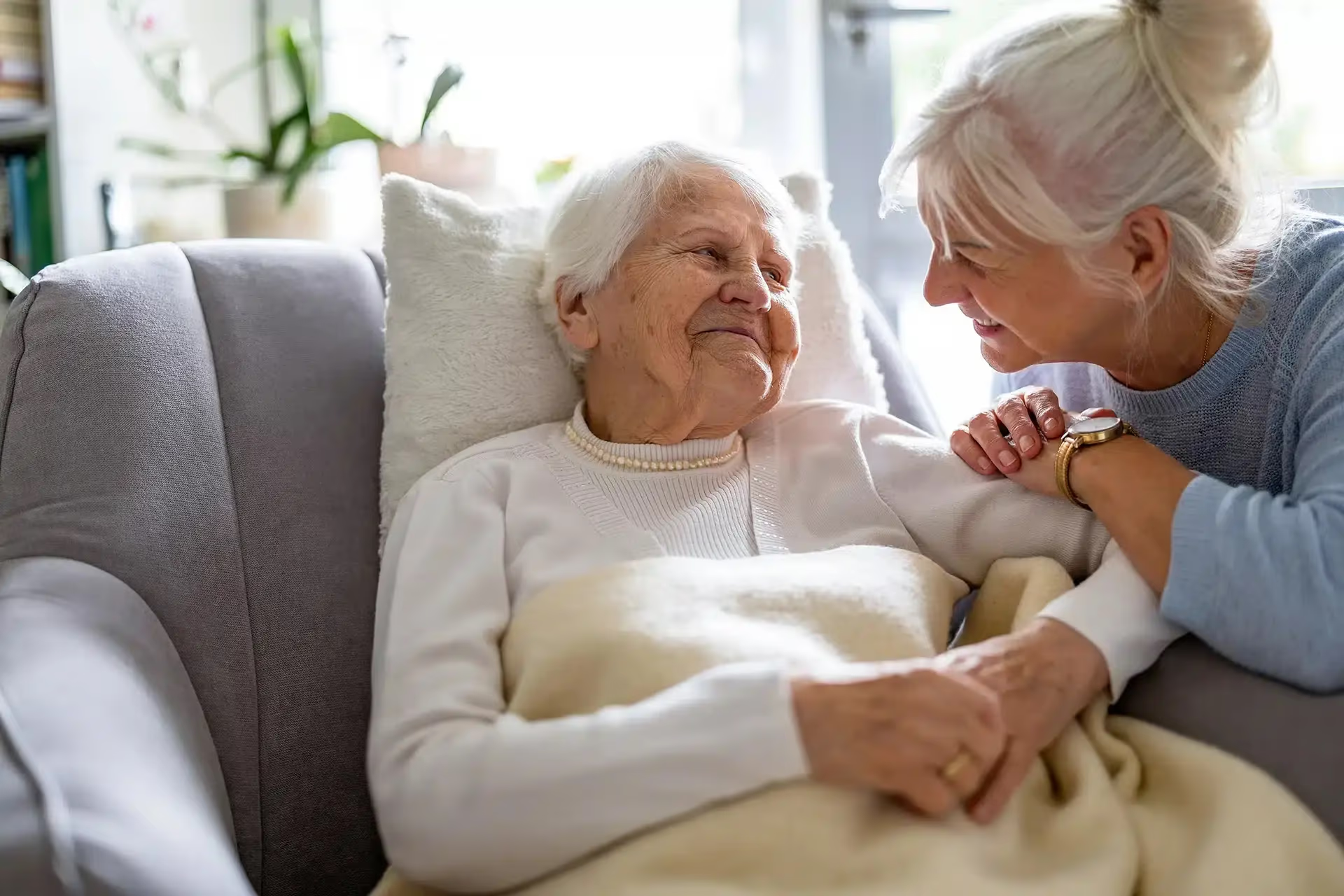
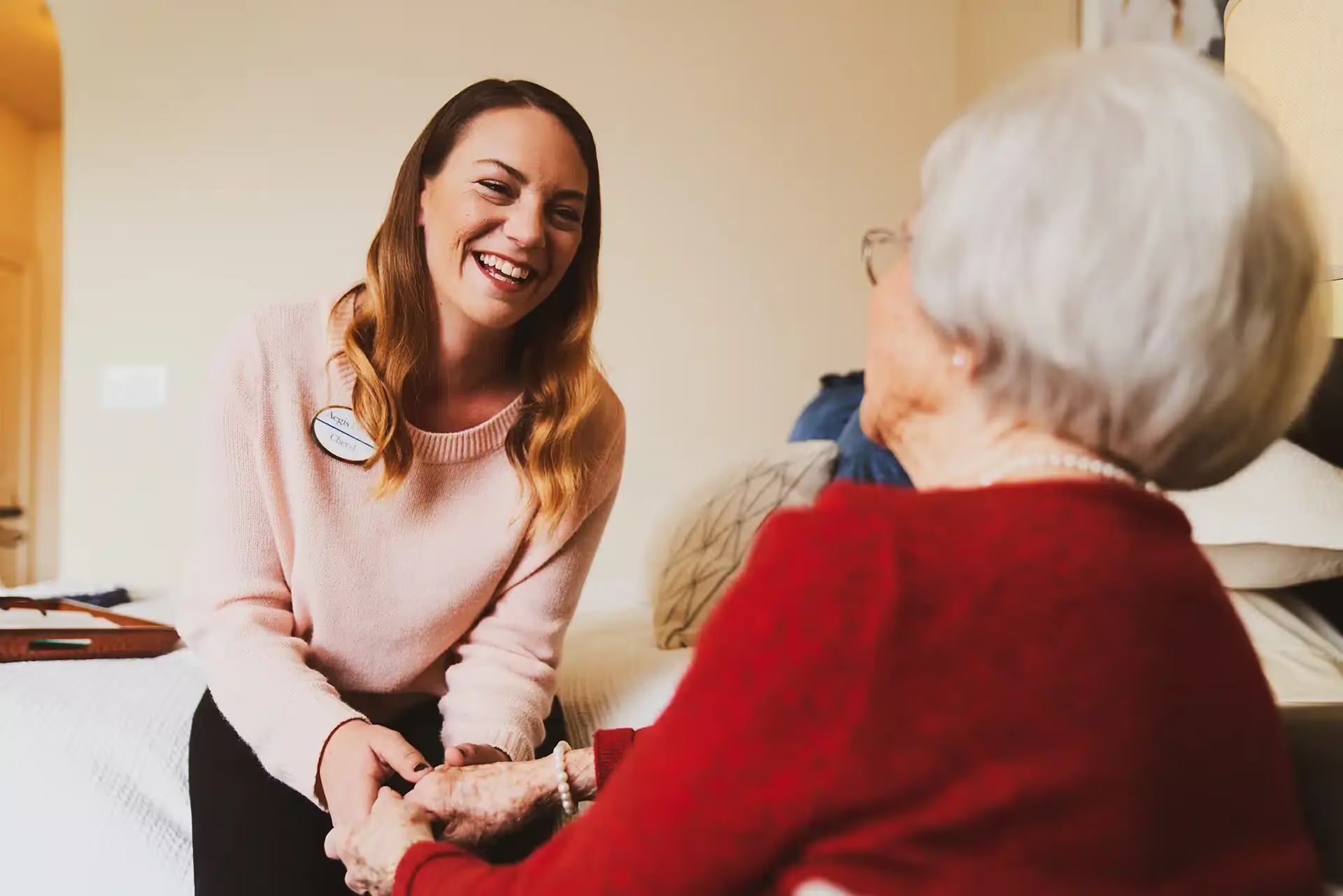
That’s why Aegis Living puts such a strong emphasis on the importance of maintaining a positive relationship between the senior and the caregiver. The stronger the rapport between someone with Alzheimer’s and the person providing care, the more comfortable and content the patient will be. But there’s more to it – an exceptionally close relationship between the two can give an individual with Alzheimer’s a considerable edge when it comes to retaining brain and memory function. In fact, emotional affinity can even be as effective as some Alzheimer’s medications.

The proof is in the research

It seems sensible that someone receiving more personalized care would respond better than one being treated by a distant and closed-off caregiver. But researchers have done the work to prove the effects of a positive relationship between caregivers and patients. Utah State and John Hopkins universities joined forces to conduct a study to determine just how being close and comfortable with a caretaker can benefit Alzheimer’s patients. The clinical investigation, published in the The Journals of Gerontology Series B: Psychological Sciences and Social Sciences in 2009, was the first of its kind, and it showed that the patient-caregiver accord can directly influence the progression of dementia.

The researchers looked at 167 pairs of Alzheimer’s patients and caregivers in their own institution’s medical centers as well as at University of Washington, Boston University and Duke University. Beginning in 2002, the scientists met with these participants in their homes every six months, conducting tests to determine the status of their cognitive, behavioral and physical health. In this case, these caretakers were spouses and adult children. A survey allowed the researchers to determine the closeness of the relationships between the two parties.

At the start, all patients had similar scores on functional and cognitive tests; however, as the time went on, those with more distant relationships continued to score lower than those with closer relationships with their caretakers. In fact, afflicted seniors who felt particularly close to the people looking after them lost half as many points on these tests compared to those who were not close. The study provided clear proof of the benefit of a positive relationship on an Alzheimer’s patient’s ability to retain brain function. The slowed decline in scores were similar to that which occurs with acetylcholinesterase inhibitors, Alzheimer’s drugs approved by the Food and Drug Administration.

Why not just provide care at home?

Ideally, an Alzheimer’s patient would be cared for by a spouse, which the study suggested is the most beneficial situation for someone with this condition, or a family member. But this is isn’t always possible, either because the spouse has passed away or due to the massive toll that looking after someone with memory loss can have. Learning that your parent has Alzheimer’s is difficult enough, but it can become even more devastating as time goes on and symptoms worsen. The mental, emotional and social stress can be unbearable, and studies have shown that such caregivers often experience higher levels of anxiety and depression, loss of sleep and other effects associated with the stress of the responsibility – conditions that can shorten your own life and that your parent would cringe to see you go through. So it’s important to find an assisted living community that allows your parent to live a happy and healthy life with the help of positive relationship with the care provider.

While the aforementioned study focused on patients who receive in-home care, the concept can be applied to assisted living center. For example, a positive relationship between your mother and her nurse can lead to heightened trust, more open, honest communication and, in effect, better overall care for your mother. That’s why it’s important to choose an assisted living facility that embraces these close ties that help seniors with Alzheimer’s retain brain function and stave off memory issues.

How does Aegis stack up?

In today’s modern world, the success of health care is measured largely by technical aspects, such as medication administration and medical procedures, letting communication and humaneness fall to the wayside. It’s a shame, considering the great benefits compassion can have on a patient’s health. But Aegis Living provides individualized care with an emphasis on empathy for your parent’s experiences. For instance, your mother will be surrounded only the most qualified and caring staff who encourage open communication, assess her quality of life and strive to make her happier and more comfortable on a daily basis, while still allowing your mother to feel independent and in control. Aegis staff are the kind of people who ask your mother, “How are you doing today?” and rather than moving on with business, listen intently for the response.

<< Back to Blog

Related Posts

Aegis Living Footer Logo - Home Page
We care for your family like they are our own.
Don’t share my personal information/limit the use of my sensitive personal information.
Áegis is committed to adhering to the WCAG and welcomes feedback from users on accessibility issues.
415 118th Avenue SE, Bellevue, WA, 98005. Áegis Living © 2026. All Rights Reserved.

Share Your Story

Fall dining menu with breakfast and seasonal entrées.
Aegis Living November 2025 events calendar with activities.
AUGi is a discreet, wall-mounted smart device that uses AI technology to track movement and detect potential fall risks. Whether sensing when someone is getting out of bed or recognizing that a fall has occurred, AUGi instantly alerts our care team so help arrives right away. This proactive approach gives residents added safety and families peace of mind.
Restore Red Light Therapy offers a safe, natural way to support health and vitality. This non-invasive treatment reduces inflammation, eases pain, improves mobility, enhances sleep, and rejuvenates skin. By promoting healing and energy at the cellular level, it helps residents feel their best—every single day.

Respite Care

Respite Stays & Day Stays give family caregivers a real break—hours, days, or a few weeks—while your loved one enjoys a safe, enriching short‑term home at Aegis Living. Guests settle into a beautifully furnished private apartment and have 24/7 care staff and onsite nurses, medication management, and discreet safety technology (motion sensors, medical‑alert pendants, visitor check‑in) for peace of mind. Each day feels purposeful with chef‑prepared, all‑day dining and 200+ monthly activities—from book clubs and fitness classes to movie nights—plus full use of the community. We coordinate with your loved one’s physicians to mirror their routines and care, so the stay feels familiar. It’s also a smart trial run for senior living: meet neighbors, test services, and see what supported independence looks like—without a long‑term commitment. Choose a Respite Stay when you’re traveling or need time to recharge, when your loved one would benefit from structure, social connection, and great meals, or when you both want peace of mind while keeping options open.

Hospice Care

Hospice & End‑of‑Life Care at Aegis Living is comfort‑first support for the final stage of life, delivered in your loved one’s private apartment by our 24/7 care team in coordination with a trusted local hospice provider you choose (or we can recommend). Together, we create a coordinated care plan that manages pain and other symptoms, oversees medications, and provides calm, dignified help with daily needs, while offering compassionate emotional support for both resident and family. Discreet safety measures and a reliable medical‑alert system bring help quickly; chef‑prepared, in‑apartment meals adapt to changing appetites. Families are guided through decisions and moments of closure so they can focus on being present in a peaceful, home‑like setting. If your loved one already lives at Aegis, they can remain in the comfort of their home, avoiding disruptive moves. Choose this level of care when curative treatment is no longer the goal and you want expert symptom control, hands‑on daily support, and a setting that protects dignity and prioritizes comfort, meaning, and time together.

Transitional Care

Transitional Care is Aegis Living’s bridge for early memory loss—made for people who are still social and independent but benefit from structure, reminders, and gentle support. Residents remain in assisted living with full access to amenities and friendships, while dementia‑trained team members are available 24/7 for cueing, medication management, wayfinding, and compassionate redirection when confusion arises. Onsite nurses monitor health and adjust a personalized care plan as needs evolve, and discreet safety technology like motion sensors, medical‑alert pendants, and a visitor check‑in system, adds reassurance without sacrificing freedom. Nutrition and hydration stay on track with chef‑prepared meals, seasonal menus, and all‑day options, and days are filled with meaningful activities that build confidence and connection. Couples can stay together even with different care needs. If symptoms progress, a seamless transition to our secured Life’s Neighborhood Memory Care is available with the same trusted team. Choose Transitional Care when your loved one is missing medications, repeating questions, or feeling anxious alone but does not yet require a secured Memory Care setting—it’s the right support, at the right time.

Memory Care

Memory Care is specialized, secure support for people living with Alzheimer’s or other dementias who benefit from a calm, structured environment and round‑the‑clock expertise. At Aegis Living, that care happens in Life’s Neighborhood—an intimate, thoughtfully designed setting where 24/7 dementia‑trained caregivers and a nursing team on site seven days a week deliver personalized help with daily living, medication management, and mobility (including Hoyer lifts and two‑person transfers), while gently redirecting agitation and confusion. Days are purpose‑filled with science‑based cognitive programming, certified music therapy, and social activities; chef‑prepared meals are easy to enjoy and dining spaces and cues are designed for memory support. Discreet safety features like secured entrances, emergency pendants with fall detection, and optional motion sensors, prevent wandering and bring peace of mind, and visiting physicians and wellness professionals reduce trips off‑site. Families receive education and ongoing support. If your loved one is unsafe alone, missing medications, wandering, needs frequent cueing or hands‑on help with bathing or dressing, or thrives with a predictable routine, Memory Care offers the right level of care. For milder needs, our transitional Assisted Living can be a first step; for advancing symptoms, secured Memory Care provides the specialized, heartfelt support to help them feel calm, connected, and at home.

Assisted Living

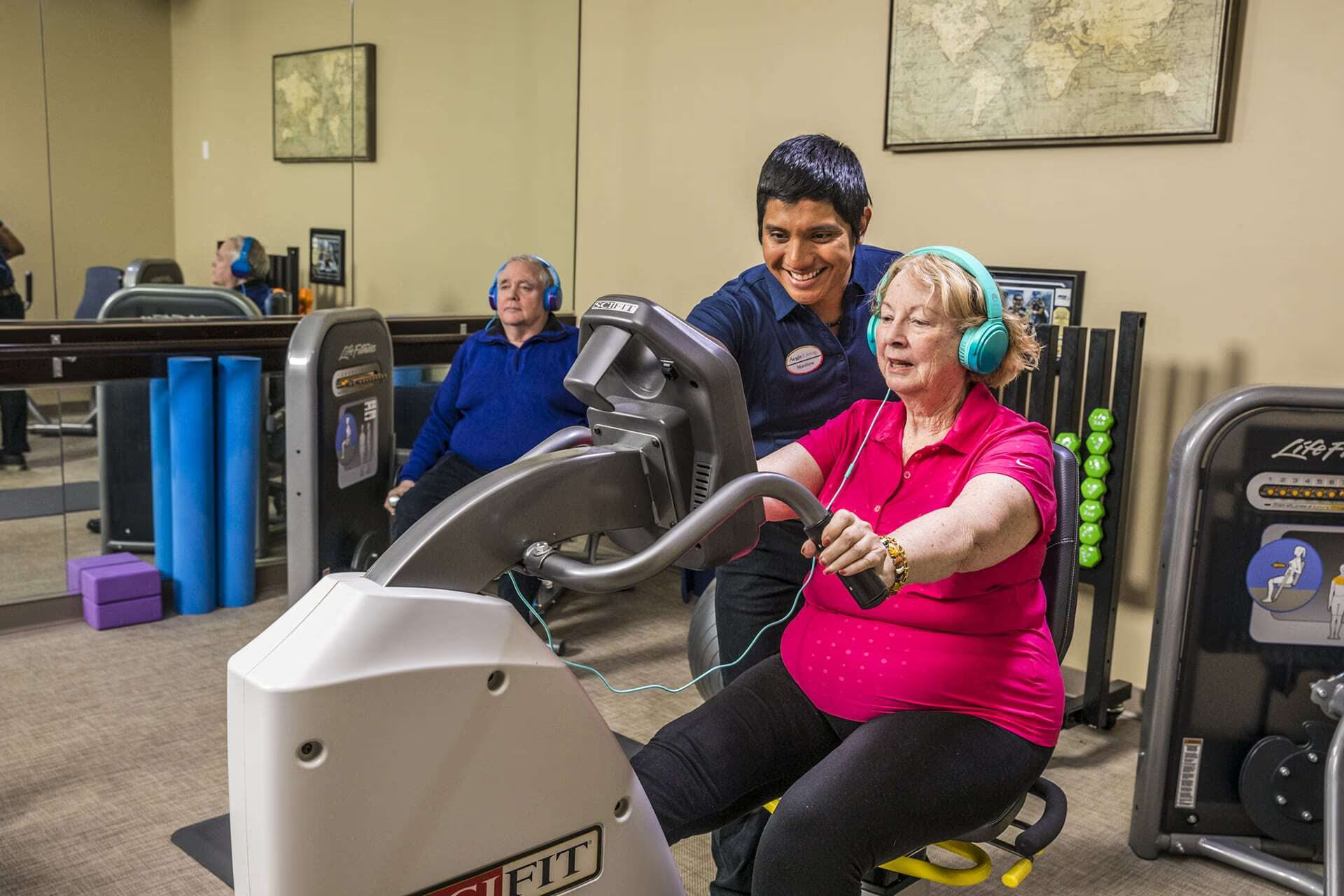
Assisted Living is ideal when you—or a loved one—want to stay independent but need daily help to live safely and well. It combines a private apartment with 24/7 caregivers who provide personalized support with activities of daily living (bathing, dressing, medications, mobility, including two‑person transfers and Hoyer lifts when needed). A nursing team on site seven days a week builds a tailored care plan, with visiting physicians and onsite physical, occupational, and speech therapy available for added peace of mind. Meanwhile, we handle the details like chef‑prepared, dietitian‑designed all‑day dining, housekeeping, laundry, transportation, and concierge services, so residents can focus on community and purpose in beautifully designed spaces with fitness classes, clubs, and daily activities. Care scales up or down as needs change (so you only pay for the support you use). If you don’t require the constant medical care of a nursing home but want more help than independent living provides, Assisted Living delivers the care, comfort, and community to help you thrive.
Light Assisted Living is for adults who are largely independent and want the ease of maintenance‑free living with a trusted safety net close by. You’ll keep your own routine in a private apartment while we handle the hassle like chef‑prepared, dietitian‑designed all‑day dining, weekly housekeeping and laundry, concierge help, and scheduled transportation to appointments and outings. Our on‑site team is available 24/7 for occasional support—think medication reminders, a steady arm for bathing or dressing, or short‑term help after an illness—without the intensity of higher‑level care. Stay active with a full calendar of fitness, arts, clubs, and curated excursions; stay well with visiting physicians and optional physical, occupational, and speech therapy through our EmpowerMe Wellness partnership. Emergency call systems, elevators, and discreet mobility support add peace of mind. It’s the right fit if you don’t need Memory Care or frequent hands‑on assistance, but want community, convenience, and the assurance that more support can scale up if your needs change. Couples with different care needs can remain together with personalized plans.