If you are the caregiver for your aging parent, it is important to know who is susceptible to shingles. There are approximately 1 million estimated cases of shingles in the U.S. per year. This frightening statistic estimates that one out of every three people will develop shingles at some point in their lifetime, and the elderly are particularly susceptible.
Shingles is a painful, blistering skin rash that typically affects one side of the body. The disease most often shows up on the face or torso. The rash appears as a band or stripe in the affected area of the body after a short period of tingling, itching, burning, or stinging. Similar to chickenpox, after a few days, the rash will erupt into blisters. Most will only experience shingles in a single episode, but reoccurring cases have been known to happen. Outbreaks last about two to four weeks.
Shingles is caused by the same virus as chickenpox, varicella zoster virus (VZV). Many of us developed chickenpox during our youth after being exposed to VZV. After the chickenpox clears, the virus remains dormant within our body. But for some adults, for reasons that are not absolutely clear, the virus can reactivate and cause shingles.
Shingles is most common in elderly adults and those with weakened immune systems. Your risk of getting shingles increases with age. Approximately 50% of all shingles cases occur in adults over the age of 60, which is due in large part to their compromised immune systems.
In 2006, the U.S. Food and Drug Administration (FDA) approved the shingles vaccine (Zostavax). Currently, the Centers for Disease Control and Prevention (CDC) recommends getting the vaccine at age 60 or older. Though more often you may hear recommendations to get it at 50 plus. It only has to be administered one time. It has been shown to reduce the risk of developing shingles by close to 60%. Although some can still develop shingles despite the vaccine, it will decrease the length and severity of an outbreak. We recommend that you consult with your physician if you have questions about the vaccine.
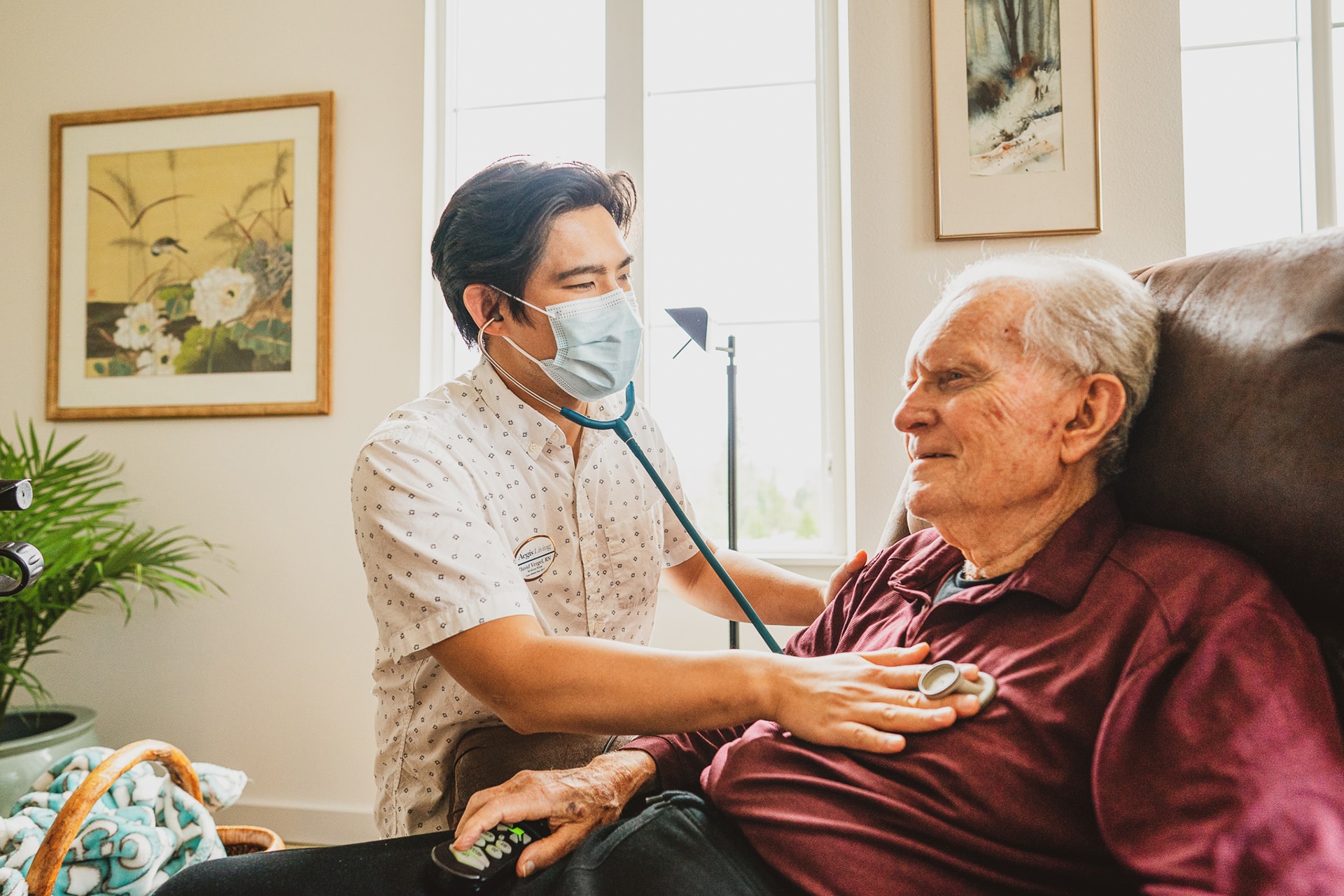
Individuals with shingles can complain of severe pain and extremely sensitive skin, so treatment aims to diminish the effects of the virus and manage the pain. Most cases can be managed at home with care, but some adults with impaired immune systems or extreme symptoms may be admitted to the hospital.
If your parent is showing the signs of a rash or experiencing discomfort, bring them to their doctor to determine if they have shingles and the best care plan for their recovery. Their physician will recommend a treatment plan that can include antiviral medication to shorten the course of the illness and decrease the severity of the symptoms. These medications are most effective when administered within 72 hours of the rash appearing, so it is important to see a physician at the first signs of shingles. Pain medications can be prescribed to relieve the pain and discomfort of the rash. And some antihistamine medications can help relieve the itching.
At Aegis Living, it is our goal to keep your aging loved ones healthy. If you see signs of a rash or discomfort, consult their physician immediately.


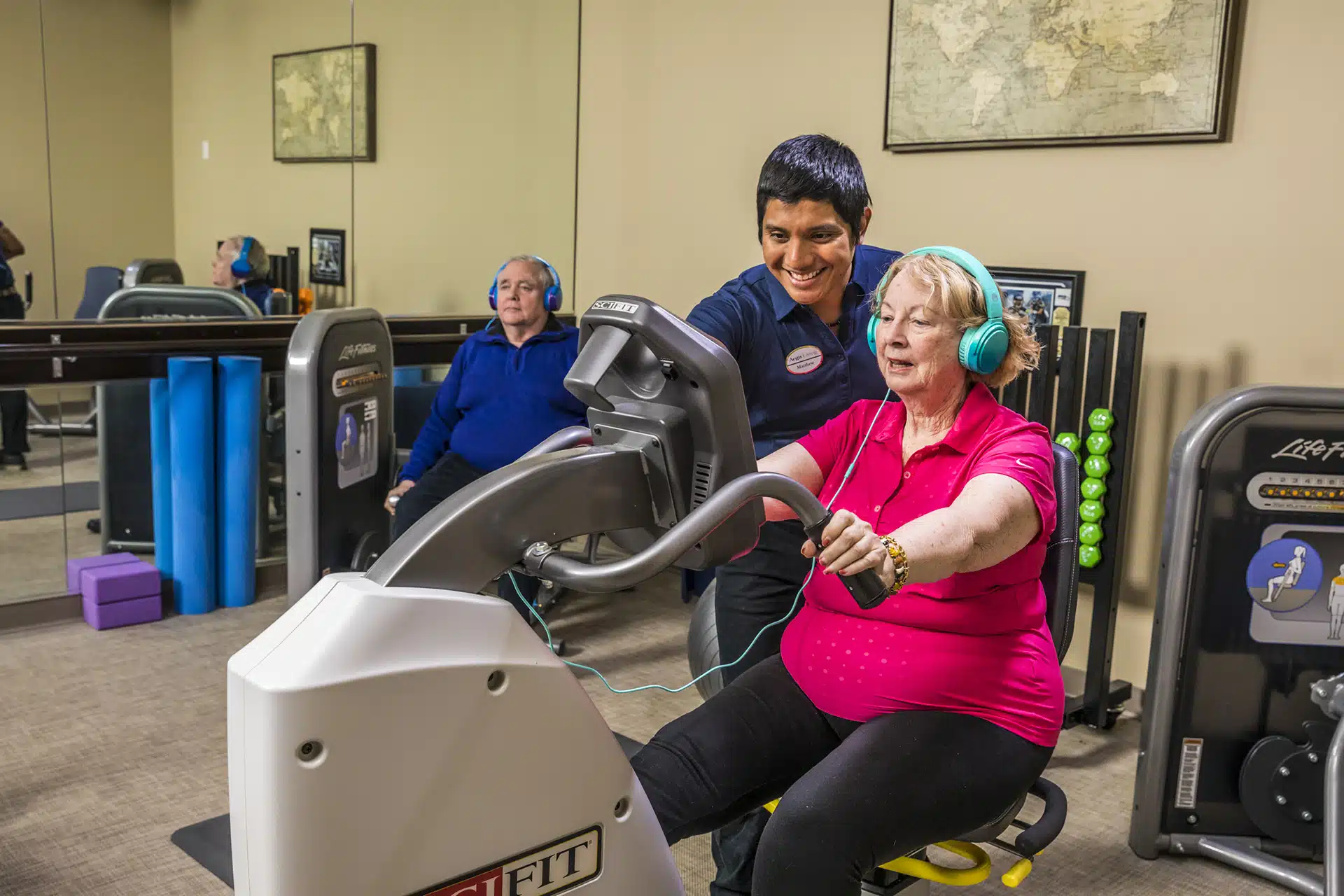
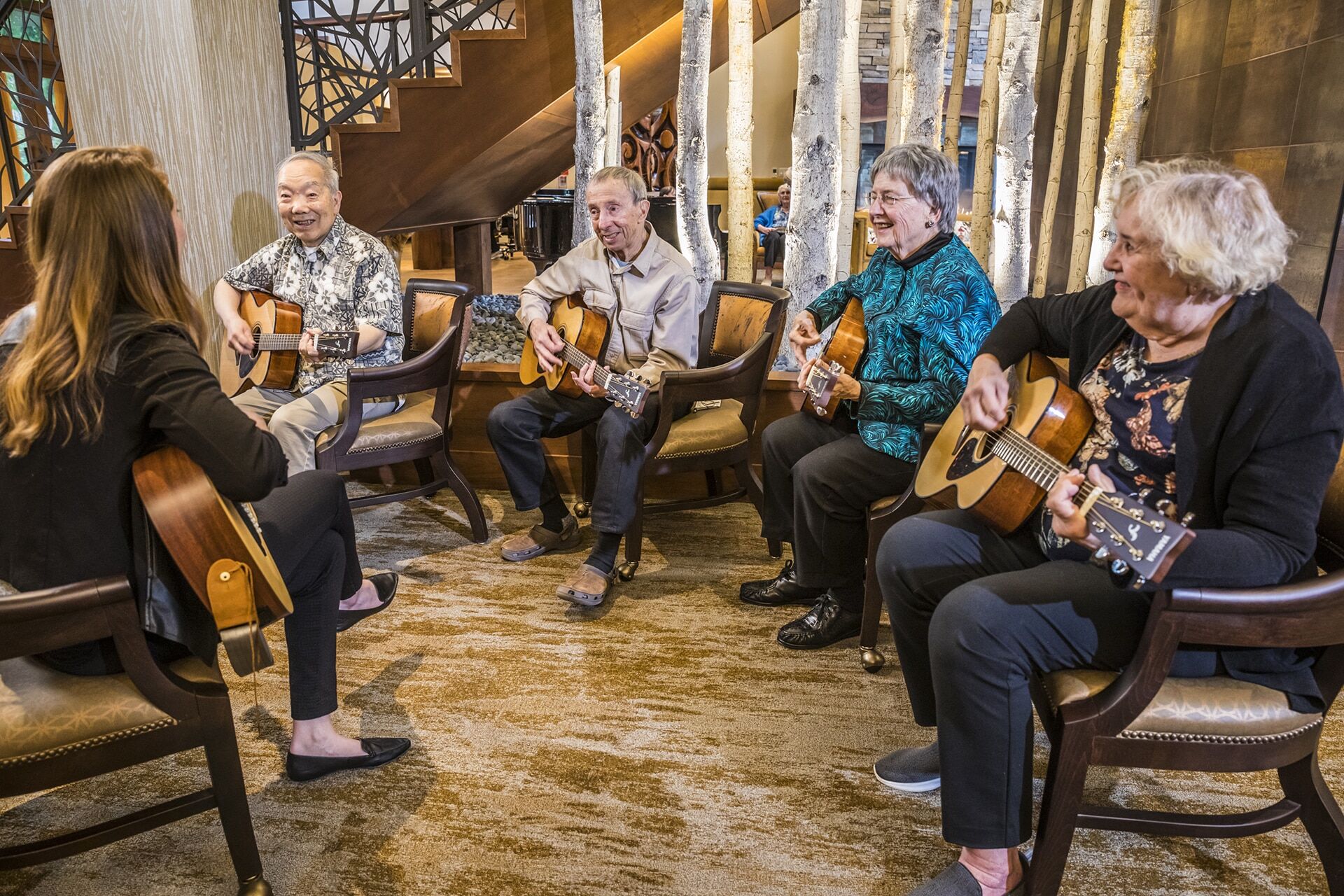
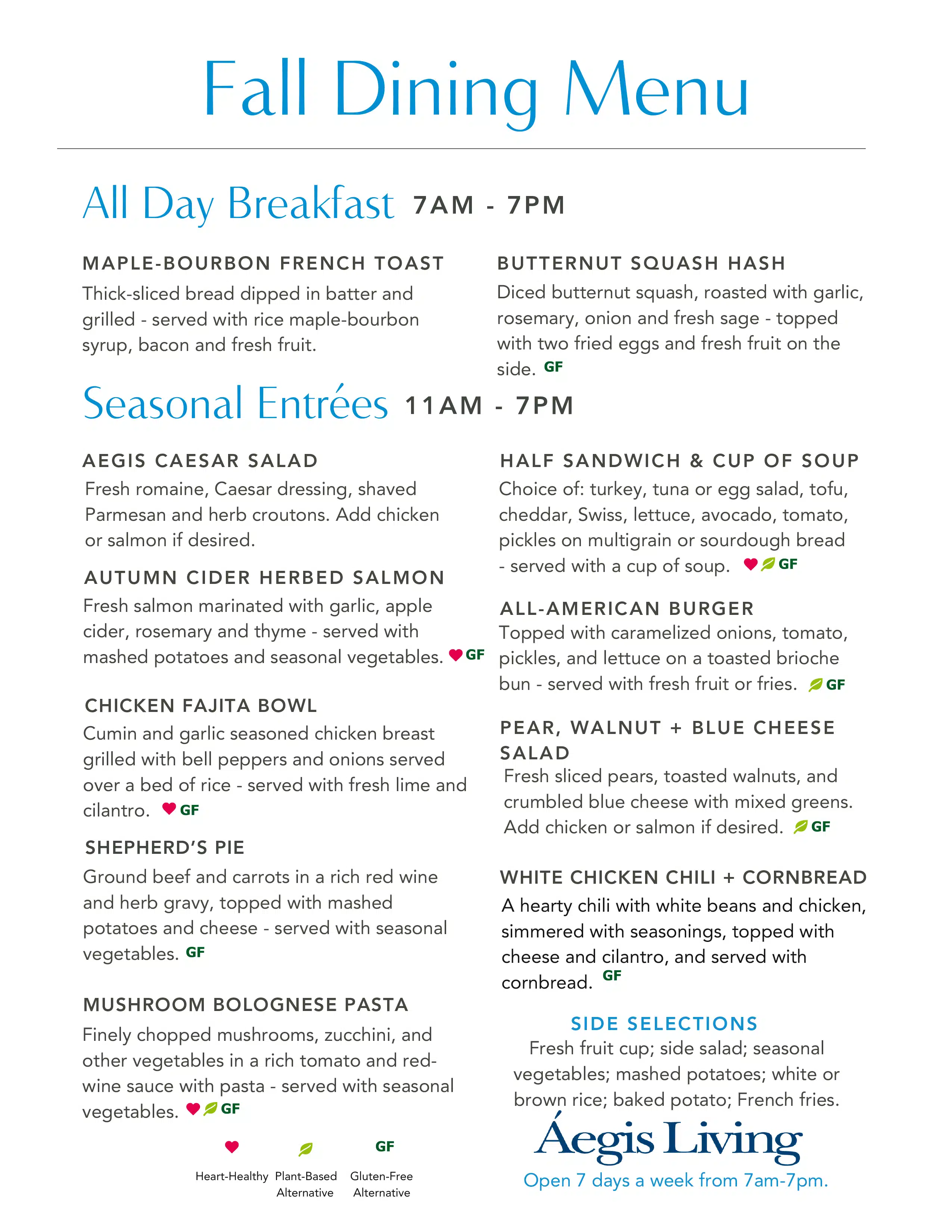
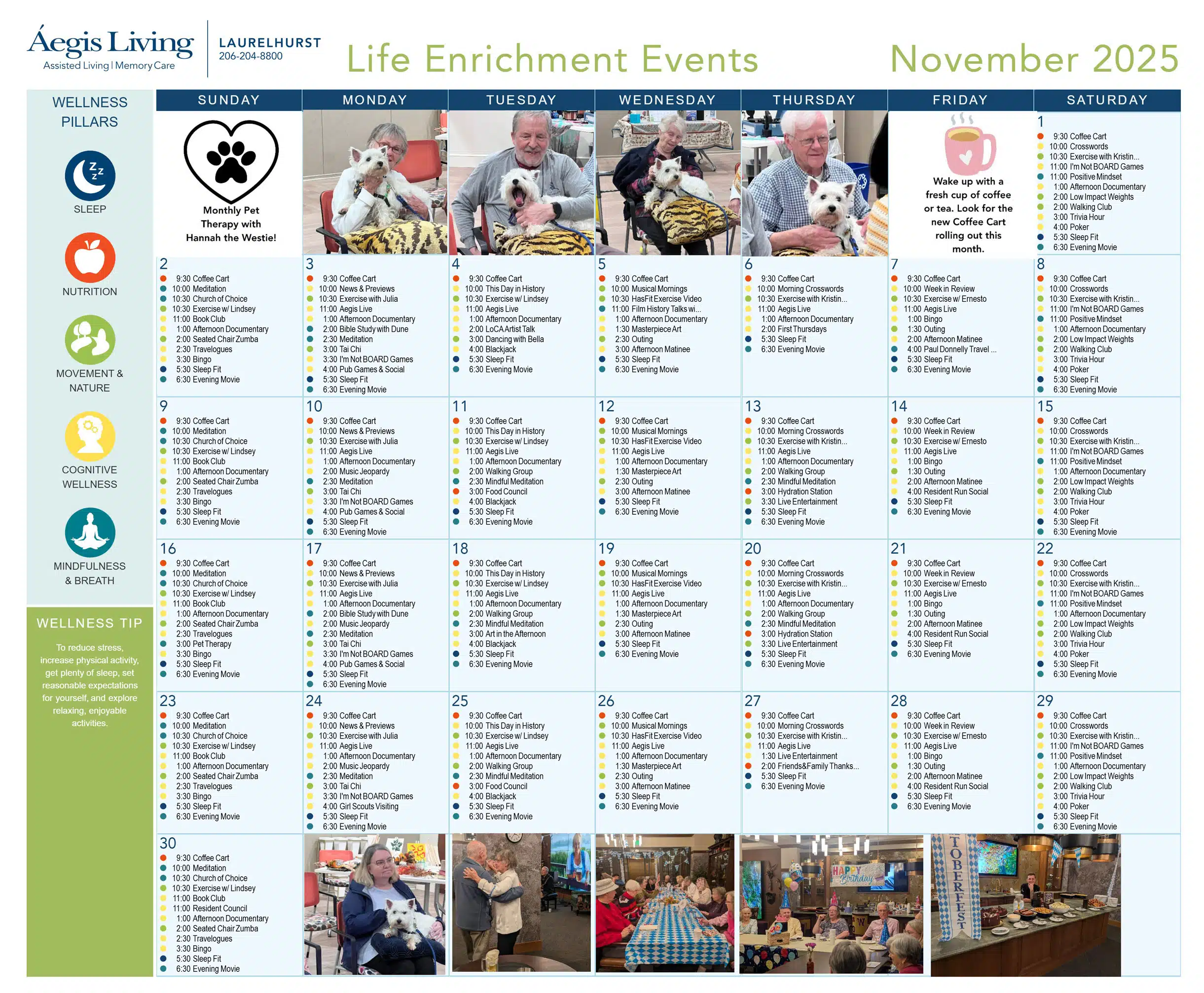
Respite Stays & Day Stays give family caregivers a real break—hours, days, or a few weeks—while your loved one enjoys a safe, enriching short‑term home at Aegis Living. Guests settle into a beautifully furnished private apartment and have 24/7 care staff and onsite nurses, medication management, and discreet safety technology (motion sensors, medical‑alert pendants, visitor check‑in) for peace of mind. Each day feels purposeful with chef‑prepared, all‑day dining and 200+ monthly activities—from book clubs and fitness classes to movie nights—plus full use of the community. We coordinate with your loved one’s physicians to mirror their routines and care, so the stay feels familiar. It’s also a smart trial run for senior living: meet neighbors, test services, and see what supported independence looks like—without a long‑term commitment. Choose a Respite Stay when you’re traveling or need time to recharge, when your loved one would benefit from structure, social connection, and great meals, or when you both want peace of mind while keeping options open.
Hospice & End‑of‑Life Care at Aegis Living is comfort‑first support for the final stage of life, delivered in your loved one’s private apartment by our 24/7 care team in coordination with a trusted local hospice provider you choose (or we can recommend). Together, we create a coordinated care plan that manages pain and other symptoms, oversees medications, and provides calm, dignified help with daily needs, while offering compassionate emotional support for both resident and family. Discreet safety measures and a reliable medical‑alert system bring help quickly; chef‑prepared, in‑apartment meals adapt to changing appetites. Families are guided through decisions and moments of closure so they can focus on being present in a peaceful, home‑like setting. If your loved one already lives at Aegis, they can remain in the comfort of their home, avoiding disruptive moves. Choose this level of care when curative treatment is no longer the goal and you want expert symptom control, hands‑on daily support, and a setting that protects dignity and prioritizes comfort, meaning, and time together.
Memory Care is specialized, secure support for people living with Alzheimer’s or other dementias who benefit from a calm, structured environment and round‑the‑clock expertise. At Aegis Living, that care happens in Life’s Neighborhood—an intimate, thoughtfully designed setting where 24/7 dementia‑trained caregivers and a nursing team on site seven days a week deliver personalized help with daily living, medication management, and mobility (including Hoyer lifts and two‑person transfers), while gently redirecting agitation and confusion. Days are purpose‑filled with science‑based cognitive programming, certified music therapy, and social activities; chef‑prepared meals are easy to enjoy and dining spaces and cues are designed for memory support. Discreet safety features like secured entrances, emergency pendants with fall detection, and optional motion sensors, prevent wandering and bring peace of mind, and visiting physicians and wellness professionals reduce trips off‑site. Families receive education and ongoing support. If your loved one is unsafe alone, missing medications, wandering, needs frequent cueing or hands‑on help with bathing or dressing, or thrives with a predictable routine, Memory Care offers the right level of care. For milder needs, our transitional Assisted Living can be a first step; for advancing symptoms, secured Memory Care provides the specialized, heartfelt support to help them feel calm, connected, and at home.