
Is It Just a Senior Moment—or Something More?
Not all memory loss is dementia. Learn how to tell the difference between normal age-related forgetfulness and when it may be time to speak with a doctor. Includes checklist and…


As your parent gets older, their medication list can get longer and more complicated. Seniors face multiple ailments and illnesses which can come with a number of medications and different dosages. Sometimes it can get difficult to keep it all straight—the dosage, time of day, with food, without food, drug interactions, etc. This task can be daunting for a caregiver.
The more prescribed drugs taken for the different conditions your parent develops, the higher the chance that they will experience dangerous side effects as the result of drug interactions. You want to avoid mistakenly giving the wrong drug or dosage. As a caregiver, you can help prevent these problems by being organized and making sure your parent’s physicians and pharmacist know about all of the prescription drugs that your parent is taking.
It seems simple enough but keeping a printed list of all medications that your parent is currently taking is essential. This complete list should include all prescription medications along with over-the-counter medicines taken by your parent. Print multiple copies of this list. Keep a copy in your parent’s home and one updated list with you at all times. Update and share this list with your parent’s physician during their next appointment. This list should outline the medication name, the dosage, and the reason that it was prescribed.
We lead busy lives and are overloaded with information daily so we can easily forget the details associated with each medication. After you read the printed materials with their prescribed medication, file this documentation in a master folder. The information will be on hand if you have any questions regarding the side effects or dosage.
If possible, have your parent’s medication fulfilled at one pharmacy. A single pharmacy can better track all the medications and flag any issues or potential drug interactions. This is an additional safeguard for your parent’s health.
Repetition can help with remembering to take a medication. Determining what medications to take when they wake up, with a meal during the day, or before they go to bed will help your parent remember to take their medicines.
Some of us like to check items off a list or prefer visual reminders, a chart or calendar can be helpful. Make a graph or daily calendar of their medications and chart the time of day and dosage that is clear to understand. Keep this posted in a central location and update as medications change.
There is a multitude of pill organizers on the market. They can be as simple as a pill organizer for the week or for the month. Some come with departments for 2 dosages per day, and others even have alarms to alert your parent when a pill needs to be taken. A pill organizer is a clear way to know if a pill has been taken and to eliminate confusion. But before you sit down to fill your pill organizer, make sure you are clear on the dosage for each pill and where it needs to go. You don’t want the organizer to be set up incorrectly from the start.
With the number of medications that you might be juggling for your parent, another option is to use a reminder service from a medical alert company. They can phone or text your parent to alert them when a medication needs to be taken.
There are several medication reminder smartphone apps on the market with helpful reminders at your fingertips. These apps can make taking medication as easy and automatic as possible. An app can keep medications organized clearly in one place and remind you when a refill is needed. Let modern technology make pill reminders easier.
Now that you have the organizational measures in place to manage the medications for your parent, it’s important to also note how to dispose of unused or outdated medications. Close to 40% of all medications purchased in the United States annually remain unused. Many of us are guilty of having expired over-the-counter medications sitting in our bathroom cabinets that are not needed or no longer useful. It is important to dispose of these medicines safely, so you do not harm others or the environment.
Also, be proactive to avoid getting more medications than you need in the first place. Check with both your parent’s physician and pharmacist so you don’t receive more pills than your parent can use before the expiration date. If you purchase medications online, double check that the refill schedule does not leave you with too many. When buying over-the-counter medication, check your medicine cabinets and keep a list of what you are out of and only plan to use. Planning your medication appropriately will help you avoid expired medicines and help your family save money in the long run.

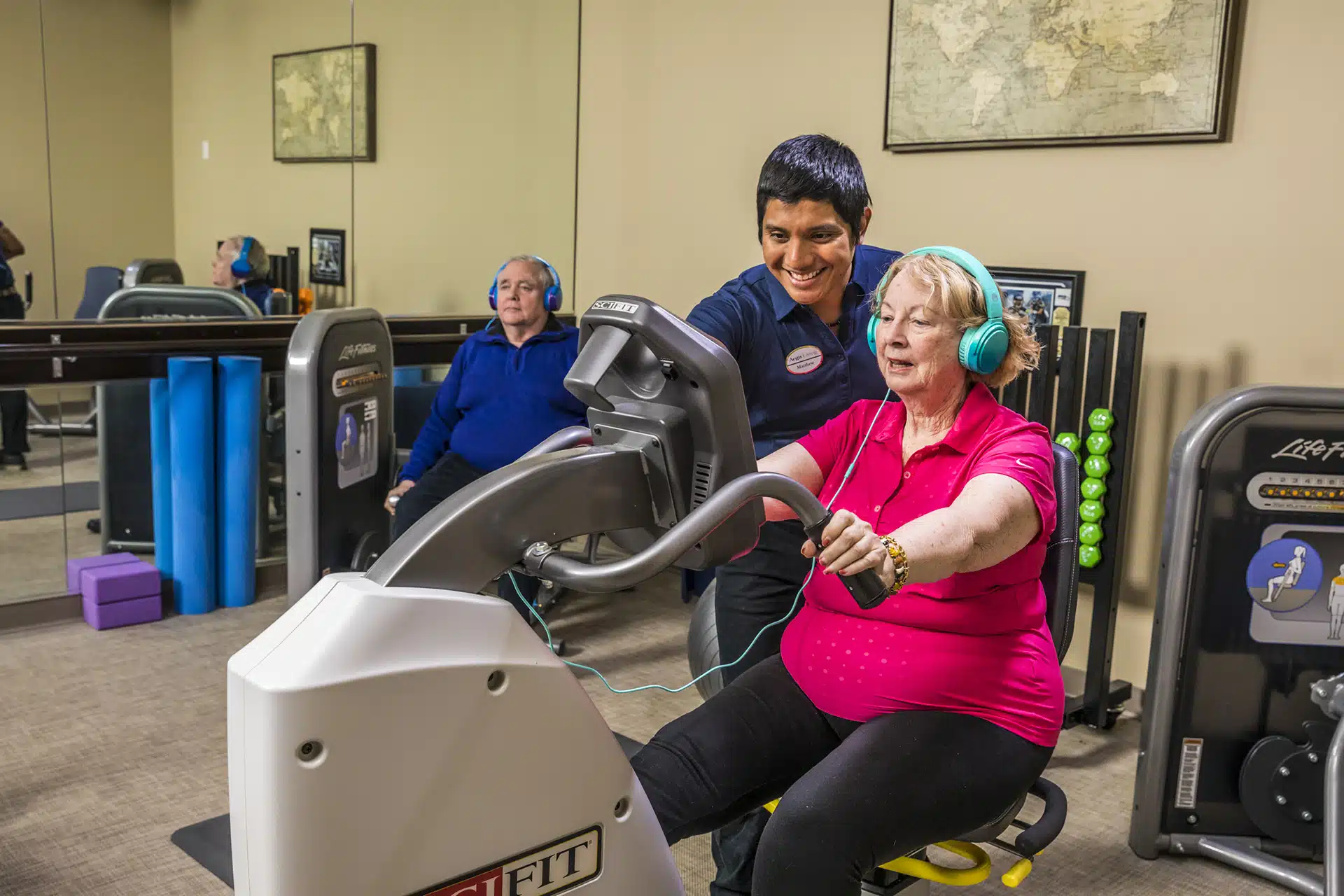



Respite Stays & Day Stays give family caregivers a real break—hours, days, or a few weeks—while your loved one enjoys a safe, enriching short‑term home at Aegis Living. Guests settle into a beautifully furnished private apartment and have 24/7 care staff and onsite nurses, medication management, and discreet safety technology (motion sensors, medical‑alert pendants, visitor check‑in) for peace of mind. Each day feels purposeful with chef‑prepared, all‑day dining and 200+ monthly activities—from book clubs and fitness classes to movie nights—plus full use of the community. We coordinate with your loved one’s physicians to mirror their routines and care, so the stay feels familiar. It’s also a smart trial run for senior living: meet neighbors, test services, and see what supported independence looks like—without a long‑term commitment. Choose a Respite Stay when you’re traveling or need time to recharge, when your loved one would benefit from structure, social connection, and great meals, or when you both want peace of mind while keeping options open.
Hospice & End‑of‑Life Care at Aegis Living is comfort‑first support for the final stage of life, delivered in your loved one’s private apartment by our 24/7 care team in coordination with a trusted local hospice provider you choose (or we can recommend). Together, we create a coordinated care plan that manages pain and other symptoms, oversees medications, and provides calm, dignified help with daily needs, while offering compassionate emotional support for both resident and family. Discreet safety measures and a reliable medical‑alert system bring help quickly; chef‑prepared, in‑apartment meals adapt to changing appetites. Families are guided through decisions and moments of closure so they can focus on being present in a peaceful, home‑like setting. If your loved one already lives at Aegis, they can remain in the comfort of their home, avoiding disruptive moves. Choose this level of care when curative treatment is no longer the goal and you want expert symptom control, hands‑on daily support, and a setting that protects dignity and prioritizes comfort, meaning, and time together.
Memory Care is specialized, secure support for people living with Alzheimer’s or other dementias who benefit from a calm, structured environment and round‑the‑clock expertise. At Aegis Living, that care happens in Life’s Neighborhood—an intimate, thoughtfully designed setting where 24/7 dementia‑trained caregivers and a nursing team on site seven days a week deliver personalized help with daily living, medication management, and mobility (including Hoyer lifts and two‑person transfers), while gently redirecting agitation and confusion. Days are purpose‑filled with science‑based cognitive programming, certified music therapy, and social activities; chef‑prepared meals are easy to enjoy and dining spaces and cues are designed for memory support. Discreet safety features like secured entrances, emergency pendants with fall detection, and optional motion sensors, prevent wandering and bring peace of mind, and visiting physicians and wellness professionals reduce trips off‑site. Families receive education and ongoing support. If your loved one is unsafe alone, missing medications, wandering, needs frequent cueing or hands‑on help with bathing or dressing, or thrives with a predictable routine, Memory Care offers the right level of care. For milder needs, our transitional Assisted Living can be a first step; for advancing symptoms, secured Memory Care provides the specialized, heartfelt support to help them feel calm, connected, and at home.