
Meaningful Care Without Medication: Holistic Approaches to Dementia
Learn how therapies like music, movement, reminiscence, and cognitive stimulation can help manage dementia symptoms and improve daily life—no prescription required.


Denial is the most common reason people wait until a fall, injury or illness before they start to seek information on assisted living. So what are the signs that your parent may need help before an emergency happens? Even when you know your parent could use some extra help completing daily tasks, you may still be confused – after all, couldn’t a caretaker come in a few times a week? Is mom or dad really struggling so much? Even considering assisted living for your parent or another senior loved one signals a major life change, and it’s one both you and your loved one are likely to have a lot of feelings about. To help you stay grounded on the real issue – whether your parent or loved one would do better at an assisted living community than in his or her own home – here are some signs it may be time to move your parent into a senior community.
“What are the signs that your parent may need help?”
While it may not occur to you, the way your parent is dressing and taking care of his or her hygiene needs is a good sign about whether he or she could benefit from living in a senior community. If your parent is wearing the same clothes every time you visit, or is clearly having difficulty showering, washing his or her hair or keeping clothes laundered, it may be time to plan a move into assisted living. Of course, people of retirement age may relax their grooming and clothing standards – there’s no longer any need to put on a suit for work every morning, for example – but if you notice the same outfit every day or a marked problem with cleanliness, it may be time to find the best community for your parent to experience assisted living.
If your parent is currently living with Alzheimer’s or another form of dementia, you are likely already aware that he or she is likely to require memory care in an assisted living community at some point. When to pursue this option is an intensely personal decision, but the safety of your loved one and your own health must always come first. If your loved one has begun to wander, exhibit agitated behavior or even aggression or is not safe in his or her home, it’s time to begin the process of moving him or her into assisted living. It is also important to acknowledge care needs that are beyond what you have the capacity to provide, which can be particularly true of physical care needs that many of us develop as we age. If you cannot reliably help your loved one with the activities of daily living that are most difficult for him or her, it is time for assisted living.

Caregiver stress is real, and it can be a severely upsetting experience. If you are caring for your senior loved one and notice yourself beginning to slip into anxiety, hypervigilance, depression or poor sleeping and eating habits, you may want to add these symptoms to the list of reasons it’s time to look into assisted living for your parent. Caregiving stress is a risk to your own health, which in turn means your loved one will not have someone to depend on – not to mention the other personal and professional responsibilities this amount of stress can prevent you from fulfilling. There is no shame in being overwhelmed – and a conversation with a senior living specialist at a facility of your choice can help calm any feelings of guilt you may have and clarify your options.
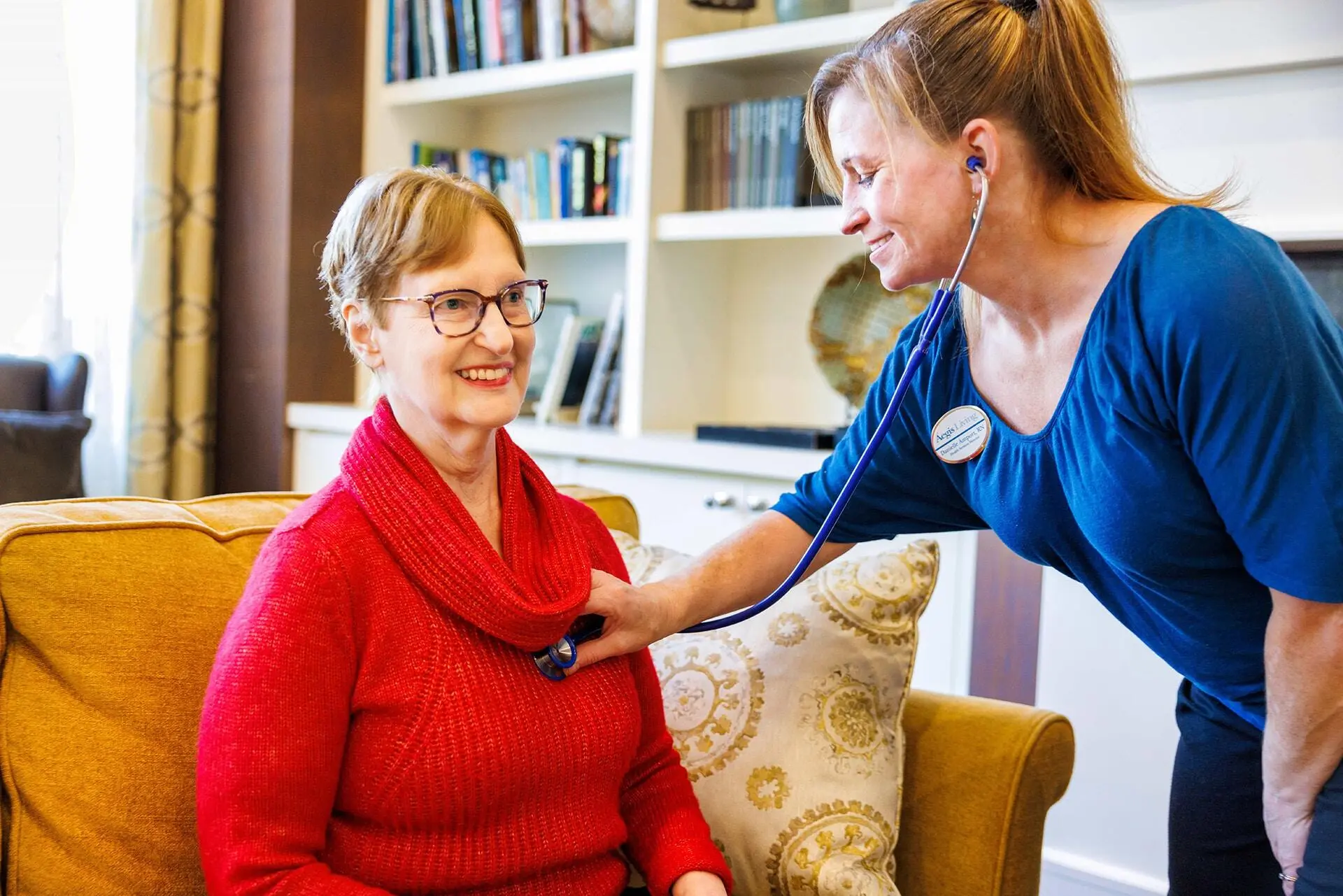




Respite Stays & Day Stays give family caregivers a real break—hours, days, or a few weeks—while your loved one enjoys a safe, enriching short‑term home at Aegis Living. Guests settle into a beautifully furnished private apartment and have 24/7 care staff and onsite nurses, medication management, and discreet safety technology (motion sensors, medical‑alert pendants, visitor check‑in) for peace of mind. Each day feels purposeful with chef‑prepared, all‑day dining and 200+ monthly activities—from book clubs and fitness classes to movie nights—plus full use of the community. We coordinate with your loved one’s physicians to mirror their routines and care, so the stay feels familiar. It’s also a smart trial run for senior living: meet neighbors, test services, and see what supported independence looks like—without a long‑term commitment. Choose a Respite Stay when you’re traveling or need time to recharge, when your loved one would benefit from structure, social connection, and great meals, or when you both want peace of mind while keeping options open.
Hospice & End‑of‑Life Care at Aegis Living is comfort‑first support for the final stage of life, delivered in your loved one’s private apartment by our 24/7 care team in coordination with a trusted local hospice provider you choose (or we can recommend). Together, we create a coordinated care plan that manages pain and other symptoms, oversees medications, and provides calm, dignified help with daily needs, while offering compassionate emotional support for both resident and family. Discreet safety measures and a reliable medical‑alert system bring help quickly; chef‑prepared, in‑apartment meals adapt to changing appetites. Families are guided through decisions and moments of closure so they can focus on being present in a peaceful, home‑like setting. If your loved one already lives at Aegis, they can remain in the comfort of their home, avoiding disruptive moves. Choose this level of care when curative treatment is no longer the goal and you want expert symptom control, hands‑on daily support, and a setting that protects dignity and prioritizes comfort, meaning, and time together.
Memory Care is specialized, secure support for people living with Alzheimer’s or other dementias who benefit from a calm, structured environment and round‑the‑clock expertise. At Aegis Living, that care happens in Life’s Neighborhood—an intimate, thoughtfully designed setting where 24/7 dementia‑trained caregivers and a nursing team on site seven days a week deliver personalized help with daily living, medication management, and mobility (including Hoyer lifts and two‑person transfers), while gently redirecting agitation and confusion. Days are purpose‑filled with science‑based cognitive programming, certified music therapy, and social activities; chef‑prepared meals are easy to enjoy and dining spaces and cues are designed for memory support. Discreet safety features like secured entrances, emergency pendants with fall detection, and optional motion sensors, prevent wandering and bring peace of mind, and visiting physicians and wellness professionals reduce trips off‑site. Families receive education and ongoing support. If your loved one is unsafe alone, missing medications, wandering, needs frequent cueing or hands‑on help with bathing or dressing, or thrives with a predictable routine, Memory Care offers the right level of care. For milder needs, our transitional Assisted Living can be a first step; for advancing symptoms, secured Memory Care provides the specialized, heartfelt support to help them feel calm, connected, and at home.