
Is It Just a Senior Moment—or Something More?
Not all memory loss is dementia. Learn how to tell the difference between normal age-related forgetfulness and when it may be time to speak with a doctor. Includes checklist and…

Most families don’t wake up one morning and decide it’s time for long-term care. It happens gradually. A few misplaced items. A confusing phone call. A growing unease you can’t quite explain. At first, these signs may seem harmless—just “normal aging.” But over time, they form a pattern that can no longer be ignored.
When memory loss progresses to the point of affecting safety, independence, or quality of life, it may be time to consider a long-term care setting designed specifically to support individuals with cognitive decline.
Here are seven of the most significant signs that your loved one may be ready for long-term care.
1. Memory Loss That Affects Day-to-Day Living
Forgetfulness is a normal part of aging, but when it starts interfering with daily life, it’s a sign that something more serious may be occurring. Your loved one may forget to pay bills, miss scheduled appointments, or misplace essential items like keys or medications. They may ask the same question repeatedly or tell the same story multiple times in a short span.
Watch for:
When these lapses become routine rather than occasional, it may be time to consider a new level of care and structure.
2. Changes in Personality, Mood, or Social Engagement
Dementia can cause shifts in how a person thinks, feels, and interacts with others. You may notice that your loved one seems more anxious, irritable, or emotionally volatile. They may no longer enjoy the activities or social connections that once brought them joy, or they may withdraw completely from social situations out of confusion or fear.
Warning signs include:
These changes can be distressing for families and may indicate that your loved one no longer feels confident navigating their world alone. What may appear as mood swings or withdrawal is often your loved one expressing fear, discomfort, or an inability to communicate clearly. Understanding these shifts as emotional responses—not just personality changes—can help you respond with more patience and empathy.
3. Difficulty Managing Hygiene or Personal Care
Personal care requires attention to multiple steps and routines—getting dressed, brushing teeth, bathing, or using the restroom. As memory loss progresses, these daily habits may become overwhelming or confusing, leading to a decline in hygiene and appearance.
Look for:
If your loved one begins avoiding basic hygiene or can no longer perform self-care without prompting, it may reflect a growing need for support.
4. Increased Safety Risks or Accidents
Cognitive decline can lead to impaired judgment and a lack of awareness about risks. You might start to see accidents that never used to happen or hear stories that raise red flags about your loved one’s safety at home or in the community. What used to be minor forgetfulness can evolve into a serious safety hazard.
Red flags:
Even a single serious safety incident can change the equation when evaluating whether your loved one is safe living independently.
5. Difficulty Managing Medications and Health Conditions
Managing prescriptions can be a challenge even for cognitively healthy adults. But for someone experiencing memory loss, the complexity of multiple medications and dosing schedules can quickly become unmanageable—and dangerous.
Signs include:
If your loved one is making frequent medication errors or their health seems to be declining without a clear reason, oversight and daily assistance may be necessary.
6. Disorientation About Time or Place
One of the hallmark symptoms of dementia is a growing confusion about time and place. Someone who was once punctual and organized may now forget what day it is or become confused about where they are (even in familiar surroundings), lose track of seasons, or believe they’re living in a different decade.
Common indicators:
This kind of disorientation can be deeply unsettling for both the individual and their family. When it starts to interfere with daily life or create safety concerns, it may be time to seek the stability and reassurance that long-term care can provide.
7. Caregiver Burnout or Family Stress
Sometimes, the biggest sign that long-term care is needed comes from those providing it. Caring for someone with memory loss can be emotionally exhausting and all-consuming. And while love fuels your desire to help, there comes a point when professional support becomes essential.
Signs of caregiver strain include:
When caregiving becomes unsustainable, it’s not a failure—it’s a signal that professional help is needed to maintain everyone’s well-being.
The Benefits of Long-Term Care for Memory Loss
Most importantly, long-term care allows families to reconnect in more meaningful ways, focusing on love, presence, and shared time rather than logistics and worry. In these environments, your loved one isn’t just supported physically—they’re surrounded by a team that understands how to affirm their identity, foster connection, and meet them where they are with dignity and grace.
You’re Not Alone
Recognizing these signs in someone you love is hard. It may bring up grief, guilt, fear—or all three. But it can also bring clarity. Long-term memory care offers more than medical support. It offers structure, safety, social connection, and dignity for people navigating the complex path of cognitive decline.
Whether you’re seeing one sign or several, trust your instincts. If something feels off, it’s worth exploring. Early conversations lead to better outcomes for everyone involved.
As dementia educator Teepa Snow—who frequently speaks at Aegis Living communities—has noted, many families still struggle to talk about what dementia truly means, let alone what to do about it. She put it this way: “Dementia is what cancer was 10-15 years ago, where nobody wanted to talk about ‘the big C.’ Now, nobody wants to talk about ‘the big D.’ But once we get on the other side of that, we can make progress.”
The first step is simply being willing to look—and listen.

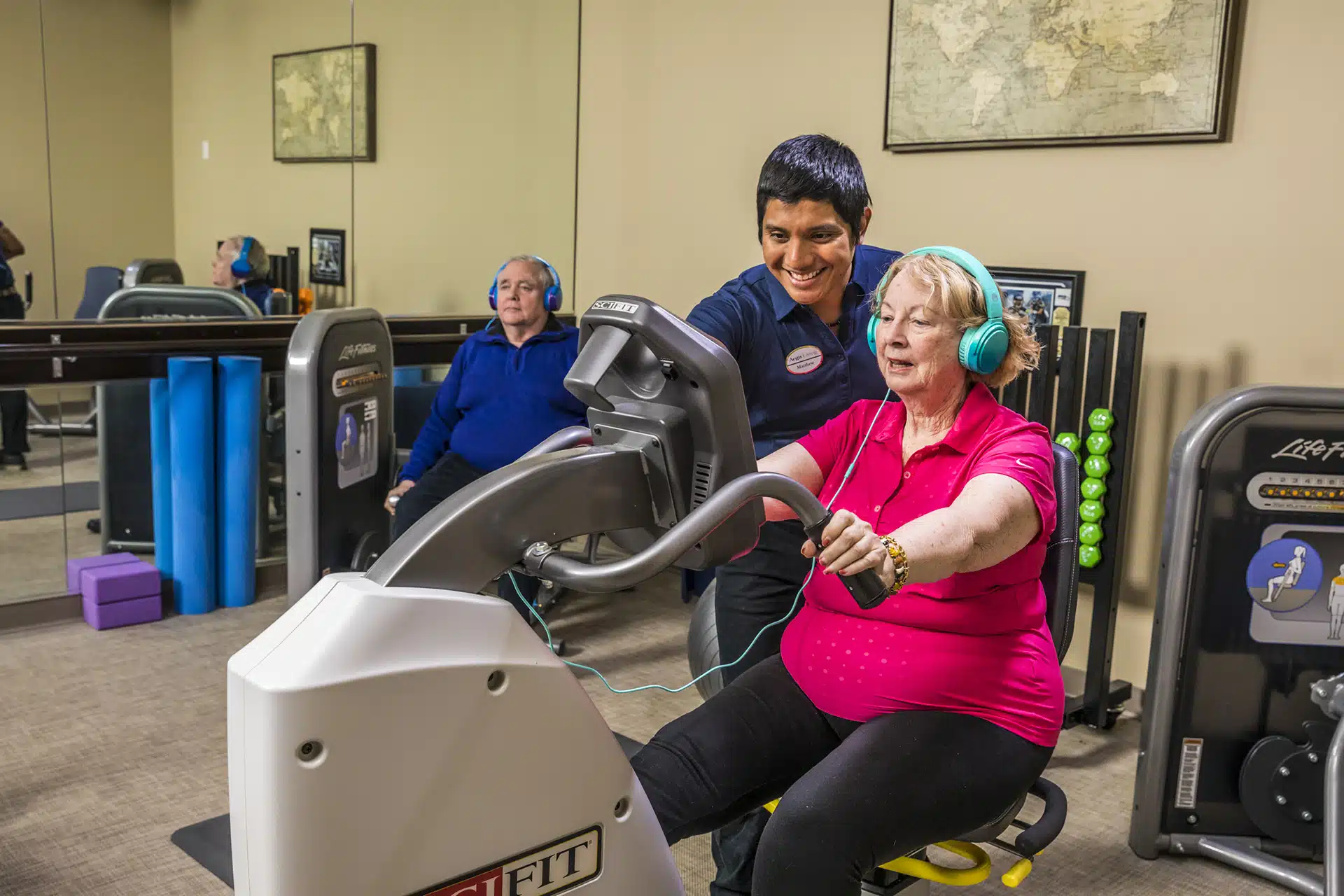



Respite Stays & Day Stays give family caregivers a real break—hours, days, or a few weeks—while your loved one enjoys a safe, enriching short‑term home at Aegis Living. Guests settle into a beautifully furnished private apartment and have 24/7 care staff and onsite nurses, medication management, and discreet safety technology (motion sensors, medical‑alert pendants, visitor check‑in) for peace of mind. Each day feels purposeful with chef‑prepared, all‑day dining and 200+ monthly activities—from book clubs and fitness classes to movie nights—plus full use of the community. We coordinate with your loved one’s physicians to mirror their routines and care, so the stay feels familiar. It’s also a smart trial run for senior living: meet neighbors, test services, and see what supported independence looks like—without a long‑term commitment. Choose a Respite Stay when you’re traveling or need time to recharge, when your loved one would benefit from structure, social connection, and great meals, or when you both want peace of mind while keeping options open.
Hospice & End‑of‑Life Care at Aegis Living is comfort‑first support for the final stage of life, delivered in your loved one’s private apartment by our 24/7 care team in coordination with a trusted local hospice provider you choose (or we can recommend). Together, we create a coordinated care plan that manages pain and other symptoms, oversees medications, and provides calm, dignified help with daily needs, while offering compassionate emotional support for both resident and family. Discreet safety measures and a reliable medical‑alert system bring help quickly; chef‑prepared, in‑apartment meals adapt to changing appetites. Families are guided through decisions and moments of closure so they can focus on being present in a peaceful, home‑like setting. If your loved one already lives at Aegis, they can remain in the comfort of their home, avoiding disruptive moves. Choose this level of care when curative treatment is no longer the goal and you want expert symptom control, hands‑on daily support, and a setting that protects dignity and prioritizes comfort, meaning, and time together.
Memory Care is specialized, secure support for people living with Alzheimer’s or other dementias who benefit from a calm, structured environment and round‑the‑clock expertise. At Aegis Living, that care happens in Life’s Neighborhood—an intimate, thoughtfully designed setting where 24/7 dementia‑trained caregivers and a nursing team on site seven days a week deliver personalized help with daily living, medication management, and mobility (including Hoyer lifts and two‑person transfers), while gently redirecting agitation and confusion. Days are purpose‑filled with science‑based cognitive programming, certified music therapy, and social activities; chef‑prepared meals are easy to enjoy and dining spaces and cues are designed for memory support. Discreet safety features like secured entrances, emergency pendants with fall detection, and optional motion sensors, prevent wandering and bring peace of mind, and visiting physicians and wellness professionals reduce trips off‑site. Families receive education and ongoing support. If your loved one is unsafe alone, missing medications, wandering, needs frequent cueing or hands‑on help with bathing or dressing, or thrives with a predictable routine, Memory Care offers the right level of care. For milder needs, our transitional Assisted Living can be a first step; for advancing symptoms, secured Memory Care provides the specialized, heartfelt support to help them feel calm, connected, and at home.