Protecting Your Brain: Lifestyle Changes That May Prevent Dementia
Discover 12 proven strategies to reduce your risk of Alzheimer’s and dementia, from exercise and sleep to social connection and mental health.


You learn from a young age the importance of drinking enough water every day. Staying hydrated is essential for balancing bodily fluids, cleansing the body of toxins and maintaining bowel function, but for people with Alzheimer’s, water’s effects on the brain may be the most important. A young and healthy brain cannot function properly without enough water, and people with this dementia can suffer even more greatly as a lack of liquids can cause symptoms to worsen. Dehydration and Alzheimer’s are a dangerous combination.
Aegis Living understands how essential it is to avoid dehydration among seniors – each assisted living community takes action with this information by putting initiatives into effect to ensure that residents keep their brains well hydrated. Learn more about keeping seniors hydrated and how Aegis works to promote hydration:
About three-fourths of the brain is made up of water, and the organ requires an ample supply of the liquid to work at peak capacity. Gray matter actually shrinks, and consistent dehydration can cause the brain to age more quickly than normal. It’s a growing concern among older adults in general, and government research shows that dehydration is one of the primary reasons that people 65 and older are sent to the emergency room.
For a person who has trouble remembering or often feels disoriented, even mild dehydration can be detrimental to his or her health and quality of life. A lack of water can aggravate symptoms of dementia, causing mental fatigue, sudden changes in mood, confusion and trouble processing information as well as nausea, loss of balance and headache. In severe cases, it can lead to heat stroke and unconsciousness. A well hydrated brain, on the other hand, benefits from enhanced concentration, memory function maintenance, mood balance and even better sleep quality. Water is also essential for heart health and muscle and joint function, all of which are necessary for staying physically active – another way to keep the brain oxygenated and sharp.
Unfortunately, people with dementia are at a heightened risk of becoming dehydrated. They may simply forget to drink, and some have trouble communicating their needs to their caregivers. Additionally, certain medications can decrease the body’s levels of liquids. Seniors with incontinence issues have even purposefully avoided drinking in order to urinate less often. It doesn’t help that, as people get older, their sense of thirst gradually diminishes.
Since signs and symptoms of dehydration in individuals with Alzheimer’s are similar to those of dementia, unknowing caregivers too often overlook dehydration as simply the effects of the condition. But the staff at Aegis Living are trained to recognize dehydration. Along with experiencing enhanced dementia symptoms, seniors may have dry mouth, fatigue, muscle weakness, lightheadedness, dizziness and rapid breathing as well as low urine output or yellow urine.
Knowing how to spot dehydration is great, but avoiding it altogether is the real goal at Aegis Living. The Alzheimer’s Association recommends keeping those with Alzheimer’s hydrated by making fluids easily accessible. That’s why there are hydration stations located throughout each assisted living center, making water accessible to seniors at all hours of the day. These beverages are made more attractive for seniors with natural flavors such as slices of lemon and strawberry. Additionally, there are visible notes that remind residents to drink at least 8 ounces of water five times per day.
Aegis Living also makes staying hydrated fun and delicious in other ways. For example, the assisted living leader teamed up with Michele Clarke-Mason, previously a nutritionist for the Seattle Seahawks, to come up with an engaging way to quench thirst. She developed a healthy smoothie that not only provides nutrients and liquids to the body but also enhances brain health. The Stealthy Green Smoothie combines essential antioxidants with the natural superfood kale, among other ingredients, to create an anti-inflammatory effect and building blocks for minerals and neurotransmitters that enhance brain function.
Keeping residents quenched is just one of the many ways that Aegis Living strives to boost cognitive wellness. Each community ensures that seniors eat a balanced diet for optimal mental function. By incorporating brain-boosting superfoods, such as salmon, blueberries and whole grains, into meals, communities aim to enhance quality of life by keeping the mind alert and body healthy.

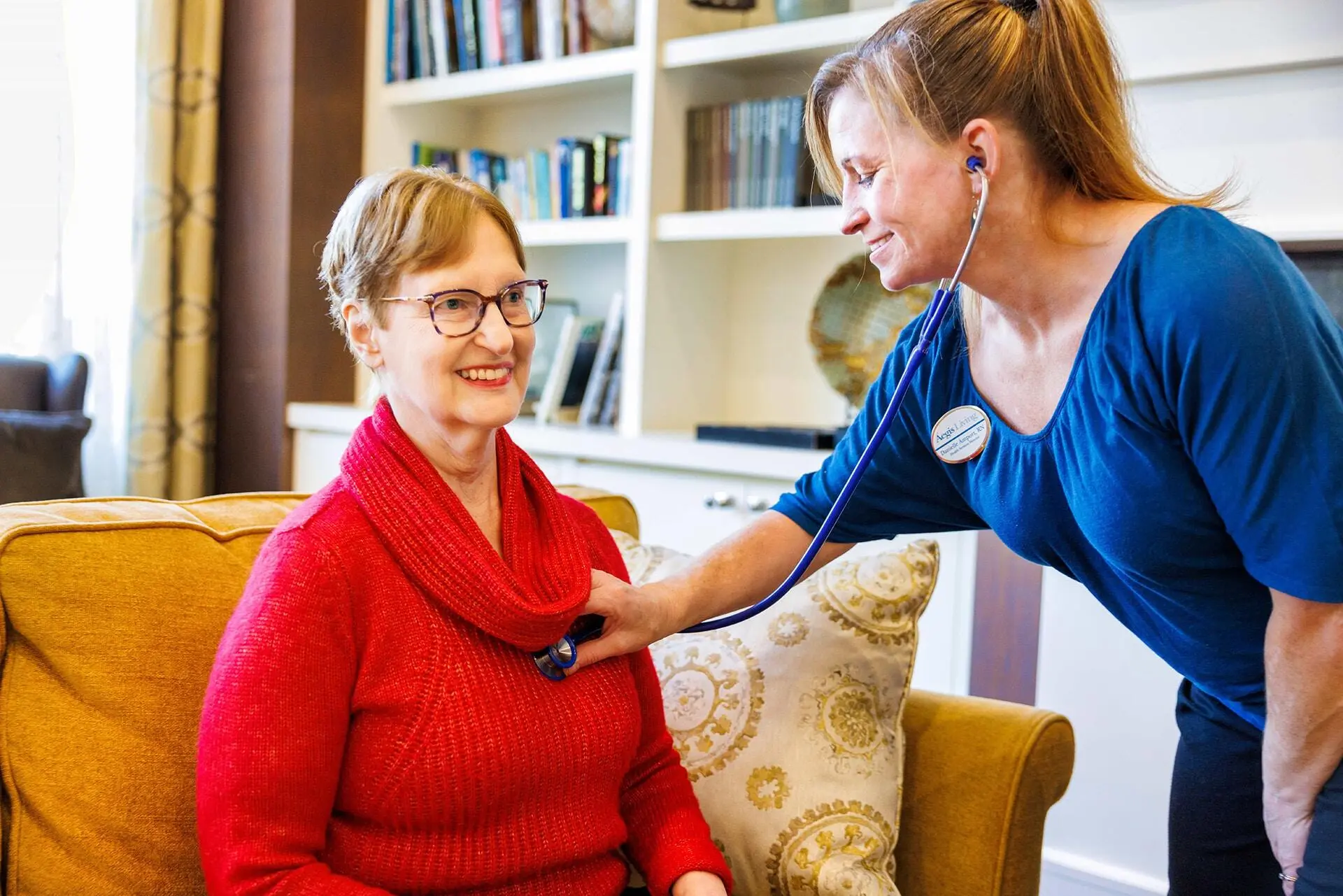



Respite Stays & Day Stays give family caregivers a real break—hours, days, or a few weeks—while your loved one enjoys a safe, enriching short‑term home at Aegis Living. Guests settle into a beautifully furnished private apartment and have 24/7 care staff and onsite nurses, medication management, and discreet safety technology (motion sensors, medical‑alert pendants, visitor check‑in) for peace of mind. Each day feels purposeful with chef‑prepared, all‑day dining and 200+ monthly activities—from book clubs and fitness classes to movie nights—plus full use of the community. We coordinate with your loved one’s physicians to mirror their routines and care, so the stay feels familiar. It’s also a smart trial run for senior living: meet neighbors, test services, and see what supported independence looks like—without a long‑term commitment. Choose a Respite Stay when you’re traveling or need time to recharge, when your loved one would benefit from structure, social connection, and great meals, or when you both want peace of mind while keeping options open.
Hospice & End‑of‑Life Care at Aegis Living is comfort‑first support for the final stage of life, delivered in your loved one’s private apartment by our 24/7 care team in coordination with a trusted local hospice provider you choose (or we can recommend). Together, we create a coordinated care plan that manages pain and other symptoms, oversees medications, and provides calm, dignified help with daily needs, while offering compassionate emotional support for both resident and family. Discreet safety measures and a reliable medical‑alert system bring help quickly; chef‑prepared, in‑apartment meals adapt to changing appetites. Families are guided through decisions and moments of closure so they can focus on being present in a peaceful, home‑like setting. If your loved one already lives at Aegis, they can remain in the comfort of their home, avoiding disruptive moves. Choose this level of care when curative treatment is no longer the goal and you want expert symptom control, hands‑on daily support, and a setting that protects dignity and prioritizes comfort, meaning, and time together.
Memory Care is specialized, secure support for people living with Alzheimer’s or other dementias who benefit from a calm, structured environment and round‑the‑clock expertise. At Aegis Living, that care happens in Life’s Neighborhood—an intimate, thoughtfully designed setting where 24/7 dementia‑trained caregivers and a nursing team on site seven days a week deliver personalized help with daily living, medication management, and mobility (including Hoyer lifts and two‑person transfers), while gently redirecting agitation and confusion. Days are purpose‑filled with science‑based cognitive programming, certified music therapy, and social activities; chef‑prepared meals are easy to enjoy and dining spaces and cues are designed for memory support. Discreet safety features like secured entrances, emergency pendants with fall detection, and optional motion sensors, prevent wandering and bring peace of mind, and visiting physicians and wellness professionals reduce trips off‑site. Families receive education and ongoing support. If your loved one is unsafe alone, missing medications, wandering, needs frequent cueing or hands‑on help with bathing or dressing, or thrives with a predictable routine, Memory Care offers the right level of care. For milder needs, our transitional Assisted Living can be a first step; for advancing symptoms, secured Memory Care provides the specialized, heartfelt support to help them feel calm, connected, and at home.