
Meaningful Care Without Medication: Holistic Approaches to Dementia
Learn how therapies like music, movement, reminiscence, and cognitive stimulation can help manage dementia symptoms and improve daily life—no prescription required.


Is your elderly parent finally committed to kicking their smoking habit? As their caregiver, and partner with them on this journey, you can be instrumental in helping them quit smoking and improving their health. You are never too old to quit! Try these strategies to support your senior loved one and keep them motivated.
Break from the Routine. Most smokers have a routine of times, places, and even social situations in which they smoke. Breaking this routine is important. If they typically smoked in front of the television, consider moving the furniture for a fresh outlook or relocate the table where they drink their first cup of coffee. Change the time of the day in which you eat or the restaurants that you typically would frequent. Consider going out to a movie or visiting friends to break them out of their routine and distract them from wanting a cigarette.
Remove Obstacles. Eliminate the obstacles from the house that may make them relapse or remind them of smoking. Remove ashtrays, matches, lighters, cigarette cases, and of course, cigarettes. Thoroughly clean the house of anything that may have absorbed the smell of smoke–curtains, clothing, rugs, blankets, bedding, linens, and upholstery.
Get Help. You do not have to go through this on your own. A person is much more likely to succeed at quitting smoking if they feel supported, so ask your family and friends for help. Consult with their physician to see if they can assist as they quit smoking with resources or medications. Look for support groups in your local community or visit SmokeFree60Plus, a website for older adults who want to quit smoking from the National Cancer Institute.
Keep Them Motivated. Make positive signs and place encouraging notes around their home to remind your loved one of their goals. Share this good news with them: Your risk of heart attack decreases after three months of not smoking, and after one year, the risk of heart disease drops to that of a non-smoker! And as they successfully progress, celebrate and mark their milestones.
Walk It Off. When the nicotine cravings hit, take a walk with them. Breathing in the clean air and getting some exercise will remind them of how less fatigued they are now. Distracting them from their craving and supporting them while they transition through this time is invaluable.
Add Healthier Habits. Find ways that you can replace their smoking habit with healthier alternatives. Perhaps they would enjoy taking an exercise class like chair yoga or tai chi to experience their newly found energy. Meditation can be an excellent way to focus on healthy change and naturally calm your mind. Many people associate smoking with drinking alcohol, so limit their alcohol consumption.
Remember It’s Tough. For someone who has been smoking for a long time, smoking is a part of their everyday life, and it may be difficult for them to let it go. Your loved one may be in a bad mood some days and find this extremely hard. Be loving and patient with them. Avoid losing your temper, scolding them, passing judgment, or any other detrimental behaviors that can hurt their feelings or damage their self-confidence.
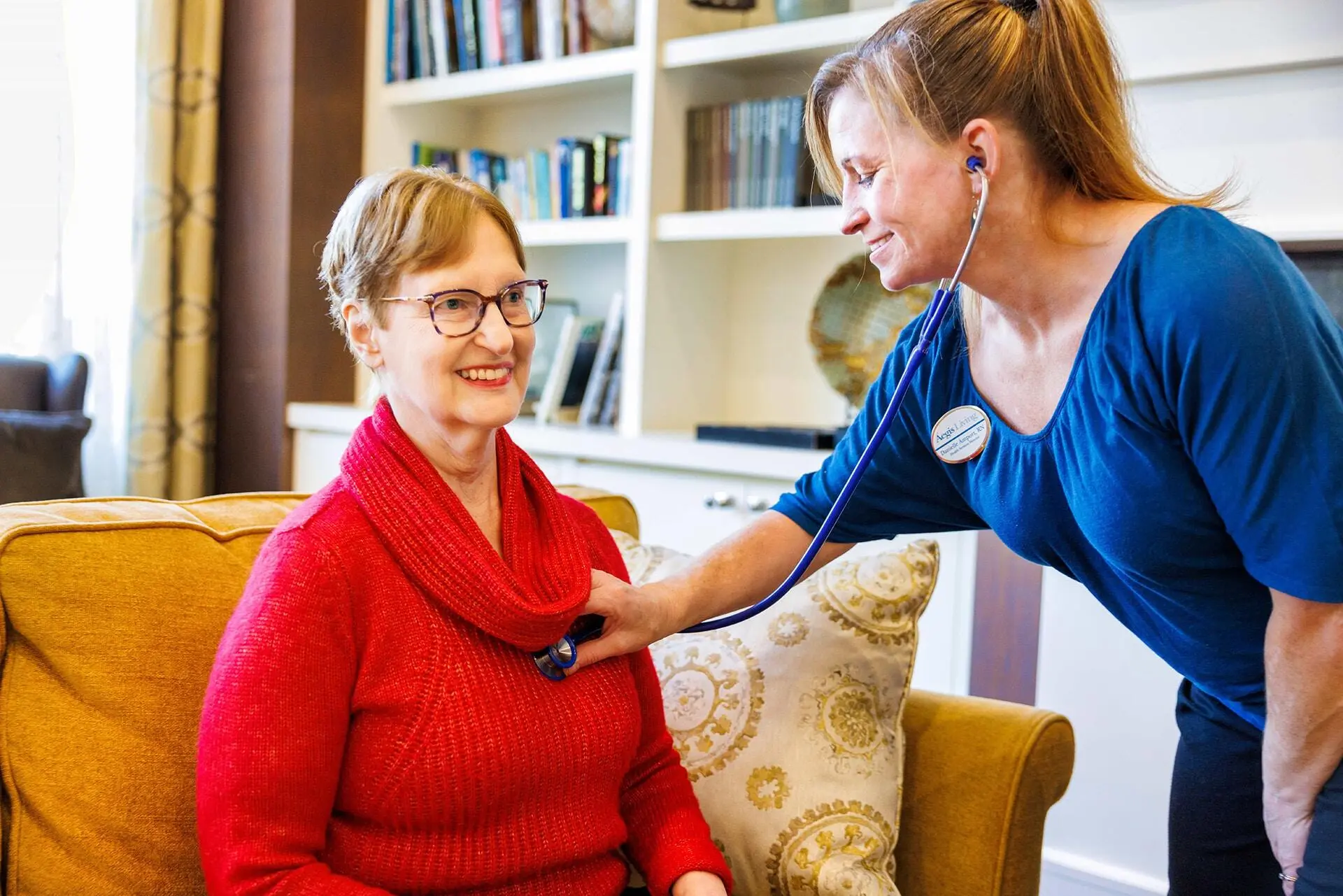




Respite Stays & Day Stays give family caregivers a real break—hours, days, or a few weeks—while your loved one enjoys a safe, enriching short‑term home at Aegis Living. Guests settle into a beautifully furnished private apartment and have 24/7 care staff and onsite nurses, medication management, and discreet safety technology (motion sensors, medical‑alert pendants, visitor check‑in) for peace of mind. Each day feels purposeful with chef‑prepared, all‑day dining and 200+ monthly activities—from book clubs and fitness classes to movie nights—plus full use of the community. We coordinate with your loved one’s physicians to mirror their routines and care, so the stay feels familiar. It’s also a smart trial run for senior living: meet neighbors, test services, and see what supported independence looks like—without a long‑term commitment. Choose a Respite Stay when you’re traveling or need time to recharge, when your loved one would benefit from structure, social connection, and great meals, or when you both want peace of mind while keeping options open.
Hospice & End‑of‑Life Care at Aegis Living is comfort‑first support for the final stage of life, delivered in your loved one’s private apartment by our 24/7 care team in coordination with a trusted local hospice provider you choose (or we can recommend). Together, we create a coordinated care plan that manages pain and other symptoms, oversees medications, and provides calm, dignified help with daily needs, while offering compassionate emotional support for both resident and family. Discreet safety measures and a reliable medical‑alert system bring help quickly; chef‑prepared, in‑apartment meals adapt to changing appetites. Families are guided through decisions and moments of closure so they can focus on being present in a peaceful, home‑like setting. If your loved one already lives at Aegis, they can remain in the comfort of their home, avoiding disruptive moves. Choose this level of care when curative treatment is no longer the goal and you want expert symptom control, hands‑on daily support, and a setting that protects dignity and prioritizes comfort, meaning, and time together.
Memory Care is specialized, secure support for people living with Alzheimer’s or other dementias who benefit from a calm, structured environment and round‑the‑clock expertise. At Aegis Living, that care happens in Life’s Neighborhood—an intimate, thoughtfully designed setting where 24/7 dementia‑trained caregivers and a nursing team on site seven days a week deliver personalized help with daily living, medication management, and mobility (including Hoyer lifts and two‑person transfers), while gently redirecting agitation and confusion. Days are purpose‑filled with science‑based cognitive programming, certified music therapy, and social activities; chef‑prepared meals are easy to enjoy and dining spaces and cues are designed for memory support. Discreet safety features like secured entrances, emergency pendants with fall detection, and optional motion sensors, prevent wandering and bring peace of mind, and visiting physicians and wellness professionals reduce trips off‑site. Families receive education and ongoing support. If your loved one is unsafe alone, missing medications, wandering, needs frequent cueing or hands‑on help with bathing or dressing, or thrives with a predictable routine, Memory Care offers the right level of care. For milder needs, our transitional Assisted Living can be a first step; for advancing symptoms, secured Memory Care provides the specialized, heartfelt support to help them feel calm, connected, and at home.