Sleep is one of the most underrated aspects of our well-being, especially during our senior years. Having a restless night every once and a while is completely normal for most people. However, a prolonged period without a good night’s rest can have a major impact on overall wellness, and it may have do with our internal clocks.
“Later in life there tends to be a decrease in the number of hours slept,” Dr. Karen Carlson, associate professor of medicine at Harvard Medical School and director of Women’s Health Associates at Massachusetts General Hospital, explained. “There are also some changes in the way the body regulates circadian rhythms.”
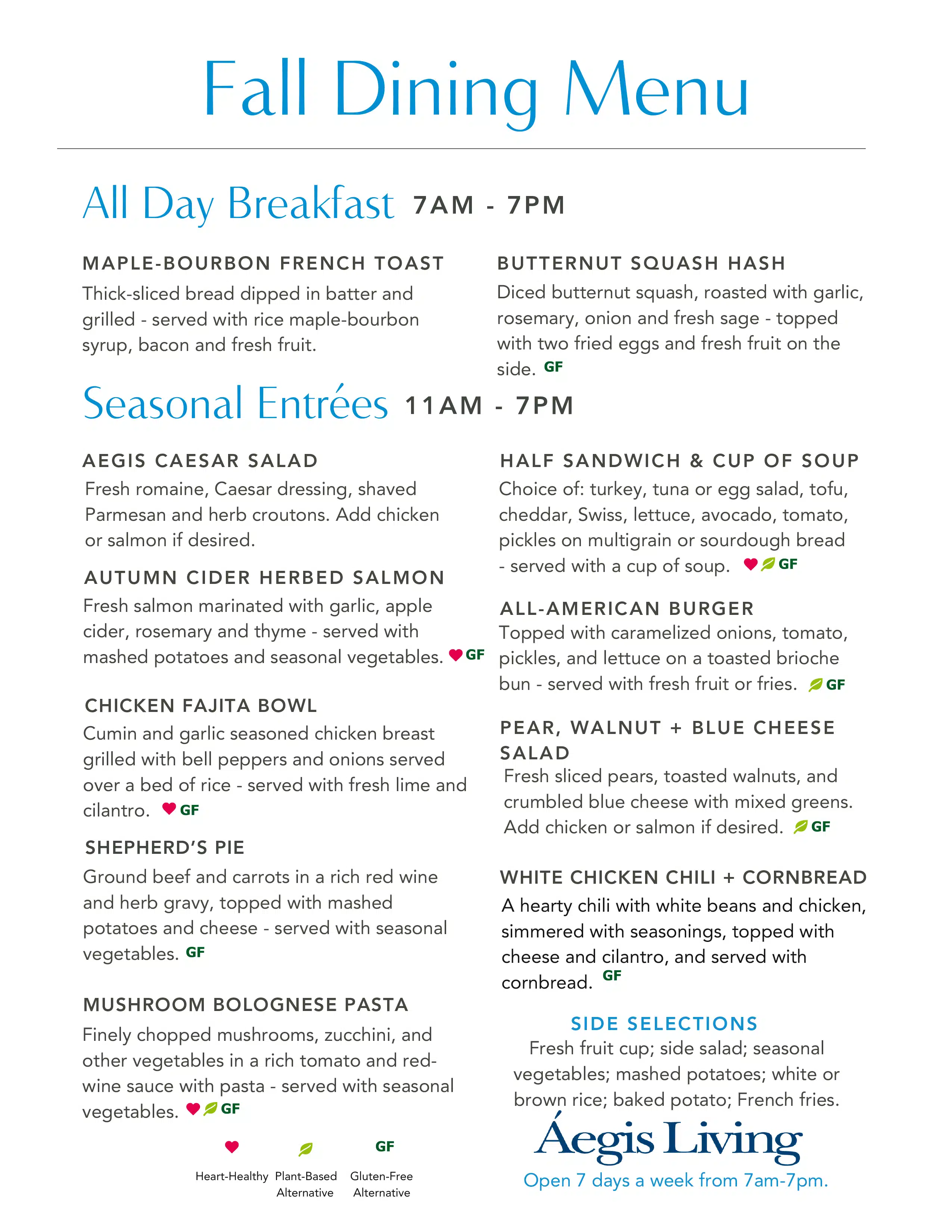
While everyone’s sleep patterns are different, it’s important that your parent stays alert throughout the day and gradually grows sleepy toward nighttime. According to the National Sleep Foundation, food and sleepiness are interconnected more than you may think. Certain amino acids in foods can cause sleepiness or alertness, so it is important that your aging loved one eats balanced meals that won’t slow them down or cause them to become jittery during certain times of the day.
Here are some foods to avoid if your mother wants to enjoy her ZZZs:
Foods with high water content
These can include a wide variety of fruits and veggies, including celery, cucumbers, watermelon and radishes. Although these foods are very healthy, their high concentrations of water can cause your mother to wake up in the middle of the night with a full bladder, according to AARP. This can cause her to want to use the restroom and, in the process, disrupt her sleep schedule.
Alcohol or caffeine
While coffee and some tea may be obvious drink choices that aren’t a wise idea before bed, there are also several foods that contain caffeine, including chocolate. Alcohol can make us feel a bit sleepy at first, but according to Harvard Health Publications, alcohol is actually a stimulant and can create issues with a good night’s rest.
Fatty foods
Your parent should limit fatty foods in their diet so they can maintain a healthy weight, but the time of day they choose to indulge in these meals is important, too. Foods that are very high in fat, such as fried foods and pizza, put a lot of strain on the body and take longer to digest. This means that they can cause discomfort to the digestive system as they try to drift off, thus disturbing sleep patterns.
Spicy dishes
Avoiding spicy foods may help to prevent heartburn, but your mother may not know that these dishes can also affect her ability to enjoy sleep. Meals that pack a lot of heat can raise your core body temperature, which can have an adverse effect on your sleep patterns. If you and your mom want to enjoy a spicy meal together, make sure that you do so for lunch.
Tomatoes
As delicious and healthy as these fruits are, they are loaded with tyramine, according to AARP. This is an amino acid that sends triggers to the brain and releases norepinephrine, which is known to bolster brain activity. While this isn’t exactly a bad thing, it’s probably not the best idea to have your mother’s mind racing right before bed. If she loves tomatoes, make sure that she enjoys them during breakfast and lunch.
Sleep is very important for your senior parent’s overall health – after all, we spend roughly one-third of our lives enjoying slumber. Be sure that they are eating the right foods so they are able to drift off to sleep without any problems.
If your older parent is living in a senior living community speak with their health director to discuss meal options that will help improve sleep.