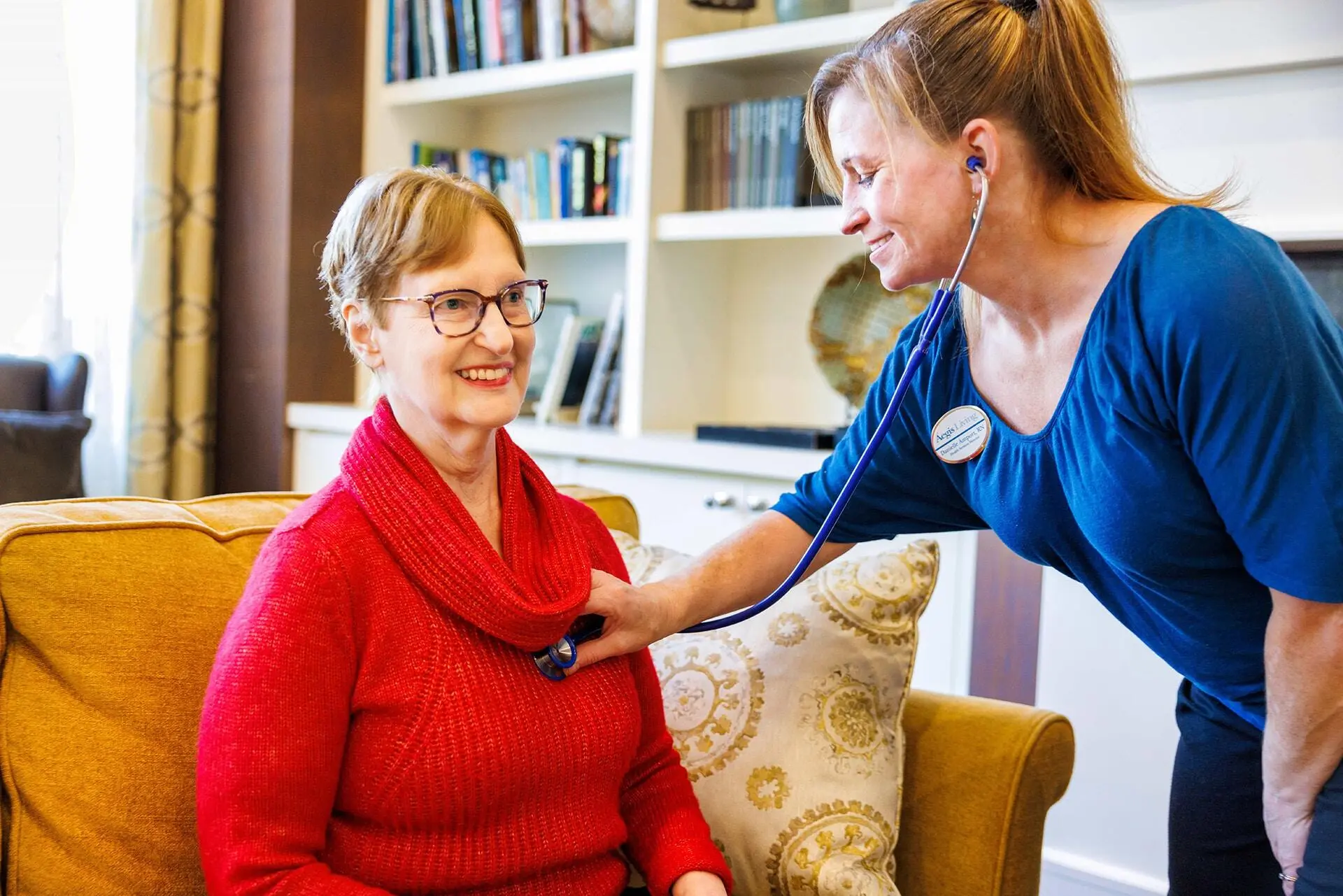
Beyond the Diagnosis: How Medications Can Help with Dementia Care
Learn how medications can support dementia care when non-drug therapies aren’t enough. Explore options, benefits, risks, and coordinated care approaches.
The doctors and researchers on our Coronavirus Advisory Council continue to share the latest insight and guidance, helping to inform how we care for our residents and keep them safe amidst the rapidly evolving COVID-19 landscape. We met with the Council on January 14th and want to share what we heard about early trends coming out of vaccination, new virus variants, and geriatric best practices.
First, hospitals that began vaccinating staff in mid-December are already seeing a significant reduction in positivity rates. While the exact percentage of the effectiveness of the vaccine after one dose is a matter of debate and there is limited data available so far, our medical experts in Geriatrics emphasize the importance of our residents and staff getting both doses—not only to be fully protected themselves but to prevent the virus from mutating further. It is also important to keep your vaccination card that proves you were vaccinated in a safe place, as this may be required in the future for returning to the workplace, getting on a plane, etc.
It may be possible that you carry some virus after vaccination that you can spread to others even if you don’t get COVID yourself. We will know more in the coming months, but in the meantime this is why it is so important to continue to be hyper-vigilant after being vaccinated—wearing a mask, social distancing, and taking other important precautions.
Our Council discussed the ways in which COVID symptoms and treatment differ in older adults. They may not present some of the most common symptoms shown in younger adults, such as fever. Meanwhile, hypoactive delirium, fatigue, and anorexia (decrease in appetite and/or food intake) are important to watch for. It is particularly important during this time to encourage fluids and prevent dehydration. Whether a senior has COVID or not is certainly not the only question; severity of the illness will also determine treatment. One callout was that seniors with mild to moderate symptoms without hypoxia may be eligible for an antibody infusion, which can mitigate the virus’s impact.
The new variants identified in the United Kingdom and South Africa have been shown to be significantly more contagious, and indeed federal health officials are warning that the UK variant could become the dominant variant in the United States by March. The good news is that they are not more severe, and it is believed that the vaccine should still be very effective in protecting against these types of variants. The strain you have also does not affect treatment at this point. However, because this strain spreads especially rapidly, vaccinating rapidly becomes even more imperative. And unfortunately we are likely to continue to see additional variants to come—in fact, there are likely other variants out there already, given that most countries of the world are not sequencing their viruses at all yet.
Dwayne Clark, our founder and CEO, asked our Council to share thoughts on how quickly we could possibly anticipate a return to normalcy. While that is unknown, our Council shared the key variables that will determine the country’s trajectory. First, how quickly we can vaccinate, and to what extent the vaccine protects against transmitting the virus to others. Secondly, how quickly and committedly we move to address future waves of the virus.
At Aegis Living, we are committed to staying close to the latest scientific developments and medical guidance to be the safest possible place for our residents. We will continue to share insights from our Council discussions.



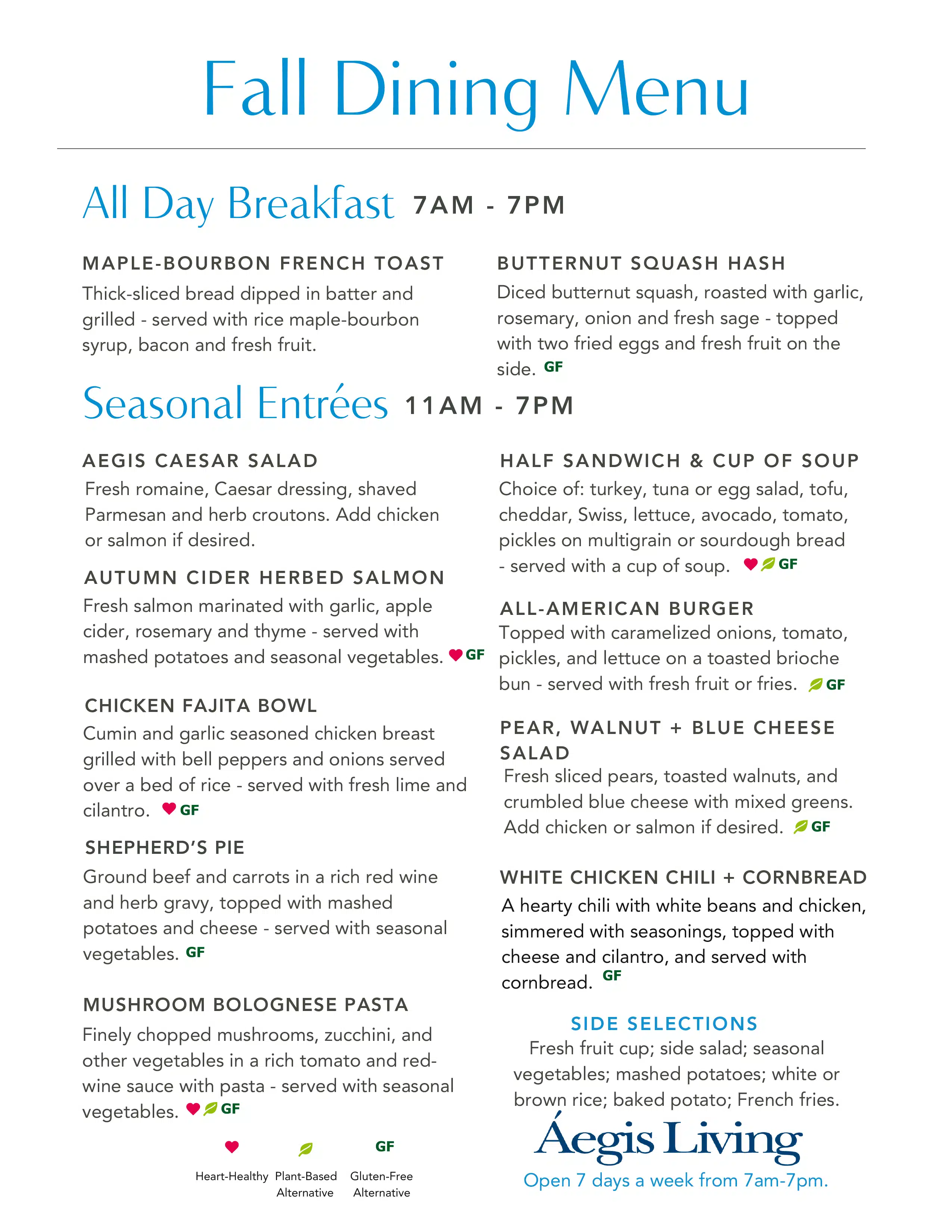
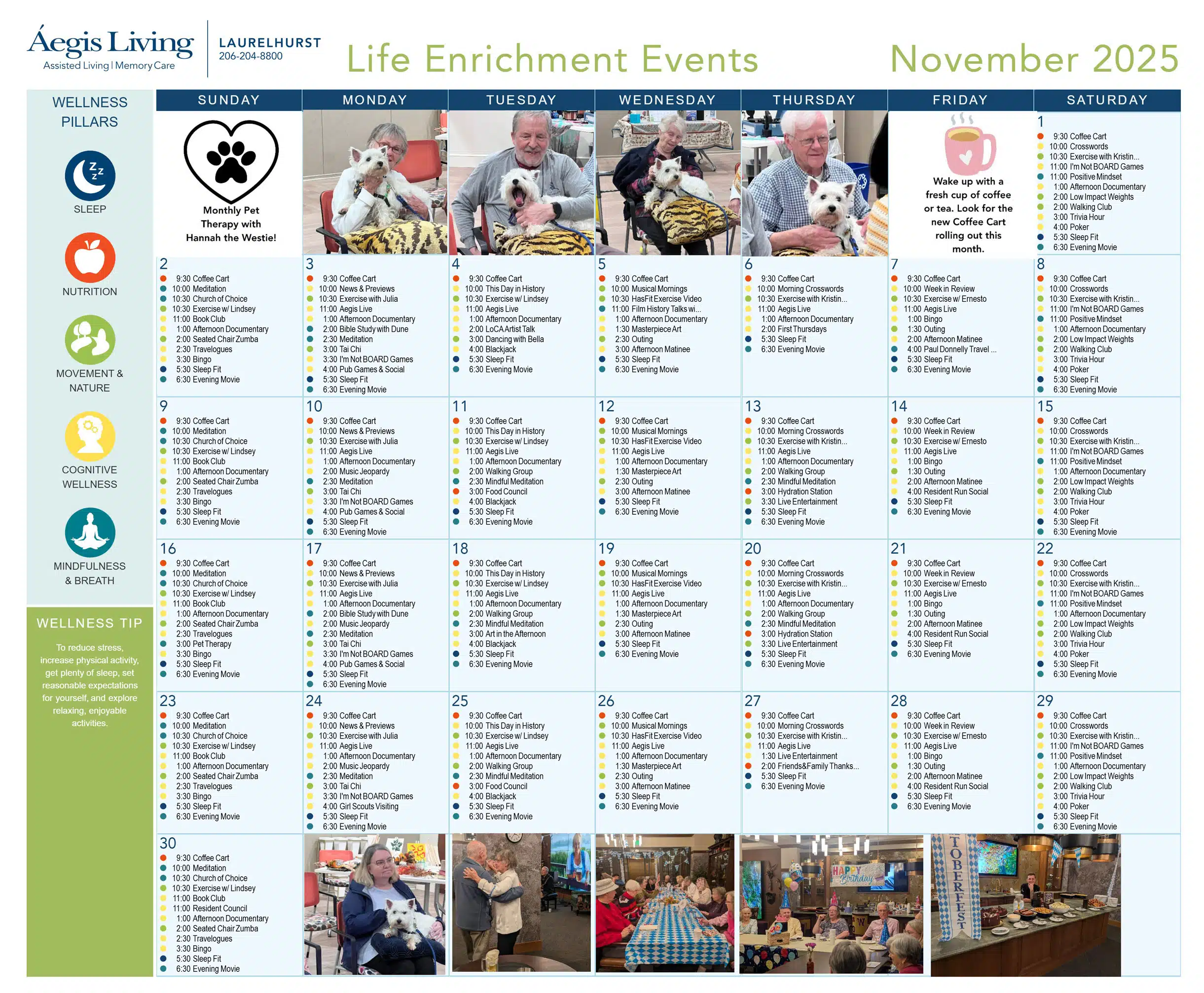
Respite Stays & Day Stays give family caregivers a real break—hours, days, or a few weeks—while your loved one enjoys a safe, enriching short‑term home at Aegis Living. Guests settle into a beautifully furnished private apartment and have 24/7 care staff and onsite nurses, medication management, and discreet safety technology (motion sensors, medical‑alert pendants, visitor check‑in) for peace of mind. Each day feels purposeful with chef‑prepared, all‑day dining and 200+ monthly activities—from book clubs and fitness classes to movie nights—plus full use of the community. We coordinate with your loved one’s physicians to mirror their routines and care, so the stay feels familiar. It’s also a smart trial run for senior living: meet neighbors, test services, and see what supported independence looks like—without a long‑term commitment. Choose a Respite Stay when you’re traveling or need time to recharge, when your loved one would benefit from structure, social connection, and great meals, or when you both want peace of mind while keeping options open.
Hospice & End‑of‑Life Care at Aegis Living is comfort‑first support for the final stage of life, delivered in your loved one’s private apartment by our 24/7 care team in coordination with a trusted local hospice provider you choose (or we can recommend). Together, we create a coordinated care plan that manages pain and other symptoms, oversees medications, and provides calm, dignified help with daily needs, while offering compassionate emotional support for both resident and family. Discreet safety measures and a reliable medical‑alert system bring help quickly; chef‑prepared, in‑apartment meals adapt to changing appetites. Families are guided through decisions and moments of closure so they can focus on being present in a peaceful, home‑like setting. If your loved one already lives at Aegis, they can remain in the comfort of their home, avoiding disruptive moves. Choose this level of care when curative treatment is no longer the goal and you want expert symptom control, hands‑on daily support, and a setting that protects dignity and prioritizes comfort, meaning, and time together.
Memory Care is specialized, secure support for people living with Alzheimer’s or other dementias who benefit from a calm, structured environment and round‑the‑clock expertise. At Aegis Living, that care happens in Life’s Neighborhood—an intimate, thoughtfully designed setting where 24/7 dementia‑trained caregivers and a nursing team on site seven days a week deliver personalized help with daily living, medication management, and mobility (including Hoyer lifts and two‑person transfers), while gently redirecting agitation and confusion. Days are purpose‑filled with science‑based cognitive programming, certified music therapy, and social activities; chef‑prepared meals are easy to enjoy and dining spaces and cues are designed for memory support. Discreet safety features like secured entrances, emergency pendants with fall detection, and optional motion sensors, prevent wandering and bring peace of mind, and visiting physicians and wellness professionals reduce trips off‑site. Families receive education and ongoing support. If your loved one is unsafe alone, missing medications, wandering, needs frequent cueing or hands‑on help with bathing or dressing, or thrives with a predictable routine, Memory Care offers the right level of care. For milder needs, our transitional Assisted Living can be a first step; for advancing symptoms, secured Memory Care provides the specialized, heartfelt support to help them feel calm, connected, and at home.