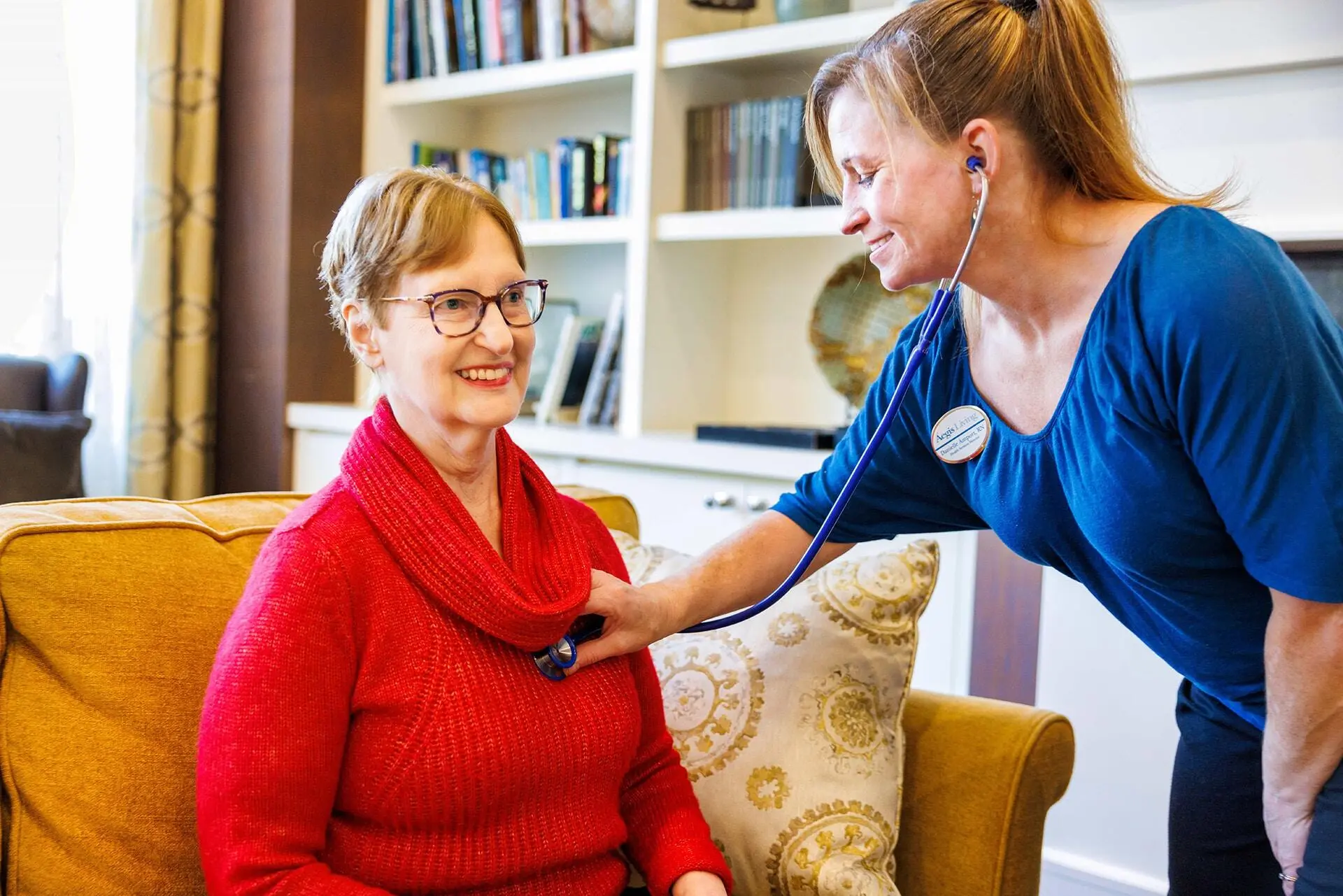
Beyond the Diagnosis: How Medications Can Help with Dementia Care
Learn how medications can support dementia care when non-drug therapies aren’t enough. Explore options, benefits, risks, and coordinated care approaches.


Senior isolation is one of the biggest health threats to elderly Americans that is often overlooked. It can have devastating effects physically, emotionally, and mentally. The British have recognized a loneliness epidemic among their elderly population for years—coined the silent killer. They have launched intense ad campaigns and outreach programs to connect with the forgotten. The UK even appointed a Minister of Loneliness.
In recent years, the U.S. government has begun to explore the effects of senior isolation and loneliness. Research finds that loneliness is a growing epidemic with greater health risks than obesity and as damaging as smoking! Research is also showing, even though we carry our iPhones everywhere, and technology means we are one-click away from connecting with a loved one, that as a society, we are lonelier than ever. And the elderly feel the effects most keenly.
Friends and relatives may pass away, and social circles becomes much smaller. Perhaps your elderly loved one has lost a spouse and is less likely to want to leave the house or feel out of place without their other half. This can leave them feeling not only socially isolated but also emotionally isolated.
Older adults face greater restrictions to being social when they can no longer drive, have mobility issues, difficulty with hearing or following a conversation, or pain and discomfort may make them less likely to take part in social events. Many seniors complain that the quality of their relationships suffer with age. And sometimes, they are embarrassed or feel like the effort is too much. Every person is different, and the reasons they withdraw from others can vary greatly.
Research shows that loneliness has a negative effect compared to chronic stress. Increased levels of stress hormones can raise a senior’s risk for a stroke, heart attack, dementia, and premature mortality. Lonely seniors, not surprisingly, suffer from a higher rate of depression.
Many seniors report engaging in risky behaviors like a poor diet, smoking, or drinking in excess. And lonely people have weaker immune systems. According to Dr. John Cacioppo, a neuroscientist who studied social isolation for the past 30 years, feelings of loneliness are linked to poor cognitive performance, cognitive decline, and a higher risk of dementia.
Offer to Drive. Many seniors feel stranded at home because they no longer drive, and they need assistance to leave their home. If you can offer to provide them a ride to a senior center, family gathering, or an outing with friends, they can stay more connected to their community.
Volunteer Opportunities. Volunteering as a senior is a terrific way to get out of the house and help others. Help your loved one find a cause near them that they are passionate about. Another wonderful way to make friends and to give back is for seniors to volunteer to help other seniors!
Adopt a Pet. If your loved one is an animal lover, help them adopt a pet companion. This may not be right for every senior, so you will need to consider if this will fit their lifestyle. But a furry friend could be a great solution for many lonely seniors.
Technology to Keep in Touch. If you live far away or if you have had a hectic week and cannot visit in person, use Facebook or Skype to be in contact and see your loved one face-to-face. If your loved one is not tech-savvy, a phone call, letter, or card are always appreciated to stay connected.
Close the Generation Gap. Children and teens can play a significant role in providing loving care and attention to lonely grandparents. Ideally, it is wonderful if the younger generation can spend time with the oldest generation in person, but again, phone calls and letters are great options to stay in contact.
Assisted Living. If you cannot break your loved one out of their shell or if they are just not happy or healthy living on their own, assisted living may be a great solution. Assisted living allows your loved one the independence to live in their own apartment within a community of peers who can engage in activities and meals throughout the day. They will regularly interact with care staff, and the community is open to visits by family and friends. Also, most communities provide transportation, a community pet, assistance with the tasks of daily living, and supervision of their physical health, nutrition, medication, and mental well-being.
Aegis Living has communities throughout Washington, California, and one in Las Vegas to serve your loved one.
If you are aware that your loved one is lonely, don’t dismiss your concern. Loneliness can have detrimental effects on a senior’s physical and mental health. Please get involved and help them find resources to allow them to remain socially active and engaged with others. It’s essential for their quality of life and well-being.
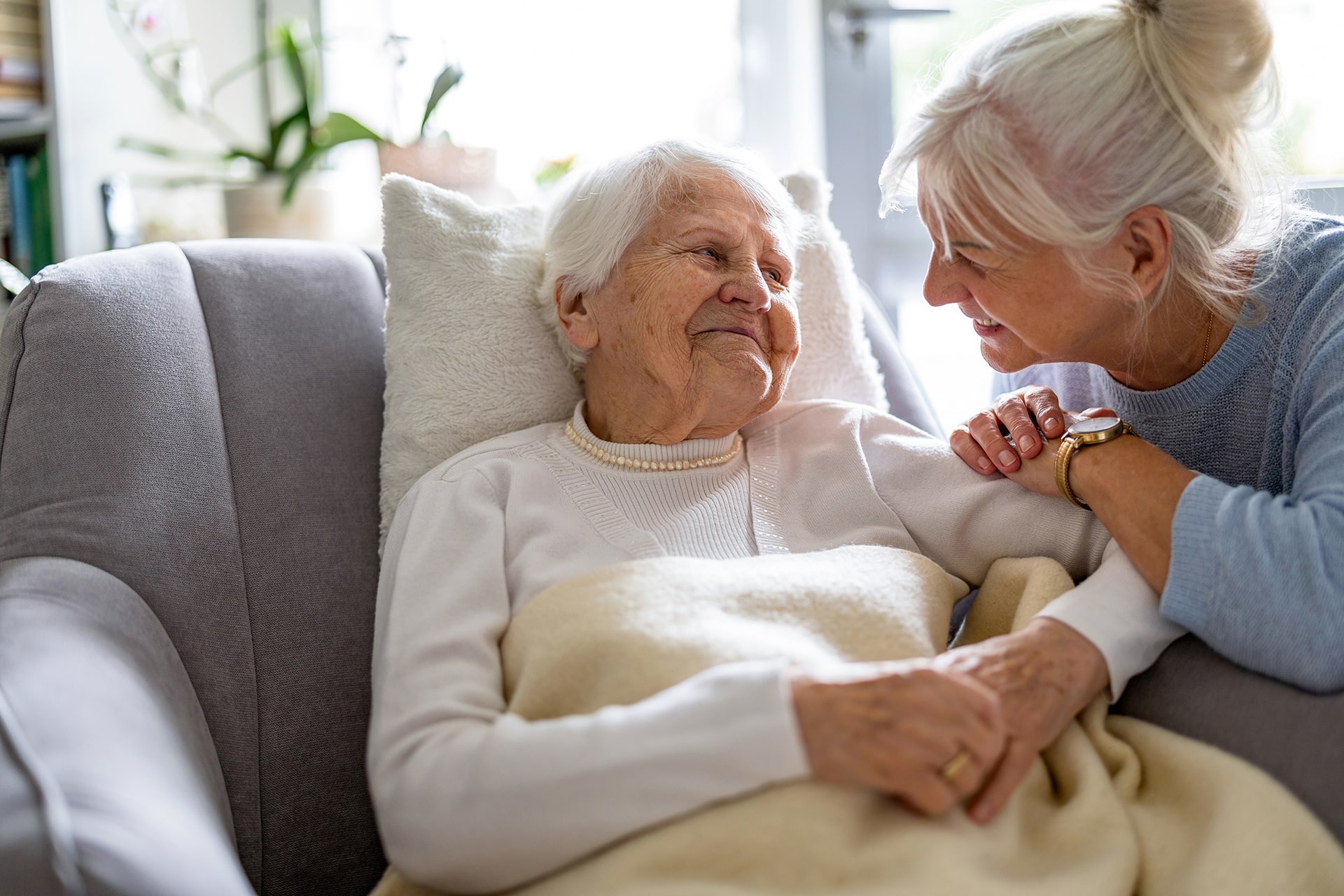




Respite Stays & Day Stays give family caregivers a real break—hours, days, or a few weeks—while your loved one enjoys a safe, enriching short‑term home at Aegis Living. Guests settle into a beautifully furnished private apartment and have 24/7 care staff and onsite nurses, medication management, and discreet safety technology (motion sensors, medical‑alert pendants, visitor check‑in) for peace of mind. Each day feels purposeful with chef‑prepared, all‑day dining and 200+ monthly activities—from book clubs and fitness classes to movie nights—plus full use of the community. We coordinate with your loved one’s physicians to mirror their routines and care, so the stay feels familiar. It’s also a smart trial run for senior living: meet neighbors, test services, and see what supported independence looks like—without a long‑term commitment. Choose a Respite Stay when you’re traveling or need time to recharge, when your loved one would benefit from structure, social connection, and great meals, or when you both want peace of mind while keeping options open.
Hospice & End‑of‑Life Care at Aegis Living is comfort‑first support for the final stage of life, delivered in your loved one’s private apartment by our 24/7 care team in coordination with a trusted local hospice provider you choose (or we can recommend). Together, we create a coordinated care plan that manages pain and other symptoms, oversees medications, and provides calm, dignified help with daily needs, while offering compassionate emotional support for both resident and family. Discreet safety measures and a reliable medical‑alert system bring help quickly; chef‑prepared, in‑apartment meals adapt to changing appetites. Families are guided through decisions and moments of closure so they can focus on being present in a peaceful, home‑like setting. If your loved one already lives at Aegis, they can remain in the comfort of their home, avoiding disruptive moves. Choose this level of care when curative treatment is no longer the goal and you want expert symptom control, hands‑on daily support, and a setting that protects dignity and prioritizes comfort, meaning, and time together.
Memory Care is specialized, secure support for people living with Alzheimer’s or other dementias who benefit from a calm, structured environment and round‑the‑clock expertise. At Aegis Living, that care happens in Life’s Neighborhood—an intimate, thoughtfully designed setting where 24/7 dementia‑trained caregivers and a nursing team on site seven days a week deliver personalized help with daily living, medication management, and mobility (including Hoyer lifts and two‑person transfers), while gently redirecting agitation and confusion. Days are purpose‑filled with science‑based cognitive programming, certified music therapy, and social activities; chef‑prepared meals are easy to enjoy and dining spaces and cues are designed for memory support. Discreet safety features like secured entrances, emergency pendants with fall detection, and optional motion sensors, prevent wandering and bring peace of mind, and visiting physicians and wellness professionals reduce trips off‑site. Families receive education and ongoing support. If your loved one is unsafe alone, missing medications, wandering, needs frequent cueing or hands‑on help with bathing or dressing, or thrives with a predictable routine, Memory Care offers the right level of care. For milder needs, our transitional Assisted Living can be a first step; for advancing symptoms, secured Memory Care provides the specialized, heartfelt support to help them feel calm, connected, and at home.