Visiting a loved one with dementia may present interesting challenges. Depending on what stage they are in their dementia diagnosis, a good day can be a joyful reminder of the loved one you’ve always known, while a bad day can be discouraging. It is important to visit a parent or loved one if they are living in a memory care community. Make it a habit to visit when they’re in their best mood (after a meal, not late in the afternoon if they experience Sundowning.
Another good tip is to recognize the stage of dementia your loved one is in. As dementia progresses, sight, fine motor skills, and verbal skills decline along with cognitive function. Understanding how far along they are will help you focus on what they can do and bring joy to the moment.
The best way to prepare is to arm yourself with knowledge. It’ll allow you to be empathetic to what your mom or dad are experiencing, empowering you to absorb difficult situations better. Many assisted living communities offer free educational seminars with dementia experts where you can address any questions or concerns you may have about what your loved one is experiencing.
If you’re not sure what’s best to do with your loved one living in a memory care community, we have some handy do’s and don’ts for you below.
Do’s
- Do keep your tone and body language positive and friendly.
- Do make eye contact and stay at their level. Eyesight goes as dementia progresses so making sure they can see you helps them to focus.
- Do share photos. Aegis Living’s Life’s Neighborhoods have photo books from a time in our residents’ pasts to help recall stories from childhood, their working days, or even as a young parent. You may also want to bring in a family photo album to let them look through their own past. You never know what stories may come up!
- Do be ok with sitting in silence. Something as simple as taking their hand may be especially soothing to them.
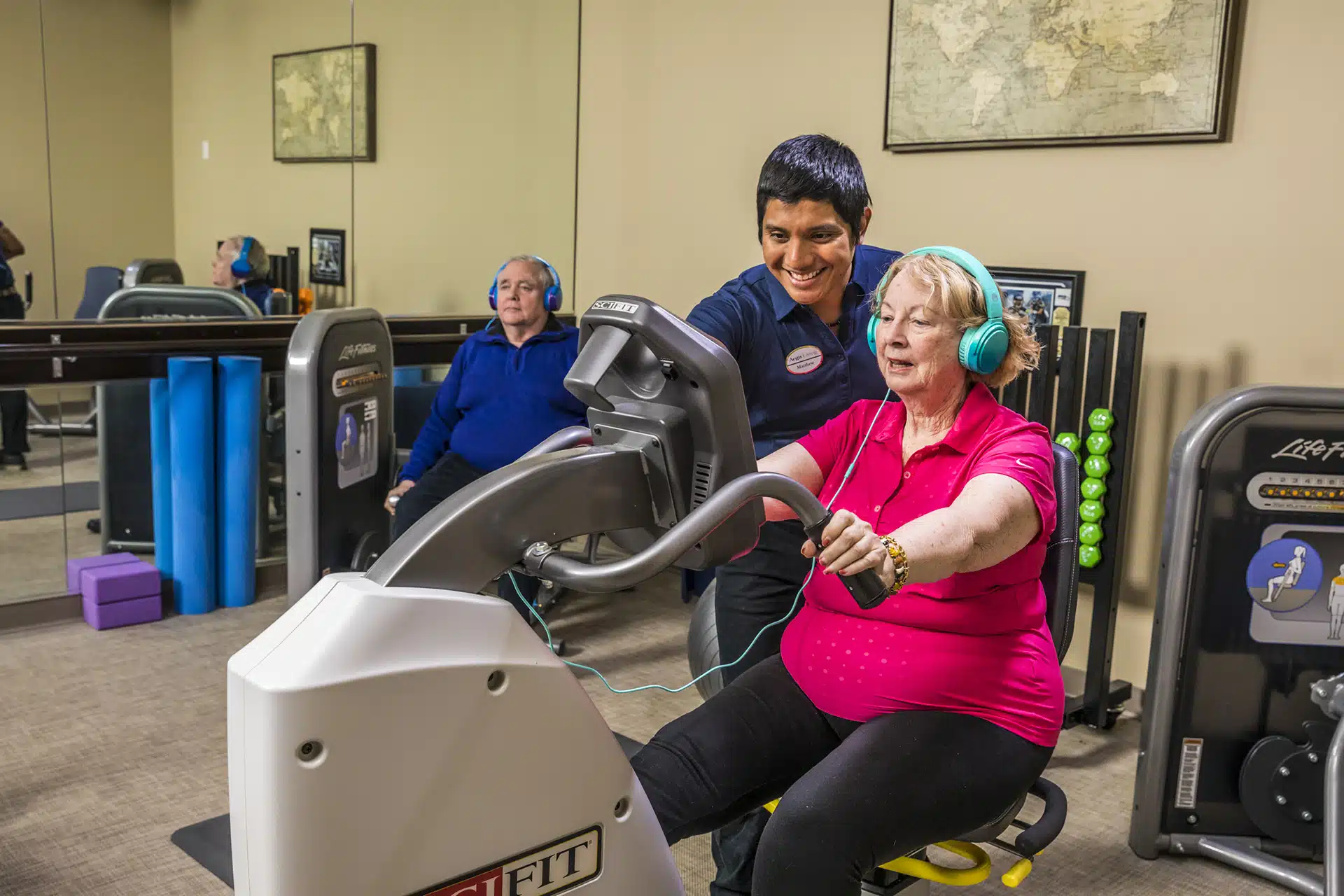
- Do take a walk. If they’re up to it, take a stroll through the garden. It gets your loved one up and moving and can help to trigger memories.
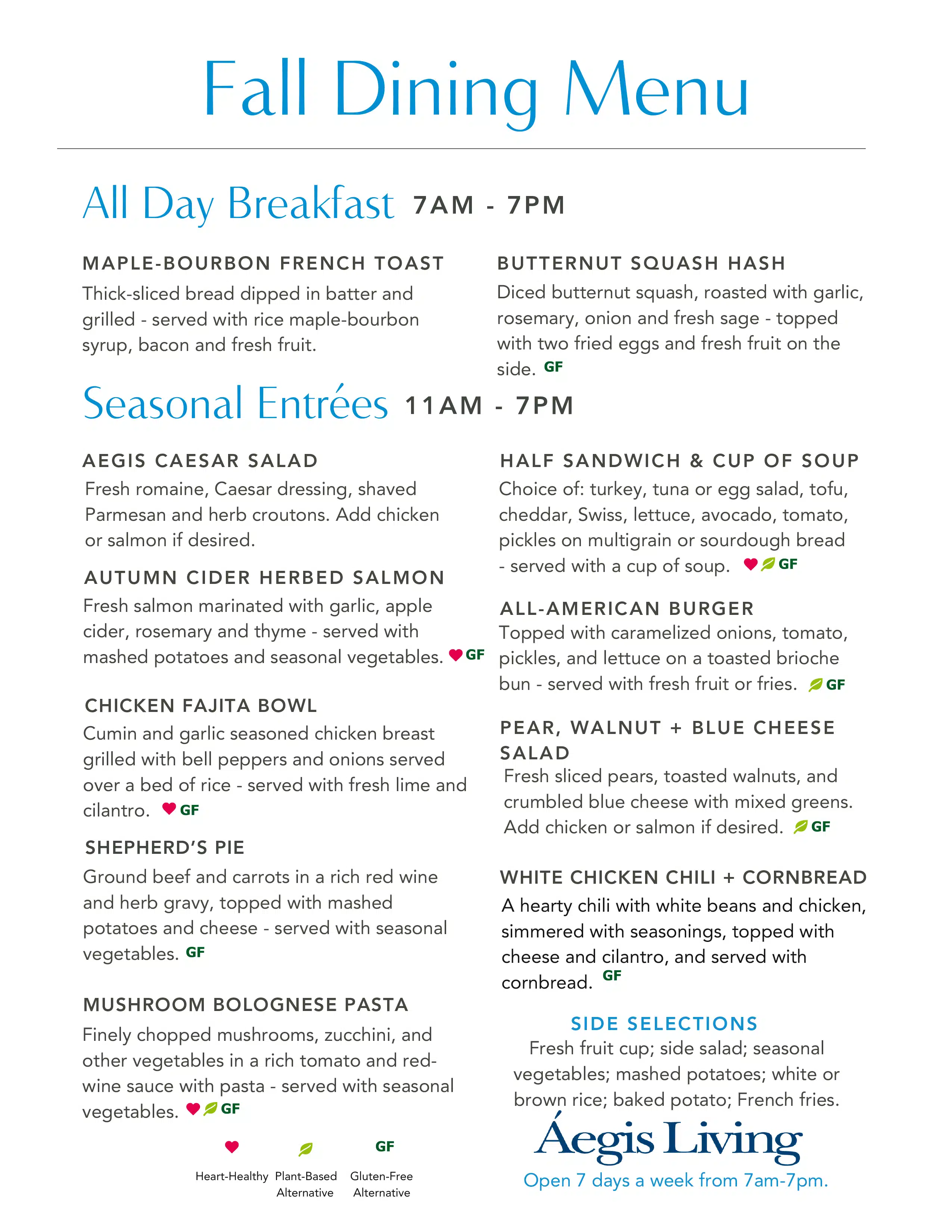
- Do bring favorite foods! Whether it’s a cherished family recipe or their favorite milkshake from Dairy Queen, it’s another opportunity to evoke a story from their past.
- Do use smart tech! Each Aegis Living community has an Echo device so that you can utilize Alexa to access information faster than you can by searching Google.
Don’ts
- Don’t ask them to “remember.” All this will do is cause them frustration or embarrassment.
- Don’t get upset if they get something wrong, or point out mistakes. Go with the flow of the conversation. While it may hurt your feelings if a loved one doesn’t remember you in a moment, they’re confused and likely frustrated that they’re having troubles recalling.
- Don’t talk about your loved one as if they aren’t there. Instead of asking a Care Manager if your mom has had a good day, ask her directly.
- Don’t grill your loved one. Asking continuous questions such as “What day is it?” Or “Who am I?” can only lead to frustration.
Eager to learn more about a dementia diagnosis and what it means for your loved one? Contact your nearest Aegis Living community to find out when their next public speaking engagement is, and visit our YouTube page for videos from expert speakers such as The Dementia Whisperer, Laura Wayman, and leading dementia expert Teepa Snow.