
Is It Just a Senior Moment—or Something More?
Not all memory loss is dementia. Learn how to tell the difference between normal age-related forgetfulness and when it may be time to speak with a doctor. Includes checklist and…


Your parent can no longer live on their own, but what is the best fit for their care needs? The decision of where to you move your parent or how to care for them cannot be wholly based on economics, but the financial impact on a family needs to be accounted for. Your best option may not be the cheapest option. Families need to consider how they will cover these costs.
The costs of an assisted living or memory care community can vary greatly depending on the services offered, location, room type, amenities included, and accommodations. A common question we are asked is: Does Medicare or Medicaid cover the costs of assisted living?
Medicare. Medicare is most often used to cover the expense of home health care or for a skilled nursing facility. Medicare pays for only a limited amount of assisted living or long-term care services. Although there can be exceptions, most of the time Medicare will not cover “custodial care.” Custodial care is care that helps with daily activities such as bathing, dressing, walking, or eating.
Medicaid. If your loved one has a limited income, Medicaid will pay some costs associated with assisted living in some states. Medicaid is a government program designed to pay for long-term care for people who can’t afford it on their own. It’s administered in cooperation between the federal and state governments. Each state has their own set of rules and regulations for Medicaid.
To understand your state’s Medicare and Medicaid guidelines, contact the State Medical Assistance office at 1-800-MEDICARE or visit www.medicare.gov. Or visit the Medicare and Medicaid Services website at www.cms.hhs.gov. We also suggest that you speak with an elder law attorney to help successfully complete a Medicaid application. They can be a valuable resource to navigate the nuances of this application process.
Other Funding Options:
VA Aid and Attendance Special Pension
The Department of Veterans Affairs is committed to providing benefits and services for our aging veterans, including their changing healthcare needs as they age. But many veterans and their families are not getting the benefits they are eligible for because they are unaware of these available programs and how to file for these useful benefits.
The VA Aid and Attendance Special Pension, also known as the A&A Pension, is for qualified veterans or their surviving spouses to receive tax-free monthly sums meant to help defray the costs of assisted living and memory care expenses. For more information and to see if you are eligible, contact a Veterans Service Officer at a regional VA office or call 1.800.827.1000.
Long-Term Care Insurance. Long-term care insurance is a helpful option to cover a portion of the costs of an assisted living community. Long-term care insurance differs from traditional health insurance. It helps cover the costs of healthcare services and support when your parent can no longer care for themselves whether that is in their home, at an assisted living community, memory care community, respite care, hospice care, or at a nursing home
Private Pay. In most cases, residents and family private pay for assisted living. Selling their house and tapping into retirement savings and investments are used to pay for these costs.
To learn more about options to pay for assisted living please visit the Aegis Living community near you and ask to speak with the Marketing Director or General Manager.

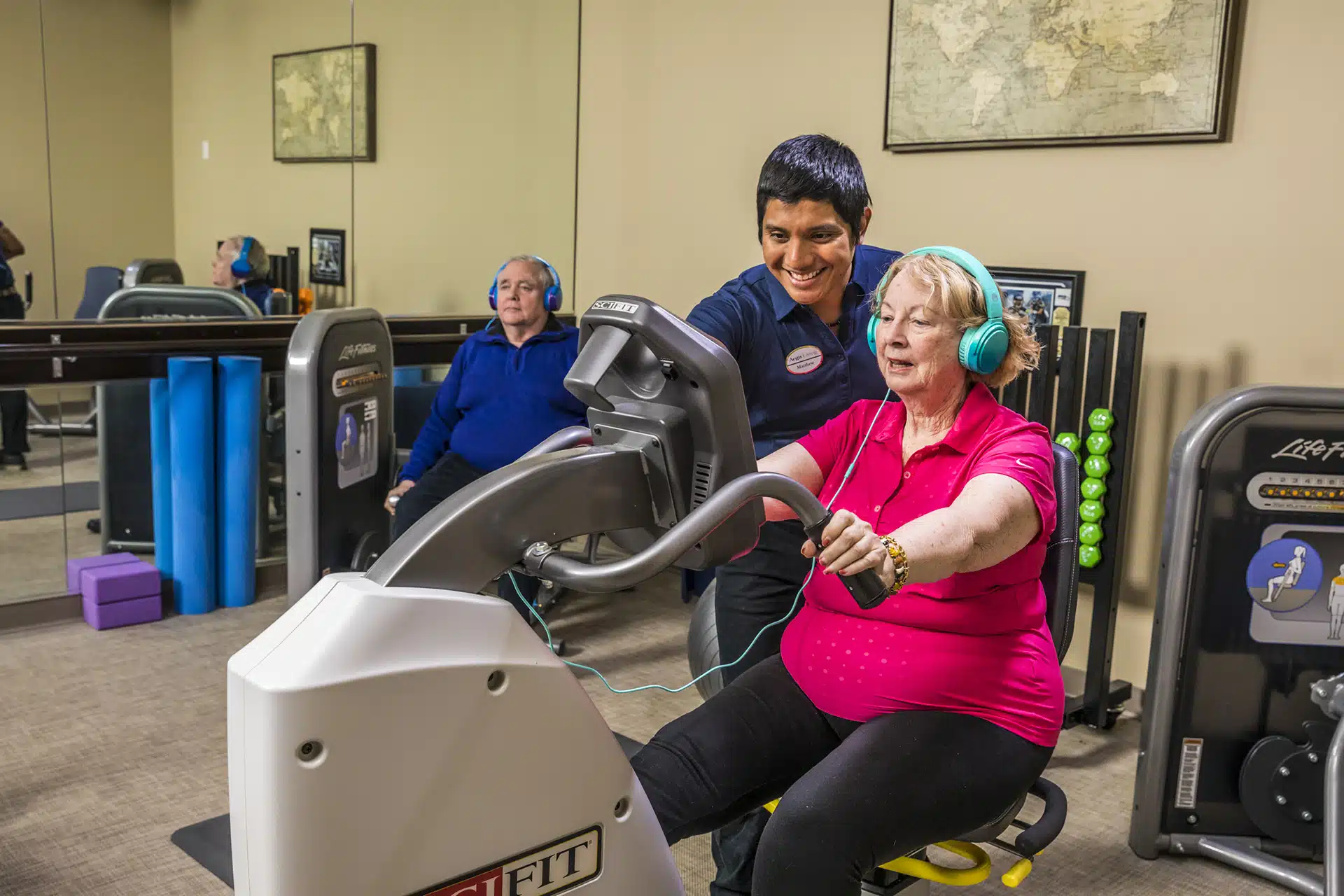



Respite Stays & Day Stays give family caregivers a real break—hours, days, or a few weeks—while your loved one enjoys a safe, enriching short‑term home at Aegis Living. Guests settle into a beautifully furnished private apartment and have 24/7 care staff and onsite nurses, medication management, and discreet safety technology (motion sensors, medical‑alert pendants, visitor check‑in) for peace of mind. Each day feels purposeful with chef‑prepared, all‑day dining and 200+ monthly activities—from book clubs and fitness classes to movie nights—plus full use of the community. We coordinate with your loved one’s physicians to mirror their routines and care, so the stay feels familiar. It’s also a smart trial run for senior living: meet neighbors, test services, and see what supported independence looks like—without a long‑term commitment. Choose a Respite Stay when you’re traveling or need time to recharge, when your loved one would benefit from structure, social connection, and great meals, or when you both want peace of mind while keeping options open.
Hospice & End‑of‑Life Care at Aegis Living is comfort‑first support for the final stage of life, delivered in your loved one’s private apartment by our 24/7 care team in coordination with a trusted local hospice provider you choose (or we can recommend). Together, we create a coordinated care plan that manages pain and other symptoms, oversees medications, and provides calm, dignified help with daily needs, while offering compassionate emotional support for both resident and family. Discreet safety measures and a reliable medical‑alert system bring help quickly; chef‑prepared, in‑apartment meals adapt to changing appetites. Families are guided through decisions and moments of closure so they can focus on being present in a peaceful, home‑like setting. If your loved one already lives at Aegis, they can remain in the comfort of their home, avoiding disruptive moves. Choose this level of care when curative treatment is no longer the goal and you want expert symptom control, hands‑on daily support, and a setting that protects dignity and prioritizes comfort, meaning, and time together.
Memory Care is specialized, secure support for people living with Alzheimer’s or other dementias who benefit from a calm, structured environment and round‑the‑clock expertise. At Aegis Living, that care happens in Life’s Neighborhood—an intimate, thoughtfully designed setting where 24/7 dementia‑trained caregivers and a nursing team on site seven days a week deliver personalized help with daily living, medication management, and mobility (including Hoyer lifts and two‑person transfers), while gently redirecting agitation and confusion. Days are purpose‑filled with science‑based cognitive programming, certified music therapy, and social activities; chef‑prepared meals are easy to enjoy and dining spaces and cues are designed for memory support. Discreet safety features like secured entrances, emergency pendants with fall detection, and optional motion sensors, prevent wandering and bring peace of mind, and visiting physicians and wellness professionals reduce trips off‑site. Families receive education and ongoing support. If your loved one is unsafe alone, missing medications, wandering, needs frequent cueing or hands‑on help with bathing or dressing, or thrives with a predictable routine, Memory Care offers the right level of care. For milder needs, our transitional Assisted Living can be a first step; for advancing symptoms, secured Memory Care provides the specialized, heartfelt support to help them feel calm, connected, and at home.