Have you noticed a change in your elderly parent’s behavior? Has their attitude or demeanor concerned you? Do you have an elderly loved one or neighbor that seems to be struggling with their mental health? Holidays can be stressful for many of us, but the elderly can be particularly vulnerable to depression due to poor health, isolation, or cognitive impairment. And with the added stress of a disruptive pandemic, there may be cause for real concern.
Depression and anxiety are not an intrinsic part of the aging process. If your aging parent or loved one suffers from depression, anxiety, dementia, and other mental disorders, these conditions can be treated. In fact, the elderly population can benefit from treatment as much as a younger person. A geriatric psychiatrist may be the right choice for your loved one to improve their quality of life and find relief from unnecessary suffering.
What is geriatric psychiatry?
Geriatric psychiatry is the specialty in the prevention, diagnosis, and treatment of mental and emotional disorders in the elderly. Common disorders in late-life patients include dementia, depression, anxiety, alcohol abuse, substance abuse, and sleep disorders. Geriatric psychiatrists create treatment plans that address the physical, emotional, and social care needs unique to elderly patients to improve their quality of life and relieve their symptoms.
How can a geriatric psychiatrist help my elderly parent or loved one?
A geriatric psychiatrist can help your parent better manage common issues that many aging seniors face, including:
- Grief and stress over the death of a spouse, relative, or friend/neighbor
- Feelings of loneliness, isolation, and lack of purpose in their life
- Emotional stress caused by the challenges associated with acute illnesses and other health concerns
- Tension and anxiety experienced due to mobility issues or living conditions, including financial strains and overwhelming home maintenance
- Severe depression or heightened anxiety that impacts their daily life
- Intense fear of terminal illness or death
- Alcohol and substance abuse
- Anti-social behaviors like aggression, agitation, repetitive behaviors, outbursts, and extreme mood swings that occur in those with dementia
- Lack of self-esteem or confidence
What does the treatment for emotional and mental health issues consist of?
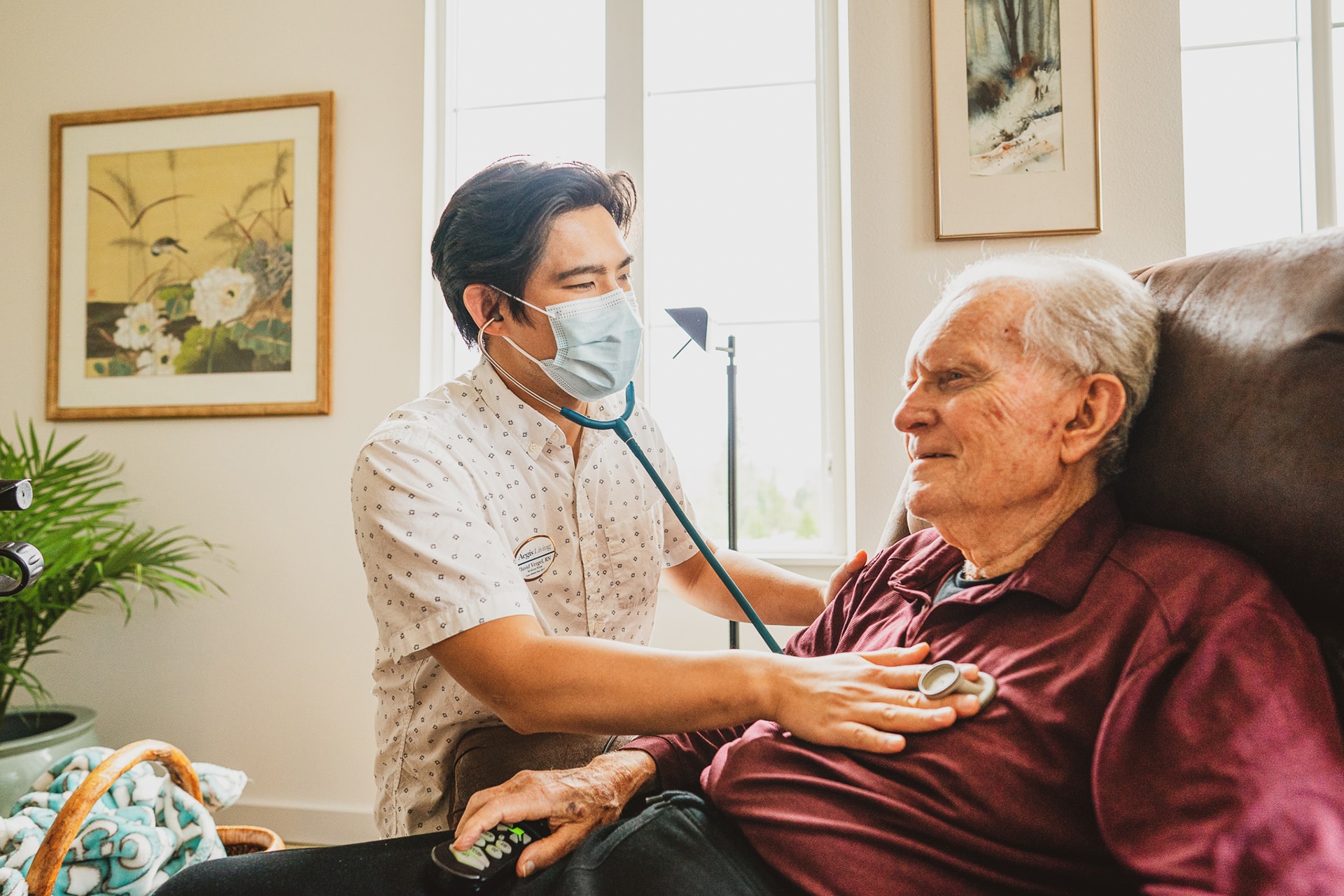
A mental health professional with experience working with elderly patients may be a key addition to your loved one’s care team. Research has shown that mental illness is often undiagnosed among seniors. An elderly adult’s symptoms are often associated with physical illnesses, can be more subtle, confused with the natural aging process, or overlap. Sometimes symptoms may be challenging to identify as an elderly patient’s overall health issues become more complex. As a caregiver, be diligent about observing their symptoms and communicating changes in behavior to their healthcare professionals.
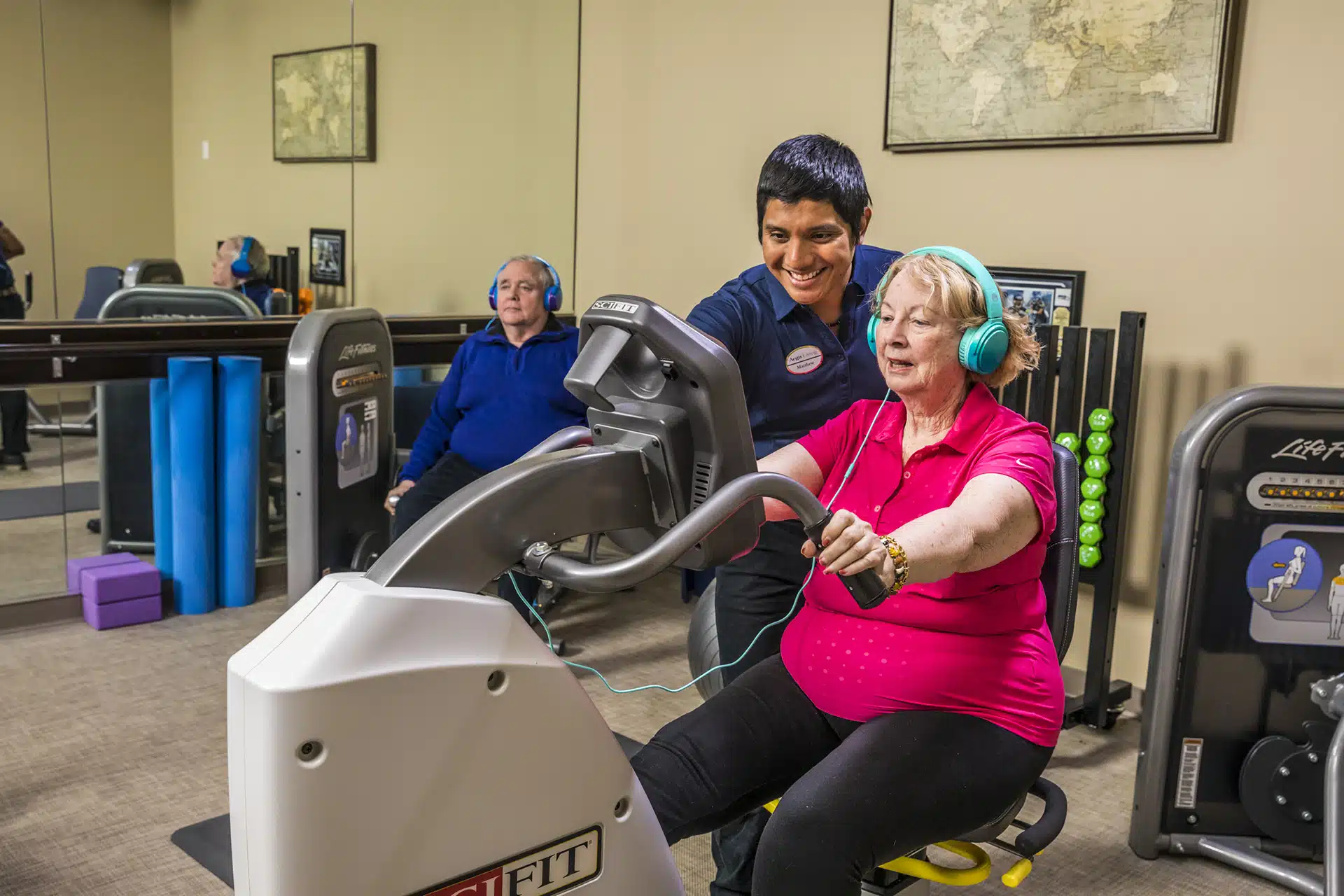
Treatments are as unique as the individual. Among the senior population, the most used forms of therapies include psychotherapy (talk therapy), cognitive behavioral therapy, self-help or support groups, stress management, and medications such as antidepressants. Some seniors find relief through music therapy, art therapy, and even the use of exercise to lift their mood. And a combination of these treatments may be prescribed to a patient.
Seniors with the same condition will have varying treatments. Getting to the correct diagnosis and course of treatment may take some time, along with trial and error. A senior’s mental health or ability to cope may change over time with changes in their physical health or outside factors that impact their mood or confidence. Medications may be processed by the body differently due to physical changes or interact with other medications. But the good news is mental illness in elderly adults is treatable, and their quality of life can improve.
The Covid-19 pandemic and your loved one’s mental health
Collectively, the world has been feeling the strain of the pandemic. But the elderly population is particularly vulnerable to the illness, which can pile on even more stress and anxiety. This global health crisis has disrupted the daily lives of many seniors and limited access to support services. And for a population that already may have limited interactions, social distancing can cause further isolation.
It’s important to support your aging loved ones during this uncertain time. Regular communication is key to understanding how they feel and if they are experiencing any mental health issues, like depression or anxiety. Fortunately, your loved one or parent can find support without even leaving the house. With access to telemedicine, mental healthcare professionals are available to video-chat or talk over the phone if your loved one is struggling. Living alone doesn’t mean your older loved one’s mental health has to suffer. As a caregiver, you can be instrumental in helping them adjust during these unprecedented times.
How to seek help
Many seniors are reluctant to seek the help of a psychiatrist. They may have an outdated opinion about psychiatric treatments and the stigma that often goes with it. This negative perception may be a deterrent from getting the help that they need. Often the spotlight (and fear) falls on issues such as Alzheimer’s or other types of dementia, but there are also treatable issues that should not go overlooked, like anxiety and depression. But it’s not without challenges. Older adults can be less likely to want to discuss their feelings and mental state. They may see it as a weakness or moral failure, something they can handle on their own, or just part of the aging process. Sometimes, they may feel like they don’t want to bother or burden anyone or are simply too embarrassed. Many seniors also fear that if they admit to a mental illness that it will result in a loss of independence. Be patient and reassuring with your loved one. They may be anxious to reveal how they are feeling or what they are experiencing. Be proactive when it comes to their mental health. Early intervention can change their life.
As their caregiver, consult with your loved one’s primary care doctor if you are concerned about their mental and emotional health. Their doctor can recommend a geriatric psychiatrist, who can help your loved one adapt to and manage the changes in their life. Also, the Geriatric Mental Health Foundation has an online resource to find a geriatric psychiatrist within your city, who is a member of the American Association of Geriatric Psychiatry. Your loved one shouldn’t needlessly suffer from mental health and emotional issues. Support is available that can help them focus on their physical health, reduce their stress, and improve their overall quality of life.
If you would like a local reference for a geriatric psychiatrist to assist your loved one, contact one of our Aegis Living communities near you and ask to speak with our Health Services Director who can help.
Other mental health resources: