
Is It Just a Senior Moment—or Something More?
Not all memory loss is dementia. Learn how to tell the difference between normal age-related forgetfulness and when it may be time to speak with a doctor. Includes checklist and…

When it’s time to consider assisted living for your senior loved one, you’re likely to encounter worries and fears from both sides. You can help yourself by doing your research into assisted living and choosing the best possible community – and you can help your loved one by ensuring you take the time to address his or her fears one by one and comprehensively. Any change is scary on some level. Moving into a community and leaving home is a time of great upheaval for seniors, even when they know it is the best option. Here, we’ll look at three of the most common fears about assisted living and how to handle them:
Your loved one may feel that getting assistance with activities of daily living will in some way diminish his or her independence. After all, they won’t be making breakfast and sitting down with the paper every morning, and changes to routine are difficult. However, try to look at this help differently. Without having to worry about cleaning, cooking or taking care of a yard, Mom and Dad can spend more time doing what they love, whether that’s socializing with other residents in the community or relaxing with a favorite hobby. Routines will change, but it’s likely that they need to if a move to an assisted living community is necessary. No matter how much Mom loves to cook, if she can’t always do it for herself anymore, losing that task is a positive.

Many seniors fear that moving into an assisted living community means their loved ones will forget about them or believe they are no longer their responsibility. There is a damaging stereotype of adult children simply dropping their parents off at a community and leaving, rarely to return. The best way you can allay this fear is by doing what you say you will do – visiting frequently. This will be even easier if you pick a community close to your home, work or another location where you frequently find yourself. If it’s only a couple of blocks out of the way of your usual commute, your parents’ new home is likely to be a frequent destination for you. Set a visiting schedule and stick to it.
If your parents need some level of medical care, whether it’s frequent appointments or help with their medications, it’s easy to fret about whether the care they receive will be good enough. This is true with any assisted living move – it’s hard to instill trust in strangers, after all. Combat this by visiting a number of assisted living communities with your parents and getting to know the people who work there. Also, ask about how staff members are trained, the kinds of certifications they have and how long the average tenure tends to be. The more training and longer tenure, the better – staff that is knowledgeable and invested in working with seniors is one that will take good care of your parents. Share this knowledge with your loved ones if they express fear that they will not be taken care of well.
With a little thought and planning, you can address fears about assisted living and make the transition as smooth as possible for your loved ones. If you need more help getting your parents used to the idea of moving to an assisted living community, speak to the staff at the community you prefer for more ideas and to arrange a visit. Seeing what a community is really like can change your parents’ minds more quickly than conversations might.

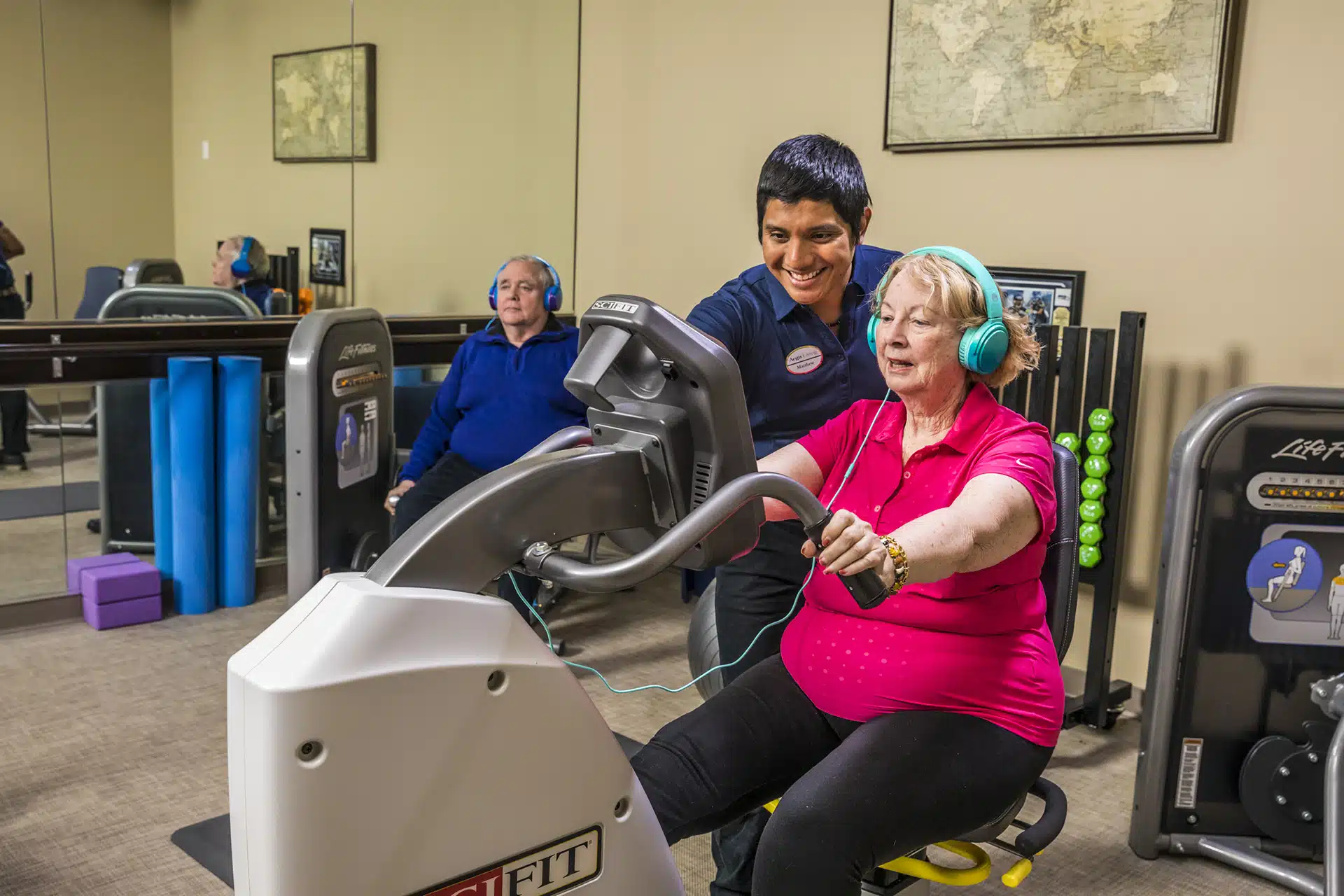



Respite Stays & Day Stays give family caregivers a real break—hours, days, or a few weeks—while your loved one enjoys a safe, enriching short‑term home at Aegis Living. Guests settle into a beautifully furnished private apartment and have 24/7 care staff and onsite nurses, medication management, and discreet safety technology (motion sensors, medical‑alert pendants, visitor check‑in) for peace of mind. Each day feels purposeful with chef‑prepared, all‑day dining and 200+ monthly activities—from book clubs and fitness classes to movie nights—plus full use of the community. We coordinate with your loved one’s physicians to mirror their routines and care, so the stay feels familiar. It’s also a smart trial run for senior living: meet neighbors, test services, and see what supported independence looks like—without a long‑term commitment. Choose a Respite Stay when you’re traveling or need time to recharge, when your loved one would benefit from structure, social connection, and great meals, or when you both want peace of mind while keeping options open.
Hospice & End‑of‑Life Care at Aegis Living is comfort‑first support for the final stage of life, delivered in your loved one’s private apartment by our 24/7 care team in coordination with a trusted local hospice provider you choose (or we can recommend). Together, we create a coordinated care plan that manages pain and other symptoms, oversees medications, and provides calm, dignified help with daily needs, while offering compassionate emotional support for both resident and family. Discreet safety measures and a reliable medical‑alert system bring help quickly; chef‑prepared, in‑apartment meals adapt to changing appetites. Families are guided through decisions and moments of closure so they can focus on being present in a peaceful, home‑like setting. If your loved one already lives at Aegis, they can remain in the comfort of their home, avoiding disruptive moves. Choose this level of care when curative treatment is no longer the goal and you want expert symptom control, hands‑on daily support, and a setting that protects dignity and prioritizes comfort, meaning, and time together.
Memory Care is specialized, secure support for people living with Alzheimer’s or other dementias who benefit from a calm, structured environment and round‑the‑clock expertise. At Aegis Living, that care happens in Life’s Neighborhood—an intimate, thoughtfully designed setting where 24/7 dementia‑trained caregivers and a nursing team on site seven days a week deliver personalized help with daily living, medication management, and mobility (including Hoyer lifts and two‑person transfers), while gently redirecting agitation and confusion. Days are purpose‑filled with science‑based cognitive programming, certified music therapy, and social activities; chef‑prepared meals are easy to enjoy and dining spaces and cues are designed for memory support. Discreet safety features like secured entrances, emergency pendants with fall detection, and optional motion sensors, prevent wandering and bring peace of mind, and visiting physicians and wellness professionals reduce trips off‑site. Families receive education and ongoing support. If your loved one is unsafe alone, missing medications, wandering, needs frequent cueing or hands‑on help with bathing or dressing, or thrives with a predictable routine, Memory Care offers the right level of care. For milder needs, our transitional Assisted Living can be a first step; for advancing symptoms, secured Memory Care provides the specialized, heartfelt support to help them feel calm, connected, and at home.