
Is It Just a Senior Moment—or Something More?
Not all memory loss is dementia. Learn how to tell the difference between normal age-related forgetfulness and when it may be time to speak with a doctor. Includes checklist and…


Many of us are familiar with a living will but fewer are aware of what a POLST form is and its benefits to your family. If you have a loved one who is terminally ill, this is an important document to honor their end-of-life wishes.
A POLST (Physicians Orders for Life-Sustaining Treatment) is a legal form that gives extremely frail and advanced progressive or terminally ill patients control of their end-of-life care in an emergency medical situation. Similar to a DNR (Do Not Resuscitate Orders), but more specific and detailed, this form is signed by both the patient and his or her physician, nurse practitioner, or physician assistant. The goal of a POLST form is to prevent unwanted treatments, reduce patient suffering, and ensure that the patient’s wishes are honored. Printed on colored paper to be easily noticed and seen, the form includes directions for medical treatment, extraordinary measures, and CPR. By completing a POLST form, the person is clearly communicating their decisions to accept or decline life-sustaining treatment or medical intervention in any healthcare setting, especially if they can no longer communicate.
A POLST is not for everyone. It is specifically designed for people who are seriously ill. Healthy people should use an advanced directive or living will as a tool to make their wishes known for their future end-of-life care and recommended for all adults regardless of their health status. The big difference is the POLST puts your advanced directive preferences into actionable orders that medical professionals must follow.
A living will or advanced directive is a legal expression of what treatment a person would want in a future situation, whereas a POLST is an active medical order written by a medical professional based on the current condition of a patient. An advanced directive or living will is a speculation of treatment for an unknown future medical emergency. The POLST documentation designates the specific medical treatments your parent would want based on their current state of health. The one thing the POLST does not identify is the person (known as a surrogate) who will make decisions on the patient’s behalf about their care if they are no longer able to communicate. Therefore, the POLST is a compliment in an advanced directive but does not replace it.
The decisions documented on the POLST form include instructions for emergency medical professionals to attempt cardiopulmonary resuscitation (CPR) or not. If your family member is in an emergency situation, you can also instruct what type of intense medical intervention they will want. The patient can request whether they want to be transferred to a hospital, intensive care, use of cardioversion (to reset the heart rhythm), or ventilators to help with breathing. The patient can choose whether to receive antibiotics, hydration and artificial nutrition by tube, or dialysis. Comfort measures are always provided no matter the treatment choices that have been made by the patient.
The POLST form is a medical order for care. It is entirely voluntary for the patient, and there is no age limit. The POLST order can be revoked or changed at any time, particularly if their condition changes.
This POLST form helps to facilitate a structured discussion between the patient with their health care professional regarding his or her values, religious beliefs, and goals for care. The POLST form also allows patients with strong religious convictions to have those values honored in an emergency and across care transitions. The medical professional will walk through the patient’s diagnosis, prognosis, and treatment options, including the consequences of life-sustaining treatment. Together, the patient will reach an informed decision about the desired treatments outlined in this form.
Every state that has a POLST form generally covers much of the same information, but the names of the forms may differ. Most often called Physician Orders for Life-Sustaining Treatment (POLST), the form is also called in some states: Physician Orders for Scope of Treatment (POST), Clinician Orders for Life-Sustaining Treatment (COLST), Medical Orders for Life-Sustaining Treatment (MOLST), Medical Orders for Scope of Treatment (MOST), or Transportable Physician Orders for Patient Preferences (TPOPP). Some states may have reciprocity with other states, but it is safest to fill out forms from the state that is relevant to your loved one. Depending on what state they live in or applies to them, they can either download the form to fill out with their physician or get a form from their doctor. POLST forms can be completed by either a physician, nurse practitioner, physician assistant, social worker, or other medical professionals along with the patient. To be legal, this form must be signed by both the patient and a medical professional.
The original documentation should remain with the patient – whether that is in their home, assisted living community, nursing home, or hospital. Once the form has been completed, make a copy for the primary caregiver, family members, and doctors. Let your family and caregivers know where to find the completed form.
If you have a family member that is still living at home, this form should be displayed prominently where it can be easily seen by medical personnel who may enter the home—next to their bed, on the door of their bedroom, or even on the refrigerator. In the case of an emergency, legally-required procedures by emergency personnel will be overridden by the directions on the POLST. Medical professionals must honor POLST instructions wherever the patient is — hospital, assisted living community, nursing home or private home. If they do not see the POLST form, they will follow standard procedures to provide life-sustaining treatment. This is why these are often printed on bright pink paper, green or another vibrant color to be easily seen.
If your parent is in a hospital or medical setting, the original POLST form should be attached their medical chart. Assisted living communities will keep the POLST form in their medical files. The POLST form is intended to go with your parent from one healthcare setting to another to ensure consistent care that honors their decisions.
If your loved one is terminally ill, discuss the option of completing a POLST form with your parent and their physician as an important step to honor their wishes.

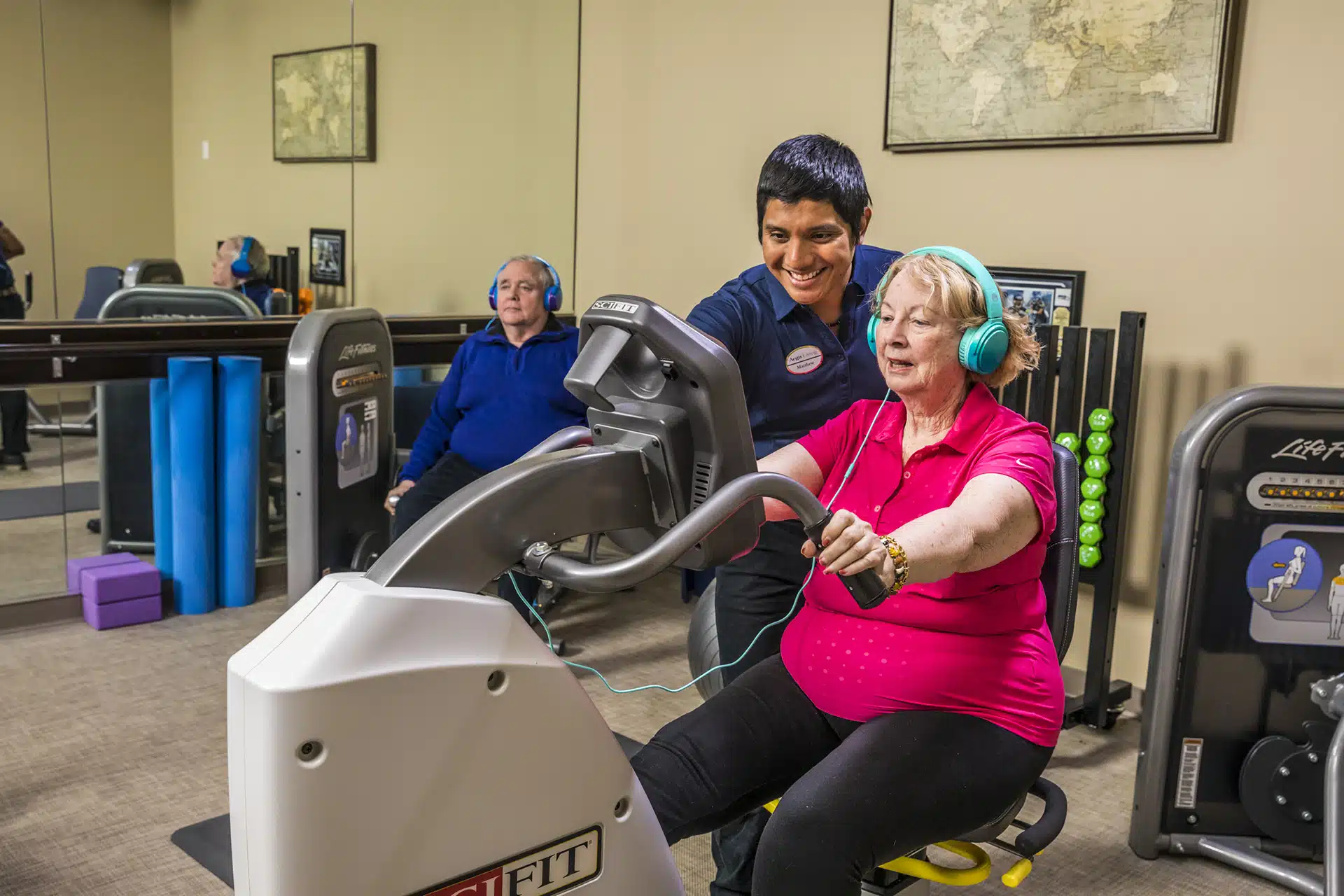


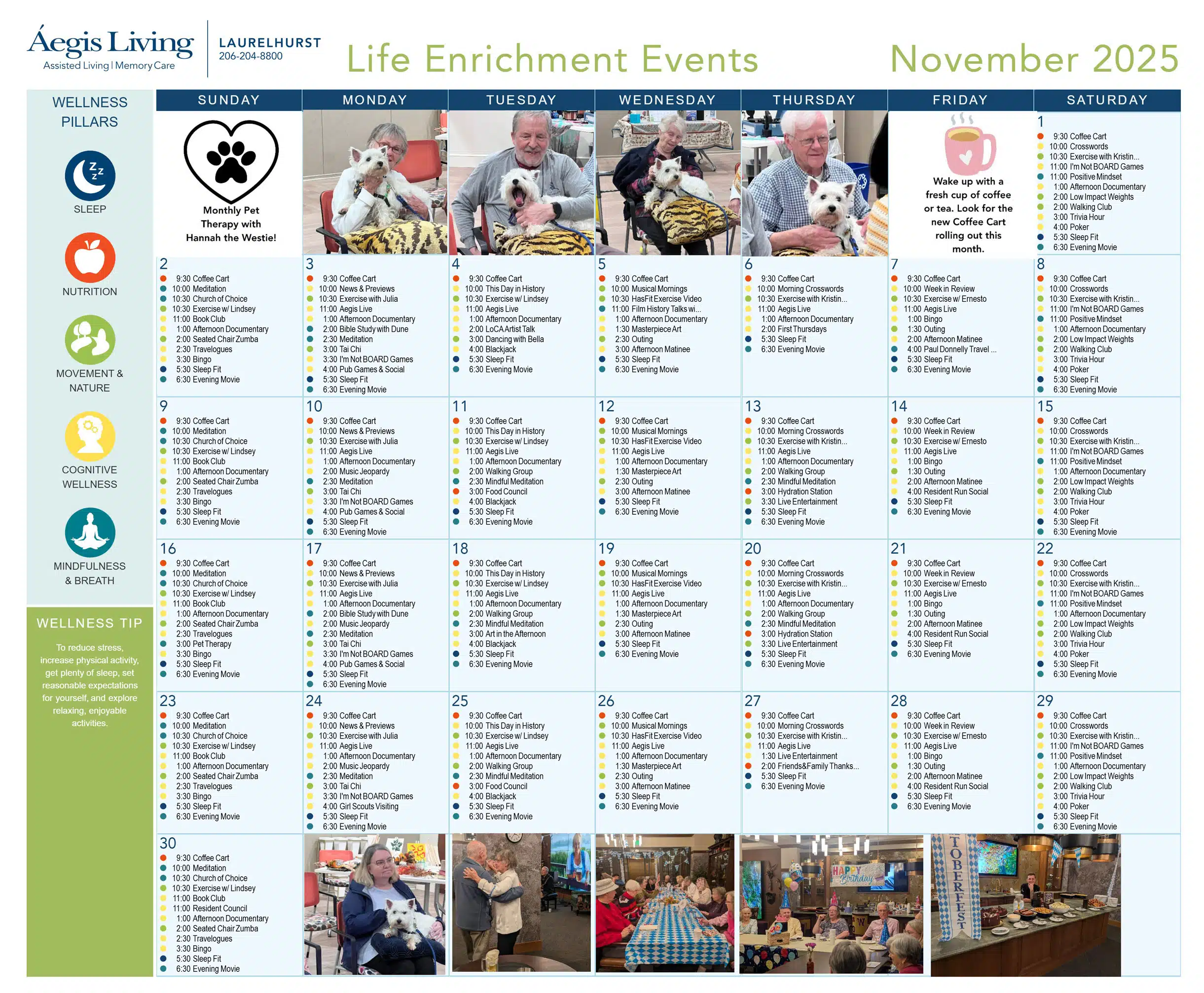
Respite Stays & Day Stays give family caregivers a real break—hours, days, or a few weeks—while your loved one enjoys a safe, enriching short‑term home at Aegis Living. Guests settle into a beautifully furnished private apartment and have 24/7 care staff and onsite nurses, medication management, and discreet safety technology (motion sensors, medical‑alert pendants, visitor check‑in) for peace of mind. Each day feels purposeful with chef‑prepared, all‑day dining and 200+ monthly activities—from book clubs and fitness classes to movie nights—plus full use of the community. We coordinate with your loved one’s physicians to mirror their routines and care, so the stay feels familiar. It’s also a smart trial run for senior living: meet neighbors, test services, and see what supported independence looks like—without a long‑term commitment. Choose a Respite Stay when you’re traveling or need time to recharge, when your loved one would benefit from structure, social connection, and great meals, or when you both want peace of mind while keeping options open.
Hospice & End‑of‑Life Care at Aegis Living is comfort‑first support for the final stage of life, delivered in your loved one’s private apartment by our 24/7 care team in coordination with a trusted local hospice provider you choose (or we can recommend). Together, we create a coordinated care plan that manages pain and other symptoms, oversees medications, and provides calm, dignified help with daily needs, while offering compassionate emotional support for both resident and family. Discreet safety measures and a reliable medical‑alert system bring help quickly; chef‑prepared, in‑apartment meals adapt to changing appetites. Families are guided through decisions and moments of closure so they can focus on being present in a peaceful, home‑like setting. If your loved one already lives at Aegis, they can remain in the comfort of their home, avoiding disruptive moves. Choose this level of care when curative treatment is no longer the goal and you want expert symptom control, hands‑on daily support, and a setting that protects dignity and prioritizes comfort, meaning, and time together.
Memory Care is specialized, secure support for people living with Alzheimer’s or other dementias who benefit from a calm, structured environment and round‑the‑clock expertise. At Aegis Living, that care happens in Life’s Neighborhood—an intimate, thoughtfully designed setting where 24/7 dementia‑trained caregivers and a nursing team on site seven days a week deliver personalized help with daily living, medication management, and mobility (including Hoyer lifts and two‑person transfers), while gently redirecting agitation and confusion. Days are purpose‑filled with science‑based cognitive programming, certified music therapy, and social activities; chef‑prepared meals are easy to enjoy and dining spaces and cues are designed for memory support. Discreet safety features like secured entrances, emergency pendants with fall detection, and optional motion sensors, prevent wandering and bring peace of mind, and visiting physicians and wellness professionals reduce trips off‑site. Families receive education and ongoing support. If your loved one is unsafe alone, missing medications, wandering, needs frequent cueing or hands‑on help with bathing or dressing, or thrives with a predictable routine, Memory Care offers the right level of care. For milder needs, our transitional Assisted Living can be a first step; for advancing symptoms, secured Memory Care provides the specialized, heartfelt support to help them feel calm, connected, and at home.