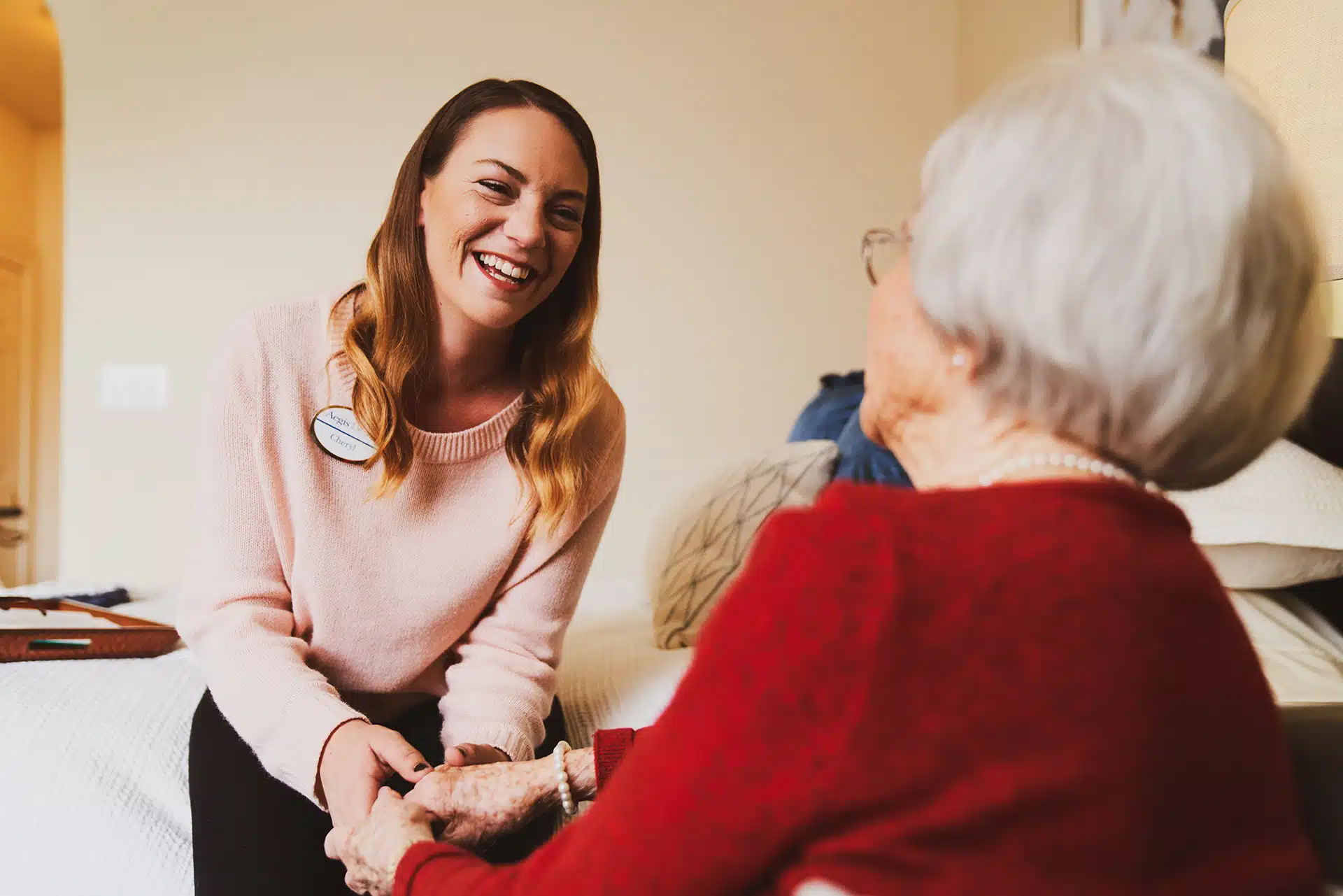
Understanding Alzheimer’s: Signs, Progression, and Comfort Through Care
Learn what Alzheimer’s disease is, how it differs from other forms of dementia, what symptoms to watch for, and how treatments and supportive care can help at every stage.


Did you know September is Intergeneration Month, a time to intentionally connect generations to communicate age-related gratitude and needs? Coincidentally, September 10th marked the opening of the Chinese Information and Service Center (CISC) Bilingual Preschool at Aegis Gardens in Newcastle, one of the few shared sites for youth and older people in the U.S.
Bringing book-end generations together in one location for programming, nurturing both populations, provides short and long-term benefits. By adding seniors to a preschool program, children thrive with the added attention of an engaged elder. This attention also makes them feel valued and builds respect for older people.
The generational separation mentality begins early. As we go through school, the job force, and perhaps even parenthood, we tend to stick to our peer groups for social interaction, slowly but surely pushing the elder generations into isolation as they age out of family homes and into retirement.
Non-profit groups Generations United and The Eisner Foundation published a study titled “I Need You, You Need Me: The Young, The Old, and What We Can Achieve Together” in which all surveyed admitted we live in an age-segregated society. In this study, 53% of American adults say that they don’t regularly spend time with individuals much older or younger than they are, outside of their family. Young adults between the ages of 18 and 34 appear to be the most isolated from other generations, with 61% reporting a limited number of much older or much younger acquaintances. By segregating generations, our society gives rise to ageism, makes it harder to develop a sense of solidarity across society, and denies old and young individuals the opportunity to learn from and help one another. A whopping 76% of adults surveyed believe ageism is a very serious societal problem.
The good news is 9 out of 10 adults believe community programs that serve kids and older adults end up benefiting everyone, and 92% of adults believe that elders benefit from building relationships with children and youth. While younger adults have recently been feeling vilified by older generations (millennials vs. baby boomers), the introduction of intergenerational programming at an early age would open the conversation to all generations about the problems each face, and provide more understanding.
Communities that mix generations, like CISC Bilingual Preschool at Aegis Gardens, offer multiple opportunities for children and elders to learn from one another. Sharing in activities related to holidays and festivals, cooking, reading and sharing stories, arts and crafts, and music will aid both groups in combating isolation and in a large part, depression from isolation and loneliness.
Aegis Living Founder, Dwayne Clark, knows from experience bringing children into Aegis Living communities for the past 20 years that smiling faces of children bring vibrancy and fun which energizes seniors. “Seniors value having a purpose and programs with children enables them to contribute to their community and the next generation.”
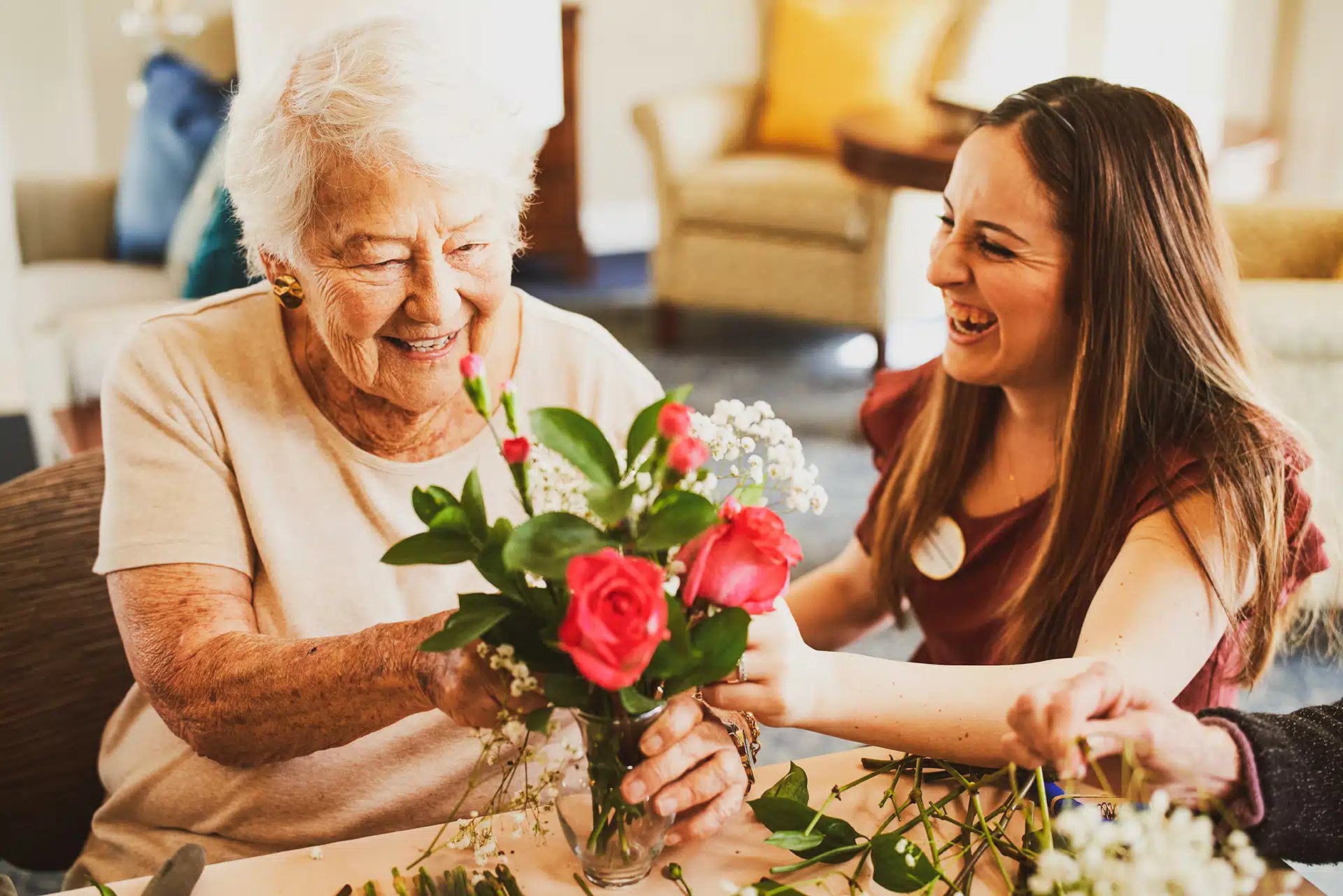



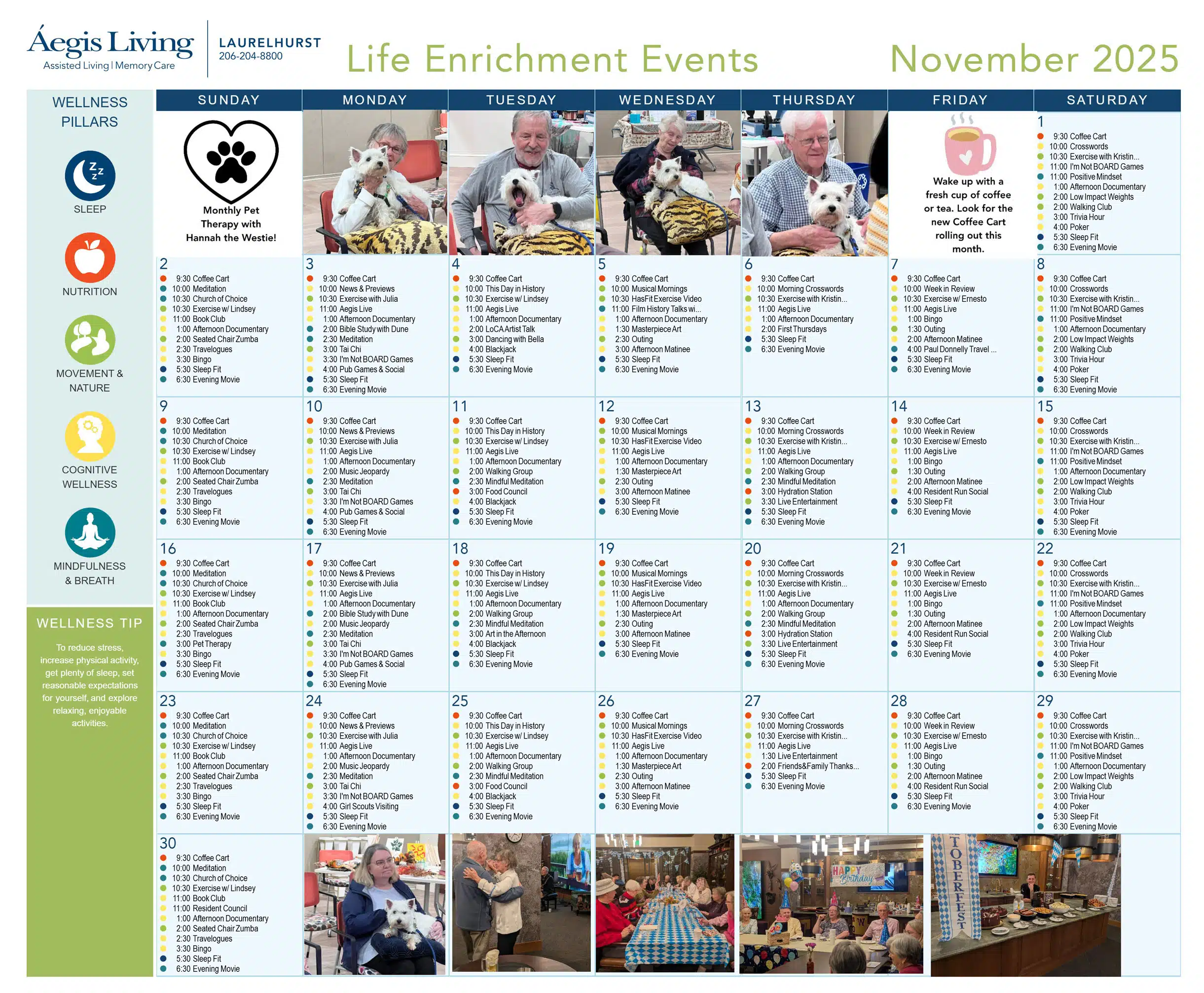
Respite Stays & Day Stays give family caregivers a real break—hours, days, or a few weeks—while your loved one enjoys a safe, enriching short‑term home at Aegis Living. Guests settle into a beautifully furnished private apartment and have 24/7 care staff and onsite nurses, medication management, and discreet safety technology (motion sensors, medical‑alert pendants, visitor check‑in) for peace of mind. Each day feels purposeful with chef‑prepared, all‑day dining and 200+ monthly activities—from book clubs and fitness classes to movie nights—plus full use of the community. We coordinate with your loved one’s physicians to mirror their routines and care, so the stay feels familiar. It’s also a smart trial run for senior living: meet neighbors, test services, and see what supported independence looks like—without a long‑term commitment. Choose a Respite Stay when you’re traveling or need time to recharge, when your loved one would benefit from structure, social connection, and great meals, or when you both want peace of mind while keeping options open.
Hospice & End‑of‑Life Care at Aegis Living is comfort‑first support for the final stage of life, delivered in your loved one’s private apartment by our 24/7 care team in coordination with a trusted local hospice provider you choose (or we can recommend). Together, we create a coordinated care plan that manages pain and other symptoms, oversees medications, and provides calm, dignified help with daily needs, while offering compassionate emotional support for both resident and family. Discreet safety measures and a reliable medical‑alert system bring help quickly; chef‑prepared, in‑apartment meals adapt to changing appetites. Families are guided through decisions and moments of closure so they can focus on being present in a peaceful, home‑like setting. If your loved one already lives at Aegis, they can remain in the comfort of their home, avoiding disruptive moves. Choose this level of care when curative treatment is no longer the goal and you want expert symptom control, hands‑on daily support, and a setting that protects dignity and prioritizes comfort, meaning, and time together.
Memory Care is specialized, secure support for people living with Alzheimer’s or other dementias who benefit from a calm, structured environment and round‑the‑clock expertise. At Aegis Living, that care happens in Life’s Neighborhood—an intimate, thoughtfully designed setting where 24/7 dementia‑trained caregivers and a nursing team on site seven days a week deliver personalized help with daily living, medication management, and mobility (including Hoyer lifts and two‑person transfers), while gently redirecting agitation and confusion. Days are purpose‑filled with science‑based cognitive programming, certified music therapy, and social activities; chef‑prepared meals are easy to enjoy and dining spaces and cues are designed for memory support. Discreet safety features like secured entrances, emergency pendants with fall detection, and optional motion sensors, prevent wandering and bring peace of mind, and visiting physicians and wellness professionals reduce trips off‑site. Families receive education and ongoing support. If your loved one is unsafe alone, missing medications, wandering, needs frequent cueing or hands‑on help with bathing or dressing, or thrives with a predictable routine, Memory Care offers the right level of care. For milder needs, our transitional Assisted Living can be a first step; for advancing symptoms, secured Memory Care provides the specialized, heartfelt support to help them feel calm, connected, and at home.