Protecting Your Brain: Lifestyle Changes That May Prevent Dementia
Discover 12 proven strategies to reduce your risk of Alzheimer’s and dementia, from exercise and sleep to social connection and mental health.


Who doesn’t turn into a kid again around Halloween? Dreaming about a bag filled with sugary treats! To indulge in a favorite treat is fine now and then. The trick is to keep most of your diet healthy and balanced.
As we head into the holidays, it is a good time of year to re-exam the overall eating habits of your aging parent. Whether you are a primary caregiver who makes all of your mom’s meals, or concerned about the senior nutrition that your loved one is getting every day; here are a few things to keep in mind about your parent’s diet as they age.
Keep their diet well-balanced
Eating a balance of foods rich in fiber, vitamins, minerals, and nutrients is vital to keep your parent healthy as they age. Planning meals that are balanced will help them maintain a healthy weight, stay energized, and lower their risk of developing a chronic health condition, such as diabetes or heart disease. Malnutrition in the elderly can weaken their bones, muscles, and immune system leaving them vulnerable to disease.
Overall, focus on providing meals and snacks of nutrient-dense and high fiber foods such as vegetables, fruits, beans, nuts, whole grains, oats, low-fat dairy, and lean protein. To avoid diabetes, high blood pressure, or high cholesterol, your parent should reduce excess calories, eat less sodium, and avoid saturated and trans fats and processed sugars.
Key nutrients
Two essential nutrients to keep in mind for seniors are Omega 3 Fatty Acids and calcium. The Omega 3 Fatty Acids found in flaxseed, flaxseed oil, walnuts, canola oil, and some types of fish have proven to reduce inflammation. Inflammation can contribute to heart disease, cancer, and arthritis. Consider planning a meal rich in this nutrient at least twice per week.
Second, calcium for bone health is necessary for your aging parents. The National Institutes of Health recommends that adults over the age of 50 get at least 1000 milligrams of calcium per day. Calcium can be found in leafy greens such as kale or in dairy and fortified orange juice. Consult with their physician to see if an Omega 3 or calcium supplements would be beneficial to your parent.
Fewer calories needed
Most seniors need to consume fewer calories to maintain a healthy weight. As they age and their activity level falls, they burn less calories throughout the day. They can also lose muscle mass that will cause their metabolism to slow down and lowering their daily caloric need. Often with a senior’s loss of taste and smell, your parent may also lose their appetite or food is less appealing. Some medications have the side effect of reducing hunger. But there is a balancing act that needs to be struck.
Although your parent may need fewer calories or food is less appealing to them, you want to ensure they are not malnourished. To avoid health problems, make sure the food they get is rich in nutrients to keep their organs, muscles, and bones healthy and strong, but not filled with empty calories that can lead to unhealthy weight gain. You need to consider both the number of calories they consume and the quality of those calories.
This Halloween, indulge in a few sweet treats but take some time to ensure that your parent’s overall diet is well-balanced with the nutrients they need for good health.
Visit your local Aegis Living community to find out about our Halloween and other holiday events.

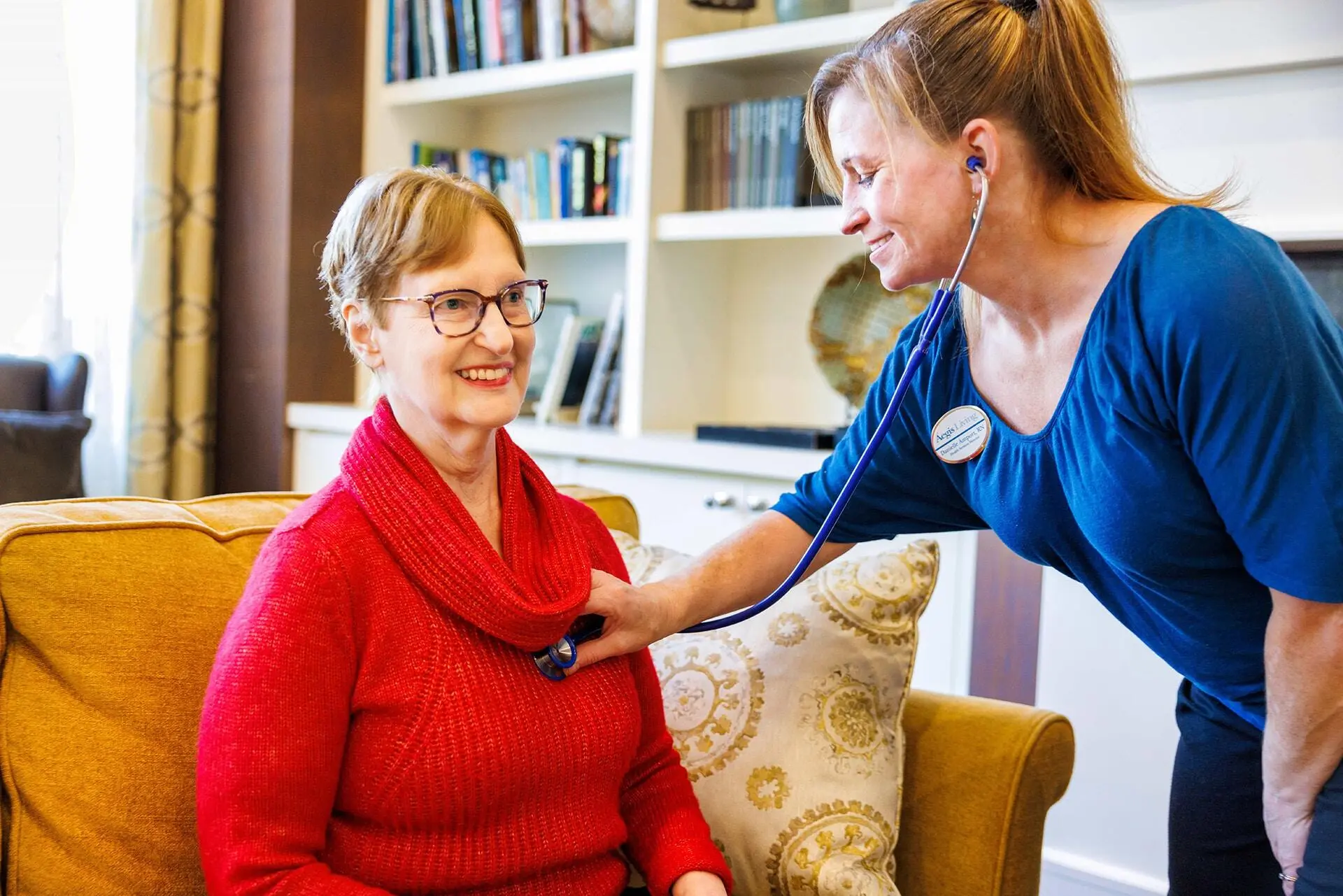

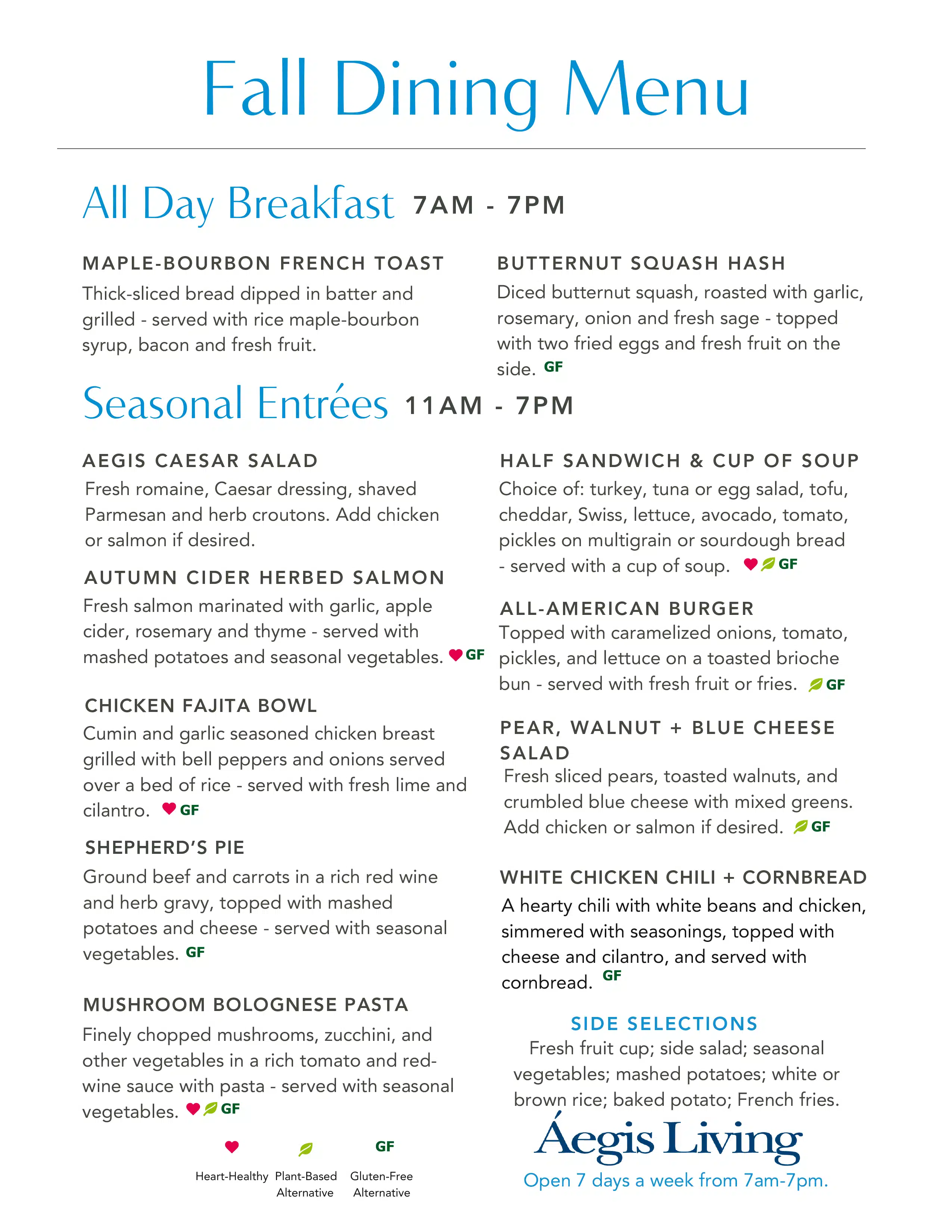
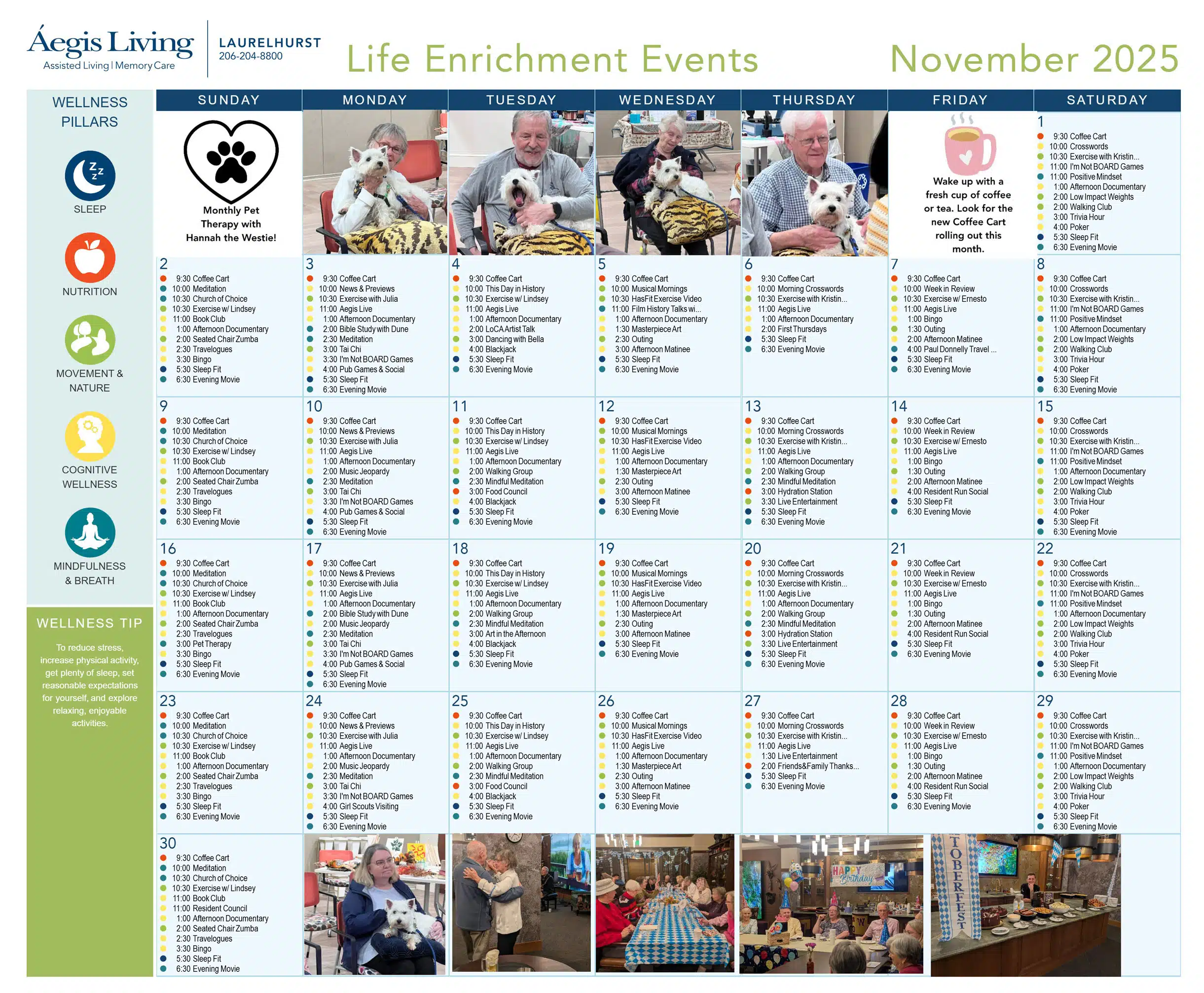
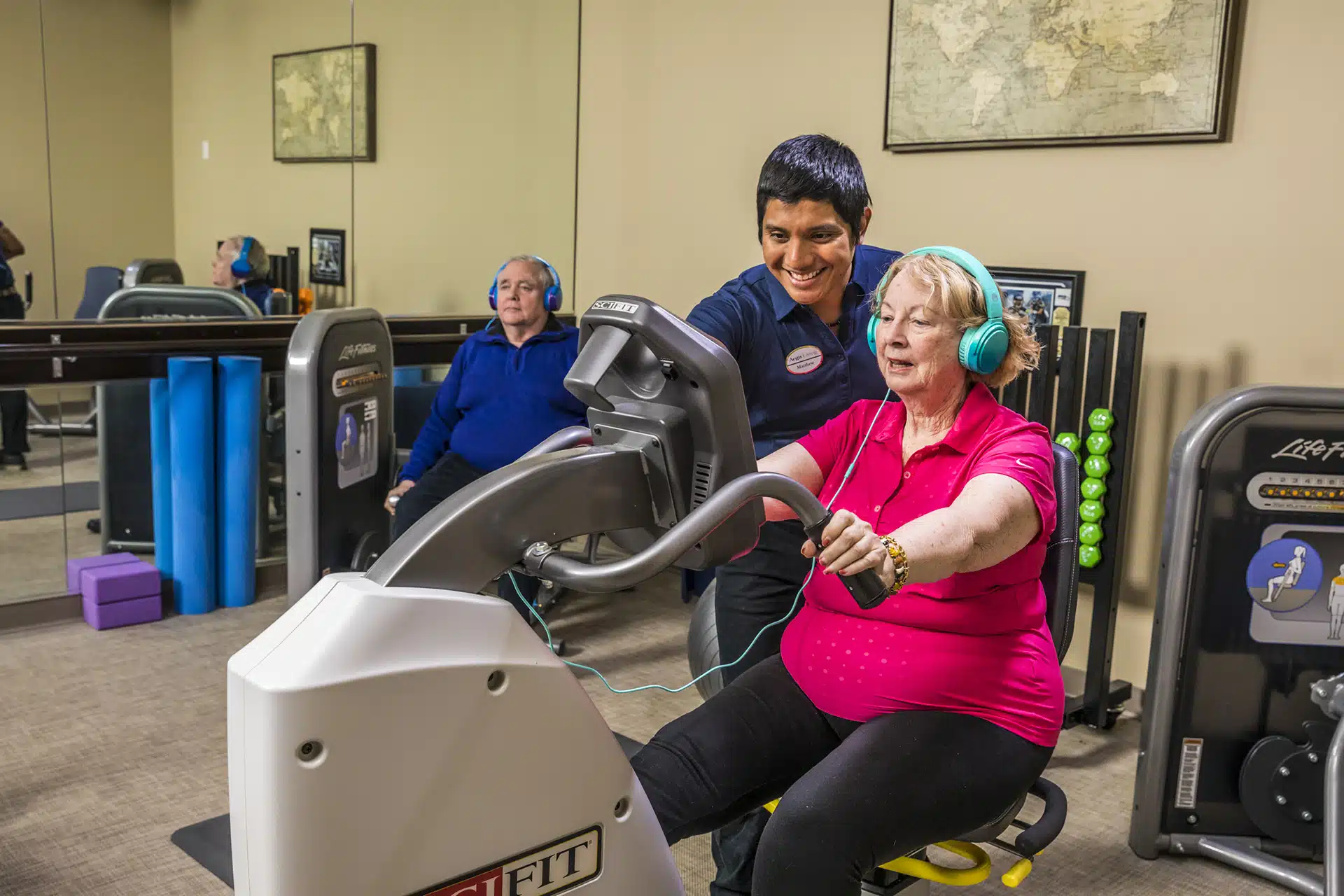
Respite Stays & Day Stays give family caregivers a real break—hours, days, or a few weeks—while your loved one enjoys a safe, enriching short‑term home at Aegis Living. Guests settle into a beautifully furnished private apartment and have 24/7 care staff and onsite nurses, medication management, and discreet safety technology (motion sensors, medical‑alert pendants, visitor check‑in) for peace of mind. Each day feels purposeful with chef‑prepared, all‑day dining and 200+ monthly activities—from book clubs and fitness classes to movie nights—plus full use of the community. We coordinate with your loved one’s physicians to mirror their routines and care, so the stay feels familiar. It’s also a smart trial run for senior living: meet neighbors, test services, and see what supported independence looks like—without a long‑term commitment. Choose a Respite Stay when you’re traveling or need time to recharge, when your loved one would benefit from structure, social connection, and great meals, or when you both want peace of mind while keeping options open.
Hospice & End‑of‑Life Care at Aegis Living is comfort‑first support for the final stage of life, delivered in your loved one’s private apartment by our 24/7 care team in coordination with a trusted local hospice provider you choose (or we can recommend). Together, we create a coordinated care plan that manages pain and other symptoms, oversees medications, and provides calm, dignified help with daily needs, while offering compassionate emotional support for both resident and family. Discreet safety measures and a reliable medical‑alert system bring help quickly; chef‑prepared, in‑apartment meals adapt to changing appetites. Families are guided through decisions and moments of closure so they can focus on being present in a peaceful, home‑like setting. If your loved one already lives at Aegis, they can remain in the comfort of their home, avoiding disruptive moves. Choose this level of care when curative treatment is no longer the goal and you want expert symptom control, hands‑on daily support, and a setting that protects dignity and prioritizes comfort, meaning, and time together.
Memory Care is specialized, secure support for people living with Alzheimer’s or other dementias who benefit from a calm, structured environment and round‑the‑clock expertise. At Aegis Living, that care happens in Life’s Neighborhood—an intimate, thoughtfully designed setting where 24/7 dementia‑trained caregivers and a nursing team on site seven days a week deliver personalized help with daily living, medication management, and mobility (including Hoyer lifts and two‑person transfers), while gently redirecting agitation and confusion. Days are purpose‑filled with science‑based cognitive programming, certified music therapy, and social activities; chef‑prepared meals are easy to enjoy and dining spaces and cues are designed for memory support. Discreet safety features like secured entrances, emergency pendants with fall detection, and optional motion sensors, prevent wandering and bring peace of mind, and visiting physicians and wellness professionals reduce trips off‑site. Families receive education and ongoing support. If your loved one is unsafe alone, missing medications, wandering, needs frequent cueing or hands‑on help with bathing or dressing, or thrives with a predictable routine, Memory Care offers the right level of care. For milder needs, our transitional Assisted Living can be a first step; for advancing symptoms, secured Memory Care provides the specialized, heartfelt support to help them feel calm, connected, and at home.