Beyond the Diagnosis: How Medications Can Help with Dementia Care
Learn how medications can support dementia care when non-drug therapies aren’t enough. Explore options, benefits, risks, and coordinated care approaches.

Caring for someone with dementia means navigating a world where simple conversations may no longer come easily. Words you’ve exchanged effortlessly for decades may suddenly feel out of reach—for both of you. You may find yourself repeating questions, guessing at needs, or feeling helpless in the face of your loved one’s frustration. This shift in communication can be heartbreaking, but it doesn’t have to break your connection.
When verbal pathways change, emotional connection and shared understanding can still thrive—if we learn to meet the person where they are. Communication isn’t just about talking. It’s about connecting, interpreting, and responding with grace.
Whether you’re new to caregiving or have been on this journey for years, these insights will help you communicate in ways that bring more peace to both you and your loved one.
Teepa Snow, a nationally recognized dementia educator, founder of the Positive Approach to Care®, and frequent speaker at Aegis Living events, offers three specific communication strategies that are both practical and powerful. Designed to minimize frustration and maximize connection, her tips offer guidance for some of the most difficult moments.
1. Check Your Own State First
“Your brain still works the way it always has. Theirs is changing. So, whose responsibility is it to adjust?” Teepa’s message is simple but profound: before you engage, check your state. Are you calm, grounded, and ready to respond with empathy? Or are you rushed, distracted, or emotionally charged?
If you enter a conversation anxious or frustrated, your loved one may absorb and mirror that energy. Taking a deep breath, grounding yourself, and entering the space with intention sets the tone for what follows.
2. Give a Visual Cue and Get Low
Before speaking, it’s important to establish a visual connection—but how you do this matters. Teepa Snow recommends first getting into the person’s visual field, pausing about six feet away to let them notice you, and then offering a friendly wave or raised hand near your face to signal your presence.
Equally important: get on their level. Standing over someone can feel threatening or overwhelming, especially to someone living with dementia. Instead, lower yourself so you’re eye to eye. This simple adjustment helps the person feel more at ease and in control, which can lead to better cooperation and a more positive interaction.
Once you’ve established this visual connection, then you can move into gentle verbal communication. Getting low is a small but powerful way to show respect, build trust, and reduce distress.
3. Use the VVT Method: Visual, Verbal, and Touch
This powerful three-step strategy helps caregivers build trust and support a person through transitions or tasks that may otherwise lead to resistance or confusion.
This VVT sequence allows your loved one to process information in layers, reducing the chance of being overwhelmed. It also honors their need for predictability and personal space—critical for maintaining dignity and reducing anxiety.
While Teepa’s tips provide a foundation, there are other caregiver-tested strategies that can make daily interactions smoother and more meaningful. These approaches reflect what many dementia caregivers have learned through experience and training—and they can help you feel more confident and connected as you navigate the day.
Speak Simply and Clearly
Use short, direct sentences. Give instructions one step at a time. For example, instead of saying, “It’s getting late, and we need to get ready for bed now,” try: “Let’s go to the bedroom.” Pause. “Now let’s brush your teeth.” Giving information in pieces helps the brain process one thing at a time.
Be Mindful of Tone and Volume
A warm, gentle tone often matters more than the words themselves. Speak slowly, not loudly. Avoid sounding impatient or rushed. If your loved one has hearing loss, face them directly and try lowering your pitch slightly—it’s often easier to hear.
Watch Your Body Language
Even when words fail, nonverbal communication continues. A smile, open posture, and soft movements help convey safety and care. Avoid sudden gestures or looming overhead. Instead, approach from the front and lower yourself to eye level to build comfort and trust.
Avoid Arguing or Correcting
If your loved one insists something untrue—“I have to go pick up the kids,” or “You’re not my daughter”—it’s rarely helpful to argue. Instead, validate their emotions and redirect gently. You might respond, “The kids are safe, and you’ve done such a great job taking care of them,” or “You’re someone I care about very much.” Truth matters less than comfort in these moments.
Offer Two Simple Choices
Too many decisions can be overwhelming. When offering options, keep it simple: “Would you like coffee or tea?” “Do you want to wear the blue shirt or the red one?” This gives a sense of autonomy while preventing confusion.
Create a Calm Environment
Noise, clutter, or chaos can interfere with focus. A quiet, well-lit, predictable space helps reduce agitation and supports clearer thinking. Whenever possible, limit distractions like background TV or overlapping conversations during care tasks.
“Even when words fail, connection doesn’t have to.”
Communicating with someone who has dementia isn’t just about getting through the day, it’s about preserving connection and dignity even as the disease progresses. Every moment of kindness, every gentle redirection, every time you pause to breathe before speaking—it all matters.
If you’ve had a tough day, you’re not alone. Caregiving is incredibly hard work, and the emotional toll can be heavy. But with practice, patience, and support, it’s possible to create moments of grace that uplift both of you.
You don’t have to be perfect. You just have to be present.
This blog is part of our Care & Support series for dementia caregivers. Each post offers practical tips and compassionate insights to help you care for your loved one—and yourself.




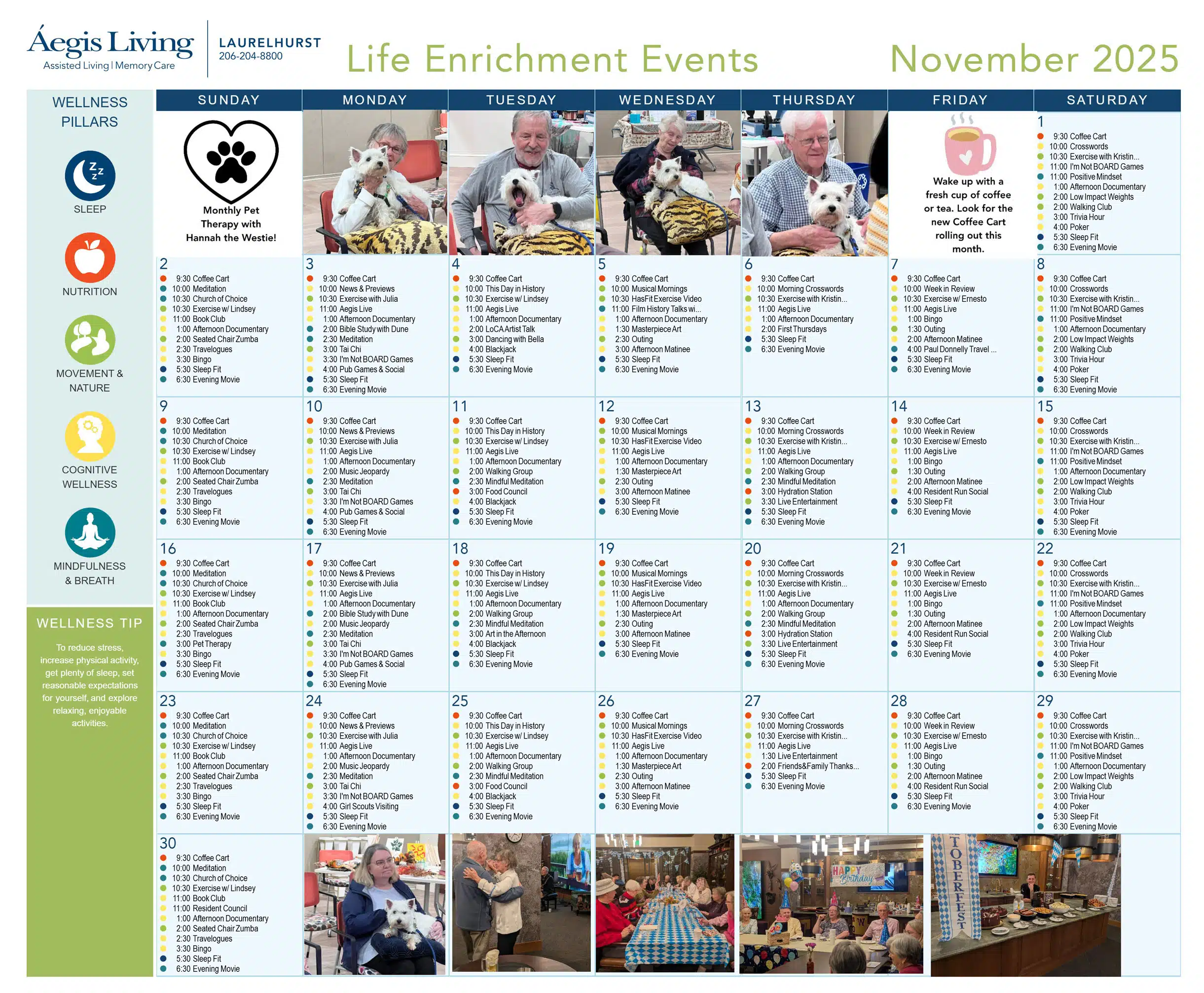
Respite Stays & Day Stays give family caregivers a real break—hours, days, or a few weeks—while your loved one enjoys a safe, enriching short‑term home at Aegis Living. Guests settle into a beautifully furnished private apartment and have 24/7 care staff and onsite nurses, medication management, and discreet safety technology (motion sensors, medical‑alert pendants, visitor check‑in) for peace of mind. Each day feels purposeful with chef‑prepared, all‑day dining and 200+ monthly activities—from book clubs and fitness classes to movie nights—plus full use of the community. We coordinate with your loved one’s physicians to mirror their routines and care, so the stay feels familiar. It’s also a smart trial run for senior living: meet neighbors, test services, and see what supported independence looks like—without a long‑term commitment. Choose a Respite Stay when you’re traveling or need time to recharge, when your loved one would benefit from structure, social connection, and great meals, or when you both want peace of mind while keeping options open.
Hospice & End‑of‑Life Care at Aegis Living is comfort‑first support for the final stage of life, delivered in your loved one’s private apartment by our 24/7 care team in coordination with a trusted local hospice provider you choose (or we can recommend). Together, we create a coordinated care plan that manages pain and other symptoms, oversees medications, and provides calm, dignified help with daily needs, while offering compassionate emotional support for both resident and family. Discreet safety measures and a reliable medical‑alert system bring help quickly; chef‑prepared, in‑apartment meals adapt to changing appetites. Families are guided through decisions and moments of closure so they can focus on being present in a peaceful, home‑like setting. If your loved one already lives at Aegis, they can remain in the comfort of their home, avoiding disruptive moves. Choose this level of care when curative treatment is no longer the goal and you want expert symptom control, hands‑on daily support, and a setting that protects dignity and prioritizes comfort, meaning, and time together.
Memory Care is specialized, secure support for people living with Alzheimer’s or other dementias who benefit from a calm, structured environment and round‑the‑clock expertise. At Aegis Living, that care happens in Life’s Neighborhood—an intimate, thoughtfully designed setting where 24/7 dementia‑trained caregivers and a nursing team on site seven days a week deliver personalized help with daily living, medication management, and mobility (including Hoyer lifts and two‑person transfers), while gently redirecting agitation and confusion. Days are purpose‑filled with science‑based cognitive programming, certified music therapy, and social activities; chef‑prepared meals are easy to enjoy and dining spaces and cues are designed for memory support. Discreet safety features like secured entrances, emergency pendants with fall detection, and optional motion sensors, prevent wandering and bring peace of mind, and visiting physicians and wellness professionals reduce trips off‑site. Families receive education and ongoing support. If your loved one is unsafe alone, missing medications, wandering, needs frequent cueing or hands‑on help with bathing or dressing, or thrives with a predictable routine, Memory Care offers the right level of care. For milder needs, our transitional Assisted Living can be a first step; for advancing symptoms, secured Memory Care provides the specialized, heartfelt support to help them feel calm, connected, and at home.