
Is It Just a Senior Moment—or Something More?
Not all memory loss is dementia. Learn how to tell the difference between normal age-related forgetfulness and when it may be time to speak with a doctor. Includes checklist and…

When a loved one begins forgetting names, getting lost in conversation, or showing changes in personality, it’s natural to worry. Is this the start of dementia?
But before you panic, it’s important to know that not all cognitive decline is caused by dementia. There are other common—and often treatable—conditions that can cause memory loss, confusion, or difficulty concentrating. Knowing what else it could be might not just ease your worry—it might also point you toward a solution.
Here are eight medical conditions that can resemble dementia, but which may be reversible with proper care and attention.
1. Medication Side Effects
Medications are a common but underrecognized cause of cognitive changes in older adults. Drugs with anticholinergic properties (like some antidepressants, bladder medications, and allergy medications), sedatives, and pain medications can all interfere with brain function.
Older adults metabolize medications differently, and side effects like confusion, forgetfulness, or hallucinations can easily mimic dementia. A comprehensive medication review—especially after a new prescription or dosage change—is an essential first step when mental decline seems sudden.
2. Urinary Tract Infections (UTIs)
In seniors, a urinary tract infection doesn’t always cause the expected symptoms like pain or fever. Instead, it can result in sudden confusion, agitation, or unusual behavior. This phenomenon, often called “atypical UTI presentation,” is particularly common in older adults with underlying health conditions.
Fortunately, UTIs are highly treatable with antibiotics, and mental clarity often returns quickly once the infection is addressed. If a loved one suddenly seems “off,” a UTI test should be high on the list of things to rule out.
3. Depression (Pseudodementia)
Sometimes referred to as pseudodementia, depression can mimic many of the symptoms of dementia: forgetfulness, lack of concentration, disinterest in daily activities, and even slowed speech.
Unlike dementia, which is progressive, pseudodementia is usually treatable with therapy, medication, or both. Because emotional changes can be subtle or masked by physical symptoms, a mental health screening should always be part of a cognitive workup.
4. Sleep Disorders (e.g., Sleep Apnea)
Quality sleep is vital for memory, focus, and emotional regulation. Disorders like sleep apnea, which causes repeated breathing interruptions at night, can severely disrupt cognitive function.
Symptoms like daytime confusion, memory problems, irritability, and reduced alertness are all common in individuals with undiagnosed sleep apnea. Sleep studies and treatments like CPAP therapy can drastically improve brain function and overall well-being.
5. Vitamin Deficiencies (B12, Thiamine)
Vitamin deficiencies—particularly vitamin B12 and thiamine (B1)—can lead to neurological symptoms that resemble dementia. These include memory loss, difficulty walking, mood changes, and even hallucinations.
Older adults are at higher risk for these deficiencies due to reduced absorption or dietary limitations. The good news: blood tests can confirm a diagnosis, and proper supplementation can reverse symptoms in many cases.
6. Thyroid Disorders
Your thyroid plays a crucial role in regulating mood, energy, and brain function. Hypothyroidism, in particular, can cause fatigue, memory lapses, and slowed thinking, which may be mistaken for early dementia.
A simple blood test can reveal thyroid dysfunction, and appropriate medication usually restores hormone levels—and cognitive function—within weeks.
7. Normal Pressure Hydrocephalus (NPH)
Normal Pressure Hydrocephalus is caused by a buildup of fluid in the brain’s ventricles. Its symptoms—gait disturbances, urinary incontinence, and cognitive decline—often mimic conditions like Alzheimer’s or Parkinson’s disease.
NPH is one of the few potentially reversible causes of dementia-like symptoms. Diagnosis usually involves brain imaging, and in many cases, a surgically implanted shunt can relieve pressure and significantly improve both mobility and cognition.
8. Hearing Loss
Hearing loss is more than just an inconvenience—it can have a profound impact on cognition and behavior, especially in older adults. When someone struggles to hear clearly, the brain works harder to decode sounds, leaving fewer mental resources for memory, focus, and decision-making. Over time, this strain can lead to confusion, difficulty following conversations, social withdrawal, and irritability—all symptoms that can be mistaken for early dementia.
In many cases, these behaviors are not signs of cognitive decline but rather the result of untreated hearing impairment. Fortunately, hearing loss is highly treatable. Hearing aids and assistive devices can restore clarity, reduce mental fatigue, and improve quality of life—sometimes dramatically.
While hearing loss is also being studied as a long-term risk factor for developing dementia, in the context of this article, it’s important to know that it can mimic dementia symptoms in the short term—and it’s one of the easiest issues to evaluate and address.
When Should You Be Concerned?
It’s natural to worry when someone you love starts to change. But not every case of forgetfulness, mood shift, or confusion means dementia. Sometimes, the issue is medical, temporary, or completely treatable.
That said, if symptoms persist, worsen, or interfere with daily life, it’s time to consult a healthcare provider. A full evaluation—often including a neurological exam, bloodwork, imaging, and mental health screening—can help determine the true cause and point the way forward.
You’re Not Alone
Seeing someone you love struggle with memory or behavior changes can be frightening. But it’s important to remember: not all cognitive changes mean dementia, and many have a hopeful path forward.
At Aegis Living, we understand the emotional weight of these moments. Whether your loved one is in the early stages of cognitive change or facing a confirmed diagnosis, we’re here to offer insight, support, and care tailored to each unique situation.
Our expert nurses can help answer more questions you have about caring for a senior with dementia-like symptoms. Contact your local Aegis Living community and ask to speak to one of our nurses for advice and referrals.
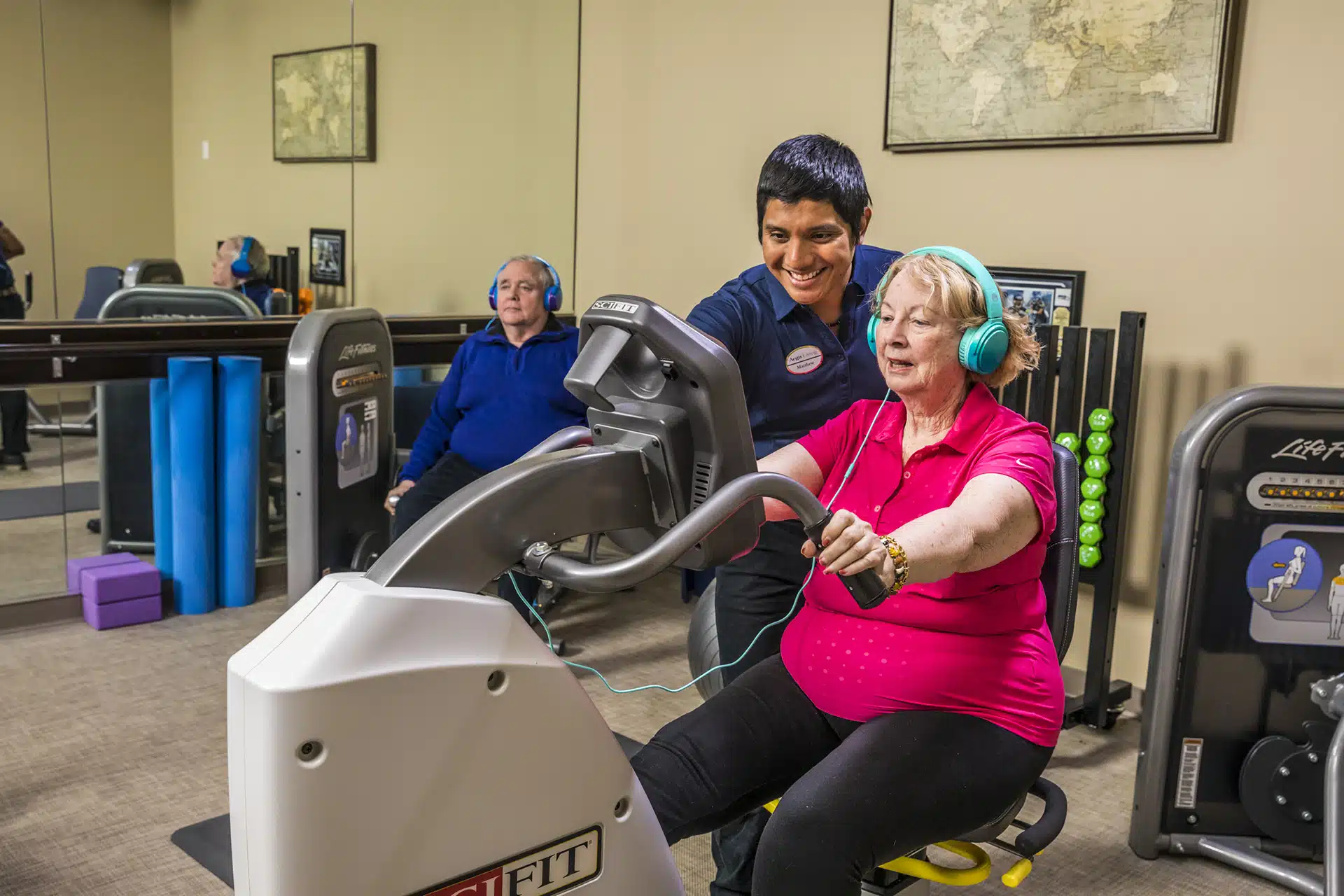




Respite Stays & Day Stays give family caregivers a real break—hours, days, or a few weeks—while your loved one enjoys a safe, enriching short‑term home at Aegis Living. Guests settle into a beautifully furnished private apartment and have 24/7 care staff and onsite nurses, medication management, and discreet safety technology (motion sensors, medical‑alert pendants, visitor check‑in) for peace of mind. Each day feels purposeful with chef‑prepared, all‑day dining and 200+ monthly activities—from book clubs and fitness classes to movie nights—plus full use of the community. We coordinate with your loved one’s physicians to mirror their routines and care, so the stay feels familiar. It’s also a smart trial run for senior living: meet neighbors, test services, and see what supported independence looks like—without a long‑term commitment. Choose a Respite Stay when you’re traveling or need time to recharge, when your loved one would benefit from structure, social connection, and great meals, or when you both want peace of mind while keeping options open.
Hospice & End‑of‑Life Care at Aegis Living is comfort‑first support for the final stage of life, delivered in your loved one’s private apartment by our 24/7 care team in coordination with a trusted local hospice provider you choose (or we can recommend). Together, we create a coordinated care plan that manages pain and other symptoms, oversees medications, and provides calm, dignified help with daily needs, while offering compassionate emotional support for both resident and family. Discreet safety measures and a reliable medical‑alert system bring help quickly; chef‑prepared, in‑apartment meals adapt to changing appetites. Families are guided through decisions and moments of closure so they can focus on being present in a peaceful, home‑like setting. If your loved one already lives at Aegis, they can remain in the comfort of their home, avoiding disruptive moves. Choose this level of care when curative treatment is no longer the goal and you want expert symptom control, hands‑on daily support, and a setting that protects dignity and prioritizes comfort, meaning, and time together.
Memory Care is specialized, secure support for people living with Alzheimer’s or other dementias who benefit from a calm, structured environment and round‑the‑clock expertise. At Aegis Living, that care happens in Life’s Neighborhood—an intimate, thoughtfully designed setting where 24/7 dementia‑trained caregivers and a nursing team on site seven days a week deliver personalized help with daily living, medication management, and mobility (including Hoyer lifts and two‑person transfers), while gently redirecting agitation and confusion. Days are purpose‑filled with science‑based cognitive programming, certified music therapy, and social activities; chef‑prepared meals are easy to enjoy and dining spaces and cues are designed for memory support. Discreet safety features like secured entrances, emergency pendants with fall detection, and optional motion sensors, prevent wandering and bring peace of mind, and visiting physicians and wellness professionals reduce trips off‑site. Families receive education and ongoing support. If your loved one is unsafe alone, missing medications, wandering, needs frequent cueing or hands‑on help with bathing or dressing, or thrives with a predictable routine, Memory Care offers the right level of care. For milder needs, our transitional Assisted Living can be a first step; for advancing symptoms, secured Memory Care provides the specialized, heartfelt support to help them feel calm, connected, and at home.