
Senior housing options: a clear guide for families
Every brochure claims to offer the best senior housing, so how do you tell which setting actually matches your parent's day-to-day needs? Use this breakdown to match the right level of care to your family's situation, then know exactly what to ask on a tour.
Read article →Transitional care: a gentle bridge to memory care today
Transitional care lets a parent or loved one with mild memory loss stay in assisted living while getting extra support, before any move to memory care.
Read article →
Signs Your Parent May Need Demential Care: A Family Guide
The clearest signs aren't memory slips—they're changes in safety, judgment, and daily function. Here's how to know when it's time.
Read article →
Are anxiety medications linked to Alzheimer’s?
Discover how certain medications may increase dementia risk and how aging changes drug processing. Learn alternative options from Áegis Living.
Read article →
Understanding and Managing Repetitive Behaviors in Dementia
Explore compassionate strategies to manage repetitive behaviors in loved ones with dementia. Learn how understanding and empathy can transform caregiving experiences.
Read article →
How to Talk to Someone With Dementia: A Caregiver's Guide
Expert-backed ways to talk with a loved one who has dementia, including Teepa Snow's VVT method, validation, and calm redirection.
Read article →
Understanding and Easing Sundowning in Dementia Care
Learn what sundowning is, why it happens, and how caregivers can respond with empathy and structure. Explore practical strategies and discover how Áegis Living supports residents through thoughtful approaches like light therapy.
Read article →
Routines: How Structure Supports People Living with Dementia
Learn how daily routines support people living with dementia, with practical tips and a sample schedule to encourage comfort, confidence, and connection.
Read article →
Making the Move to Memory Care: Guidance for Families
Get guidance for moving a loved one to memory care, from compassionate conversations and handling resistance to easing relocation stress and settling in.
Read article →
7 Signs It's Time for Long-Term Memory Care
Seven concrete signs - from medication mix-ups to wandering - that show when a loved one with memory loss needs long-term care.
Read article →
What Is Vascular Dementia? Causes, Symptoms & Care
Vascular dementia is caused by reduced blood flow to the brain. Learn symptoms, stages, treatment options, and how it differs from Alzheimer's.
Read article →
Understanding Dementia: A Family Guide to Types & Care
A clear, compassionate guide to what dementia is, how it's diagnosed, and the most common types families encounter.
Read article →
Understanding Alzheimer's: Signs, Stages, and Care Options
A clear guide to Alzheimer's disease: what it is, how it progresses, treatment options, and how to support a loved one at every stage.
Read article →
Protecting Your Brain: Lifestyle Changes That May Prevent Dementia
Explore lifestyle changes that may lower dementia risk, including exercise, brain-friendly foods, quality sleep, hearing care, and staying socially active.
Read article →
Meaningful Care Without Medication: Holistic Approaches to Dementia
Explore non-drug approaches to dementia care, from music and cognitive stimulation to movement and sensory activities that support comfort and connection.
Read article →
Is It Just a Senior Moment - or Something More Like Dementia?
Learn how normal age-related forgetfulness differs from dementia, which warning signs to watch for, and when to talk with a doctor about memory changes.
Read article →
The 7 Stages of Dementia: What to Expect at Each Step
A clear, stage-by-stage guide to how dementia progresses and how families can plan compassionate care at every step.
Read article →
Could It Be Dementia? Cognitive, Behavioral, and Early Clues
Learn the early signs of dementia, from memory and thinking changes to shifts in mood and behavior, and how early recognition can help families plan care.
Read article →
Beyond the Diagnosis: How Medications Can Help with Dementia Care
Explore how medications can support dementia care, including treatment options, potential benefits and risks, and the value of a coordinated care team.
Read article →
8 Conditions That Mimic Dementia (And Are Often Treatable)
Not all memory loss is dementia. Here are 8 treatable conditions that mimic dementia symptoms in older adults, and how to tell them apart.
Read article →
How do springtime routines affect a senior with Alzheimer's?
Practical ways to help a loved one stay comfortable as longer days, changing light, and spring activities reshape familiar routines.
Read article →
Sundowning in Dementia: 4 Ways to Calm Evening Agitation
Learn what sundowning in dementia is, why evening agitation happens, and four practical ways caregivers can provide calm, supportive care.
Read article →
Caring for a parent with Alzheimer's related behavioral changes
Learn how to respond to Alzheimer’s behavior changes with calm, redirection, safety tips, and caregiver support from Aegis Living.
Read article →
Vascular Dementia: Symptoms, Causes & Treatment
Vascular dementia is cognitive decline from reduced blood flow to the brain. Learn symptoms, causes, treatment, and when memory care helps.
Read article →
Understanding the Difference Between Alzheimer’s and Dementia
What is the difference between Alzheimers and dementia? Learn the key definitions, symptoms, and treatment plans in this guide from Áegis Living.
Read article →
What is Sundowning? And why does it occur?
Do you notice a significant change in your dad’s behavior close to dinnertime?
Read article →
Understanding Dementia Denial: Guidance for Families
Denial may be an understandable response to difficult changes, but awareness and support can help families plan for a loved one’s evolving needs.
Read article →
8 Science-Backed Ways to Reduce Your Alzheimer's Risk
Eight evidence-based habits, from the MIND diet to sleep, exercise, and social connection, that can help lower your Alzheimer's risk.
Read article →
10 Early Signs of Dementia Families May Notice First
Recognizing changes in memory, communication, judgment, mood, and daily routines can help families seek guidance and support sooner.
Read article →
Do’s and Don’ts for Visiting Your Loved One with Dementia
Visiting a loved one with dementia may present interesting challenges. Depending on what stage they are in their dementia diagnosis, a good day can be a joyful reminder of the loved one you’ve always known, while a bad day can be discouraging. It is important to visit a parent…
Read article →
Understanding the Most Common Types of Dementia Today
Learn about the most common types of dementia, their symptoms, and ways families can support loved ones with compassionate care.
Read article →
Managing the Frustrations of Dementia Caregiving Today
Understanding common triggers and responding with patience, flexibility, and support can help caregivers navigate difficult moments.
Read article →
From Transitional Care to Memory Care
If your parent is showing mild or early signs of dementia, do they need to move into memory care?
Read article →
Early Signs of Dementia: 10 Symptoms Families Notice First
The earliest signs of dementia are subtle - repeated questions, missed bills, trouble following a recipe. Here's what to watch for and when to act.
Read article →
Does Alcohol Cause Dementia? What Families Should Know
Heavy drinking can trigger alcohol-related dementia in seniors. Learn the signs, diagnosis, and why early intervention often reverses symptoms.
Read article →
Dementia Whisperer: Understanding Transition Trauma
A move to unfamiliar surroundings can be disorienting, but thoughtful preparation and consistent support may help ease the adjustment.
Read article →
Dementia Whisperer: Understanding Denial as a Response
Denial can offer temporary emotional protection, but recognizing it may help caregivers respond to changing needs with greater clarity.
Read article →
Memory Care: Finding Safe, Specialized Dementia Support
With senior housing demand skyrocketing, discover why professional memory care is a vital long-term care solution for parents with Alzheimer's.
Read article →
Managing Repetitive Behaviors in a Parent with Dementia
Caring for a parent with Alzheimer's? Learn why repetitive behavior happens in dementia and get 4 practical tips to help reduce caregiver stress.
Read article →
Áegis Living Brain Health Minute with Teepa Snow #3 of 3
Improve senior care and your own brain health with part 3 of our series. Teepa Snow explains how to manage caregiver stress and avoid burnout.
Read article →
Áegis Living Brain Health Minute: Teepa Snow #1 of 3
Learn to spot early dementia signs and support brain health in part two of our series with Teepa Snow and Áegis Living. Discover crucial symptoms.
Read article →
Sundowning: Tips for Managing Difficult Behavior in the Evening
Is your parent with dementia experiencing behavioral changes in the evening? Discover what sundowning is and how the fading light triggers confusion.
Read article →
Holiday Travel for People with Dementia
Plan safe holiday travel with a loved one living with dementia. Discover 9 essential tips from Áegis Living for routine, pacing, and respite options.
Read article →
How to Encourage Healthy Eating in Dementia: 10 Tips
Manage dementia weight loss and improve nutrition. Explore 10 caregiver tips from Áegis Living to simplify meals and encourage healthy eating.
Read article →
Early Signs of Dementia Families Should Know and Notice
Subtle changes in familiar routines, judgment, or personality may be worth discussing with a qualified healthcare professional.
Read article →
How a Daily Routine Can Support People with Dementia
Predictable daily rhythms can offer reassurance, reduce decision fatigue, and help caregivers plan meaningful activities and rest.
Read article →
Meditation for Better Brain Health and Aging Wellness
Discover how meditation may support brain health, reduce stress, and promote mindful wellness for older adults and their families.
Read article →
Dementia Dressing Tips: Help a Parent Stay Independent
Small changes to clothing, closets, and caregiver cues can reduce morning frustration while preserving a loved one’s dignity and sense of control.
Read article →
Dementia: Keeping the Holiday Season Merry and Bright
Familiar traditions, music, stories, and sensory experiences can create meaningful moments while honoring a loved one’s changing needs.
Read article →
Dementia: 8 Tips for Celebrating Holidays Together
Flexible plans, familiar traditions, and realistic expectations can help families reduce stress and preserve meaningful seasonal connection.
Read article →
4 Ways to Support a Friend Whose Spouse has Dementia
The spouse of someone living with dementia is experiencing not only the pressure of caring for a loved one, but also their own personal loss and sadness. This profound change in their relationship can be difficult and overwhelming for the couple. Many caregiving spouses don’t…
Read article →
A Caregiver’s Guide to Better Dementia Communication
Patient, respectful communication can reduce frustration, strengthen connection, and help caregivers respond to changing cognitive abilities.
Read article →
Dementia Wandering: How to Prevent It and Keep Your Loved One Safe
Why people with dementia wander, how to secure your home, and the exact steps to take if your loved one goes missing.
Read article →
Planning Ahead for Dementia Care: A Practical Family Guide
Learn how families can plan ahead for dementia care with practical guidance on routines, support, safety, and future needs.
Read article →
The powerful impact of music on memory care
As you search for the best community for your loved one who requires senior living or Alzheimer’s care, be sure to seek out memory care. Memory care involves many techniques that can keep your loved one happier and healthier. Even when our cognitive faculties begin to go, we…
Read article →
The link between Alzheimer’s and cardiovascular disease
Increasingly, researchers are finding a correlation between that what is good for the heart, is also good for the brain. Good blood flow to the grey matter is essential for the function and wellness of brain cells. With each heartbeat, about 25% of the blood is delivered to the…
Read article →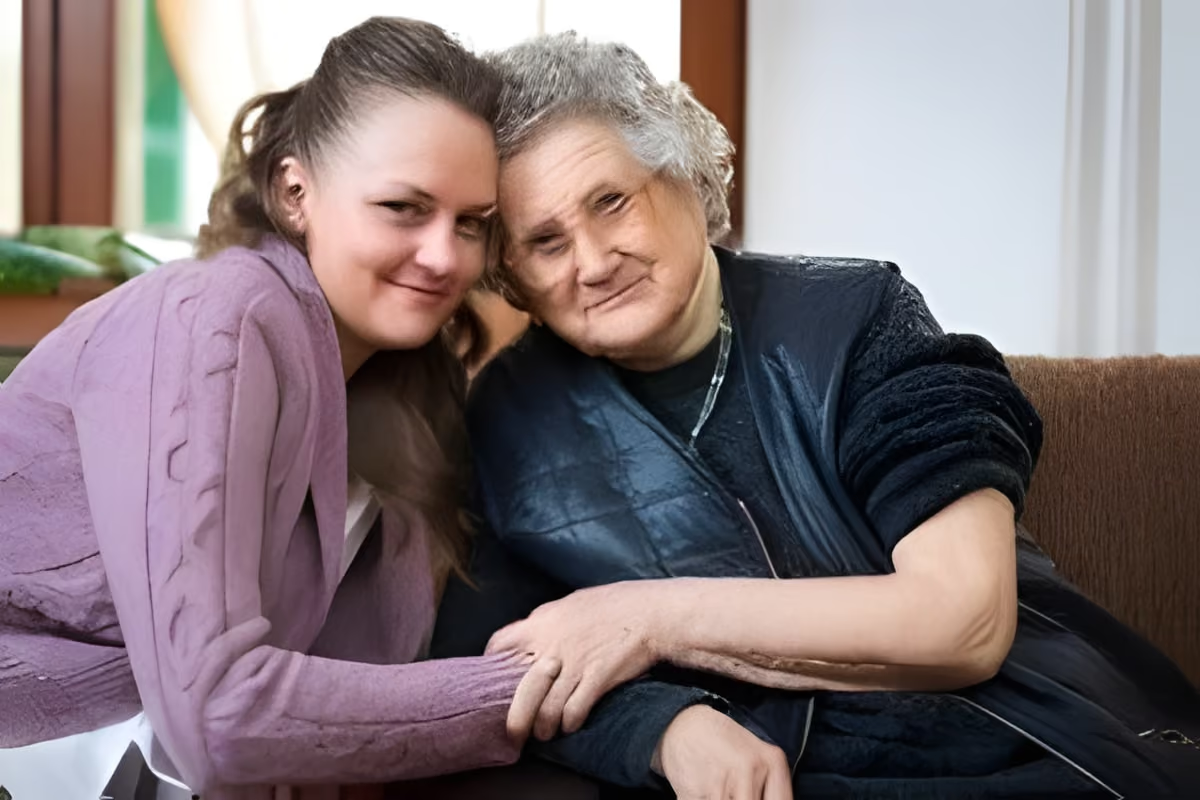
How Socializing Can Support Better Brain Function Today
Meaningful conversation and shared activities can encourage connection, engagement, and emotional well-being throughout later life.
Read article →
Finding Peace in Life’s Haven Through Snoezelen Therapy
A thoughtfully designed sensory environment may encourage calm, engagement, and meaningful moments for people living with memory loss.
Read article →
How Still Alice Raised Awareness of Alzheimer's Disease
The acclaimed story helped bring wider attention to early-onset Alzheimer's and the emotional realities faced by individuals and their families.
Read article →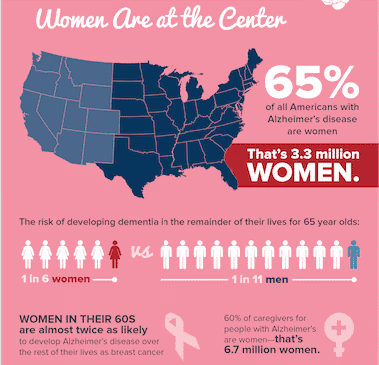
Alzheimer's Disease: Is It More Common in Women or Men?
A closer look at genetic and hormonal factors, caregiving realities, and healthy habits that may help women support long-term brain health.
Read article →
How Doctors and Specialists Test for and Diagnose Alzheimer's
From cognitive screens to PET scans and new blood biomarkers, here's how doctors test for Alzheimer's and what families should expect.
Read article →
Providing Compassionate Care for a Parent with Dementia
Patience, flexibility, and respectful communication can help caregivers support changing needs while preserving dignity and connection.
Read article →
The 7 Stages of Dementia: Symptoms & Timeline
A plain-English guide to the 7 stages of dementia - symptoms, duration, and what caregivers should plan for at each stage.
Read article →
How to Talk with Children About a Loved One's Dementia
Clear, age-appropriate explanations can help children understand changes, express feelings, and stay connected with a loved one.
Read article →
Where to get dementia caregiver training and resources
Caring for a parent with dementia? Discover top training programs, helpful books, and online resources designed to support family caregivers.
Read article →
How to Help a Parent Who Is Experiencing Dementia Today
Recognizing changing needs and responding with patience, structure, and informed support can help families navigate dementia care.
Read article →
5 Early Signs of Dementia Families Should Recognize
Recognizing changes early can help families seek professional guidance and make thoughtful plans for an aging loved one’s support.
Read article →